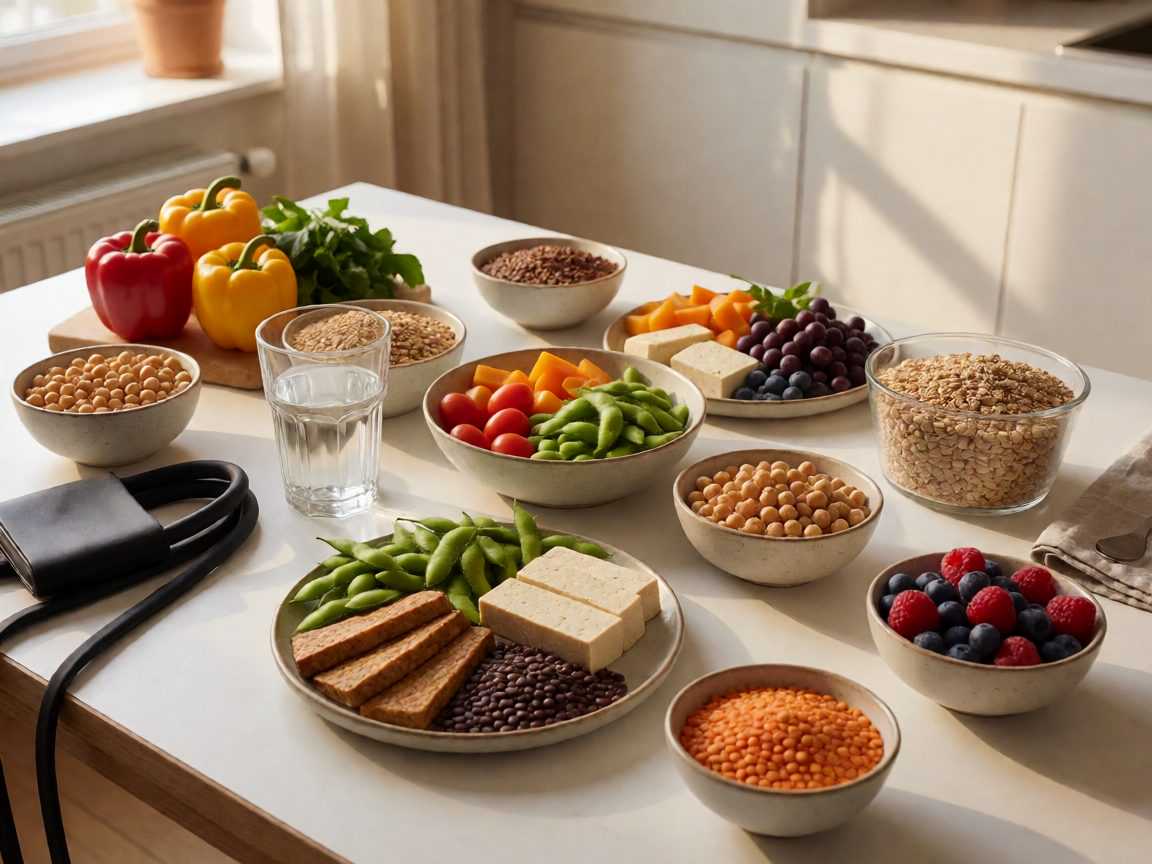
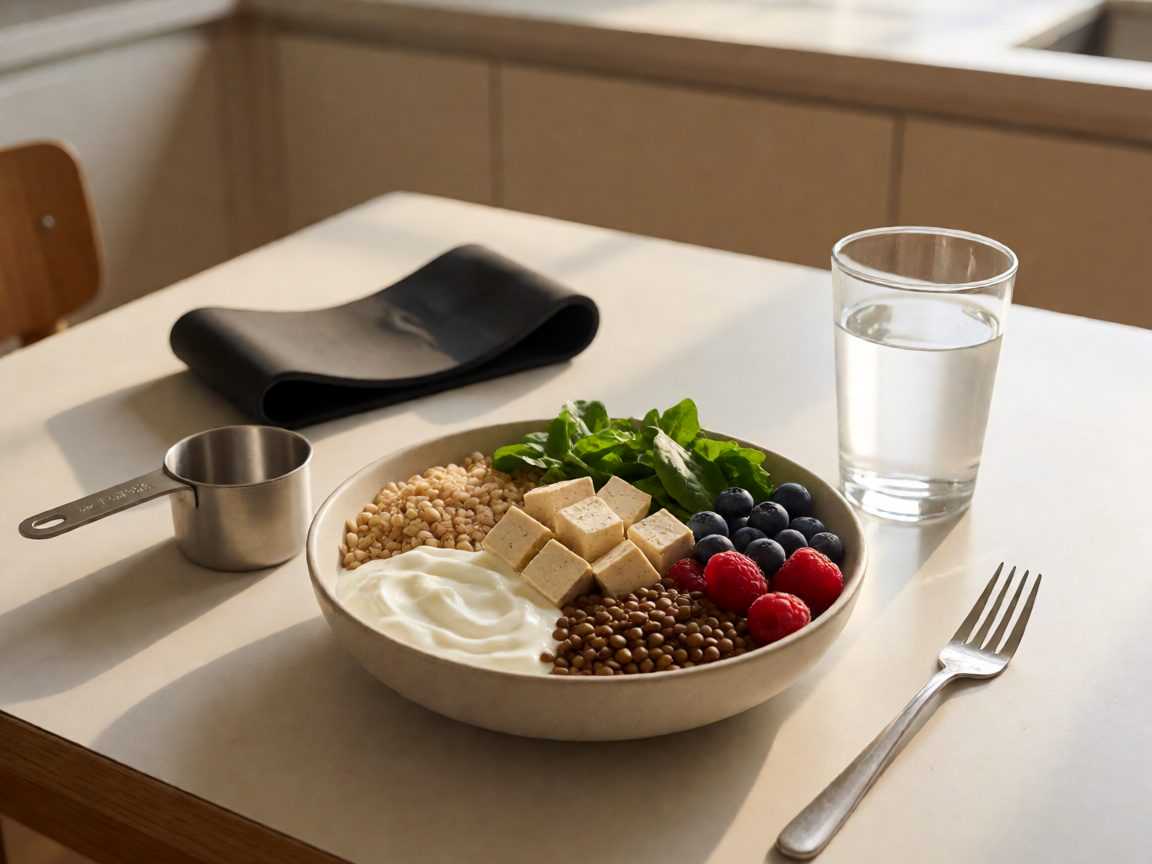
Quick answer: The best work lunches for vegetarians on Ozempic are small, balanced meals built from a comfortable protein source, a moderate carbohydrate, cooked or fresh produce, and a drink. Prepare two or three mix-and-match components instead of one oversized meal, keep sauces separate, and pack a gentle backup for days when appetite or digestion changes.
A work lunch has to do more than look nutritious. It needs to survive a commute, fit in a refrigerator, reheat well, and remain appealing when meetings run late. For a vegetarian using Ozempic, the meal also needs to be flexible enough for earlier fullness, nausea, constipation, or a lower appetite. The practical goal is not a special prescription diet. It is a repeatable lunch structure that helps you make a reasonable choice on an ordinary workday.
This guide is for general nutrition education. Ozempic is a prescription medicine, and your health history, diabetes treatment, allergies, kidney health, activity level, and symptoms all affect what is appropriate. Do not change your medication plan or treat these meal ideas as individualized medical advice.
What makes a vegetarian work lunch practical on Ozempic?
The current FDA Ozempic prescribing information lists gastrointestinal reactions such as nausea, vomiting, diarrhea, abdominal pain, and constipation. It also discusses dehydration-related kidney risks when gastrointestinal symptoms continue. A large, greasy, very spicy, or highly concentrated lunch may be difficult to tolerate for some people, especially when eaten quickly. That does not mean every person needs bland food or tiny meals. It means your lunch should be easy to portion, pause, adapt, and replace.
The National Institute on Aging’s meal-planning guidance includes beans, peas, lentils, dairy, fortified soy foods, fruits, vegetables, and water as useful parts of a varied eating pattern. For vegetarians, these foods make it possible to build a lunch with protein and fiber without relying on one ingredient every day. Use the food groups as a menu of options rather than a checklist you must complete at every sitting.
The four-part lunch formula
1. Choose a vegetarian protein anchor
Start with a protein food that is easy to prepare and comfortable to eat. Options include tofu, tempeh, edamame, lentils, beans, eggs, Greek yogurt, cottage cheese, cheese, and fortified soy foods. You can use a combination across the week rather than trying to make one lunch meet every nutrition goal.
For example, a tofu bowl can use baked tofu and edamame; a lentil soup can be paired with yogurt or cheese if that fits your diet; an egg lunch can include beans or a side of edamame. If you buy plant-based meat alternatives, read the label for protein, sodium, saturated fat, fiber, and serving size. Products vary, so do not assume that every vegetarian substitute is nutritionally similar.
2. Add a manageable carbohydrate
Rice, potatoes, quinoa, oats, whole-grain bread, corn tortillas, fruit, and whole-grain crackers can make lunch more satisfying and easier to adapt to activity. Use a portion that feels realistic for your appetite. A meal does not become more balanced simply because the container is full.
Keep the carbohydrate separate when possible. You might eat tofu with rice one day, put the same tofu in a wrap another day, or serve it with potatoes when a softer texture is more appealing. If you manage diabetes or use other glucose-lowering medicines, ask your clinical team how carbohydrate portions should fit your plan.
3. Include produce or gentle fiber
Choose fruit, cooked vegetables, a small salad, soup vegetables, or a bean portion that you tolerate. Fiber can be useful, but adding a large amount suddenly may worsen bloating or constipation. If raw vegetables are uncomfortable, use roasted carrots, zucchini, squash, cooked greens, or a blended soup. Increase fiber gradually and keep fluids available.
For more ideas, review the daily fiber guide for GLP-1 users and the high-fiber foods guide. These resources can help you think about gradual changes without turning a single lunch into a target you must force.
4. Keep a fluid and texture backup
Pack water or another drink that fits your medical guidance. If your lunch feels too filling, you may prefer a softer texture, a smaller portion, or a meal divided into two occasions. A backup can be plain yogurt, applesauce, crackers, toast, a mild soup, or another familiar food you have previously tolerated.
Five work-lunch combinations to prep
Tofu and edamame grain bowl
Pack baked tofu, a modest serving of rice or quinoa, edamame, and cooked vegetables. Keep a light sauce or dressing in a separate container. If a full bowl feels too large, eat the tofu and vegetables first, then decide whether you want the grain portion.
Lentil soup with a simple side
Make a lentil and vegetable soup, then pair it with whole-grain toast, fruit, or yogurt. Soup can be easier to eat slowly than a dry meal. If beans or lentils cause discomfort, use a smaller portion and choose a different protein at the next meal.
Egg and potato lunch box
Use boiled eggs, roasted potatoes, cooked greens, and fruit. Add yogurt or a small amount of cheese if it fits your eating pattern. Keep salt and rich sauces moderate, especially if you are already feeling bloated or thirsty.
Greek yogurt and oat lunch
Combine plain Greek yogurt, oats, berries, and seeds in a cooler-friendly container. Add nut butter separately so you can control the amount. This can work as a lunch on a low-appetite day or as one part of a split lunch.
Bean and hummus wrap
Use a whole-grain wrap with mashed beans, hummus, cooked vegetables, and a small amount of cheese or tofu. Roll it tightly and pack fruit on the side. If a wrap feels too dense, serve the fillings as a bowl with crackers instead.
How to prep lunches without making every day identical
Choose two proteins, two vegetables, one or two carbohydrates, and two sauces each week. Cook or portion the ingredients in one session, then assemble different combinations. For instance, lentils can become soup, a grain bowl, or a small salad topping. Tofu can be paired with rice, placed in a wrap, or added to a broth-based meal.
Use smaller containers when a large lunch is discouraging. Pack an extra component separately rather than making every container oversized. This also helps when your schedule changes. A lunch can become two smaller eating occasions, or one component can be saved for the next day.
Label the date, refrigerate foods that require refrigeration, cool cooked food promptly, and use an insulated lunch bag with cold packs when necessary. Keep sauces, herbs, and crunchy toppings separate for better texture. Reheat only the portion you plan to eat.
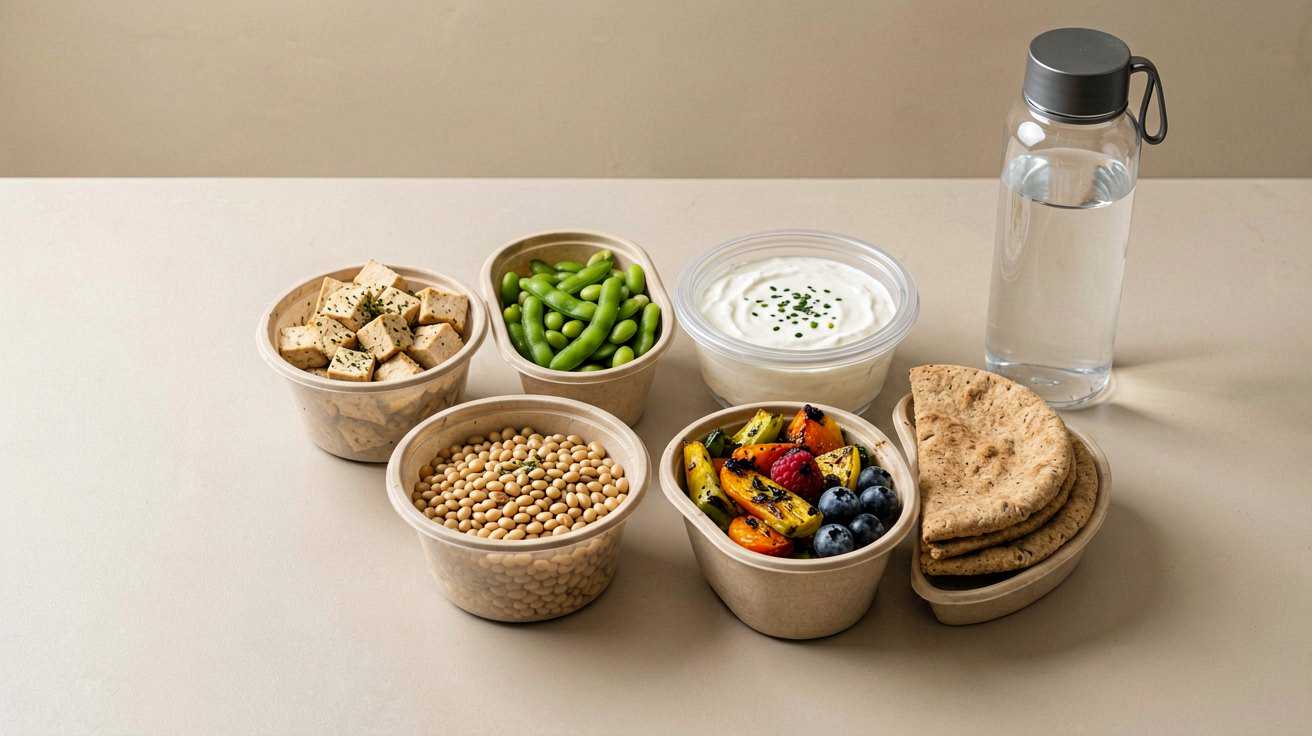
Vegetarian substitutions and office-day alternatives
If you eat dairy and eggs
Use Greek yogurt, cottage cheese, eggs, cheese, tofu, beans, and lentils in rotation. Dairy can add protein and calcium, while beans and lentils add plant protein and fiber. Choose the combination that fits your appetite and dietary preferences.
If you are vegan
Use tofu, tempeh, edamame, beans, lentils, hummus, nuts, seeds, and fortified soy products. Check labels for protein, calcium, vitamin B12, vitamin D, added sugar, and sodium because fortified products differ. A registered dietitian can help if your food choices are very limited.
If there is no refrigerator or microwave
Pack a shelf-stable meal such as a nut-butter sandwich, roasted chickpeas with crackers, a sealed lentil pouch, fruit, or a protein bar you already tolerate. A supermarket may offer yogurt, eggs, cheese, fruit, hummus, edamame, or a simple sandwich. Select a smaller portion and keep a mild backup rather than waiting until you are extremely hungry.
These same ideas can support travel snacks for vegans on Ozempic. Separate the protein, carbohydrate, and produce so you can adjust the combination during a busy day.
What to do when appetite or symptoms change
If you feel full early, slow down and stop when you are comfortably satisfied. You do not need to finish a container simply because it was packed. If a meal feels too rich, try a milder food you have tolerated before, such as soup, yogurt, toast, or fruit. If constipation is persistent, review fluid and fiber changes with your care team instead of making a sudden large increase.
Ongoing vomiting, diarrhea, severe abdominal pain, faintness, signs of dehydration, or an inability to keep fluids down requires prompt medical advice. Do not change the Ozempic dose, stop treatment, or add a supplement to solve symptoms without instructions from the prescribing professional.
Common mistakes to avoid
Relying on cheese alone for protein
Cheese can fit a vegetarian plan, but rotate tofu, eggs, yogurt, edamame, beans, and lentils so the lunch has more variety.
Adding too much fiber at once
Large salads, bran products, beans, and fiber bars can be useful foods, but a sudden increase may feel uncomfortable. Change one part of lunch at a time.
Using a fixed calorie or protein number as a prescription
Needs vary with body size, activity, medical history, kidney health, and treatment. Use a planning structure, then ask a qualified professional for individualized targets.
Ignoring food safety
Keep perishable food cold, follow package directions, and discard food that has been warm for an uncertain length of time.
FAQ
What are the best work lunches for vegetarians on Ozempic?
Start with a meal you already tolerate, such as tofu with rice and cooked vegetables, lentil soup with toast, eggs with potatoes, yogurt with oats, or a bean and hummus wrap. Keep the portion flexible and pack a simple backup.
Can I meal prep a vegetarian lunch for several days?
Yes, if the ingredients are stored safely and the meal remains appealing. Prep components separately, label dates, refrigerate promptly, and freeze portions you will not use within a safe storage period.
What if beans make me feel bloated?
Try a smaller portion, well-cooked beans, lentils, tofu, edamame, eggs, or yogurt. Increase fiber gradually and discuss persistent digestive symptoms with your healthcare professional.
Should I eat lunch at a fixed time?
A regular routine can help with planning, but hunger, fullness, work demands, and medical guidance all matter. A split lunch may be more comfortable than forcing one large meal.
Where can I find more Ozempic-friendly meal ideas?
Start with the WeightMuse GLP-1 Nutrition hub, the GLP-1 grocery list, and the protein intake planning guide. For longer-term routines, see the high-protein maintenance meal-prep guide and the meal-prep guide for people in menopause on GLP-1.
Make tomorrow’s lunch easier
For the next workday, choose one protein, one carbohydrate, one produce option, and one drink. Pack the components separately, keep the portion modest, and add a familiar backup. The best work lunches for vegetarians on Ozempic are not the most elaborate ones. They are the meals you can prepare, tolerate, and repeat while staying connected to your own health guidance.
Sources and further reading: FDA Ozempic Prescribing Information; National Institute on Aging: Healthy Meal Planning; NIA: Healthy Eating and Protein Food Groups.
Health note: WeightMuse provides general education, not diagnosis or individualized medical advice. Speak with your prescriber, pharmacist, or registered dietitian about Ozempic side effects, diabetes treatment, kidney disease, allergies, supplements, persistent gastrointestinal symptoms, or a nutrition plan tailored to you.