Quick answer: The most useful snack ideas for vegetarians on semaglutide combine a modest protein source with fruit, a simple carbohydrate, or gentle fiber. Choose foods you already tolerate, keep portions flexible, and pack a mild backup for days when fullness or nausea changes what sounds appealing. A good snack should be easy to carry, simple to portion, and supportive of your overall meal pattern.
Snacks can be helpful when work, travel, exercise, or a late meal makes it difficult to eat a full plate. They can also become frustrating when a snack is too large, too rich, or built around a product you have never tried before. For vegetarians using semaglutide, the practical task is to keep several familiar options available without turning food into a rigid schedule.
This guide is for general nutrition education. Semaglutide medicines are prescription treatments, and your medical history, diabetes care, allergies, kidney health, activity level, and symptoms all matter. These ideas do not replace advice from your prescriber, pharmacist, or registered dietitian. Do not change a medication plan because of a snack or symptom.
What makes a snack work well on semaglutide?
The FDA prescribing information for Ozempic, a semaglutide product, lists gastrointestinal reactions such as nausea, vomiting, diarrhea, abdominal pain, and constipation. It also describes dehydration-related kidney risks when gastrointestinal symptoms continue. That does not mean every person will experience the same effects, but it does support a flexible approach: smaller portions, slower eating, familiar ingredients, and a plan for fluids.
A snack does not need to be perfect or unusually “clean.” It should fit the moment. You may need a portable option between meetings, a small bite before a walk, a protein-containing food after training, or something gentle when a full meal feels unappealing. Use hunger, fullness, comfort, and your individualized medical guidance to decide whether to eat and how much.
The four-part vegetarian snack formula
1. Begin with a protein anchor
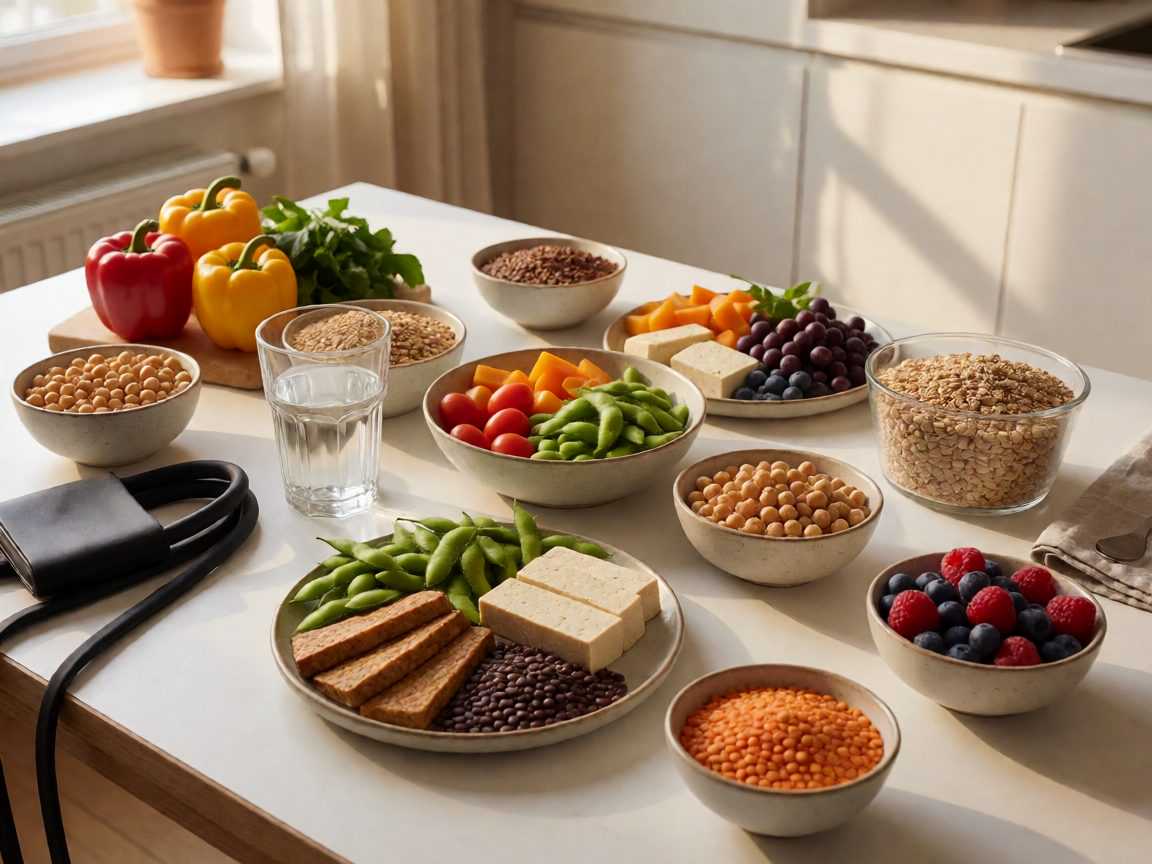
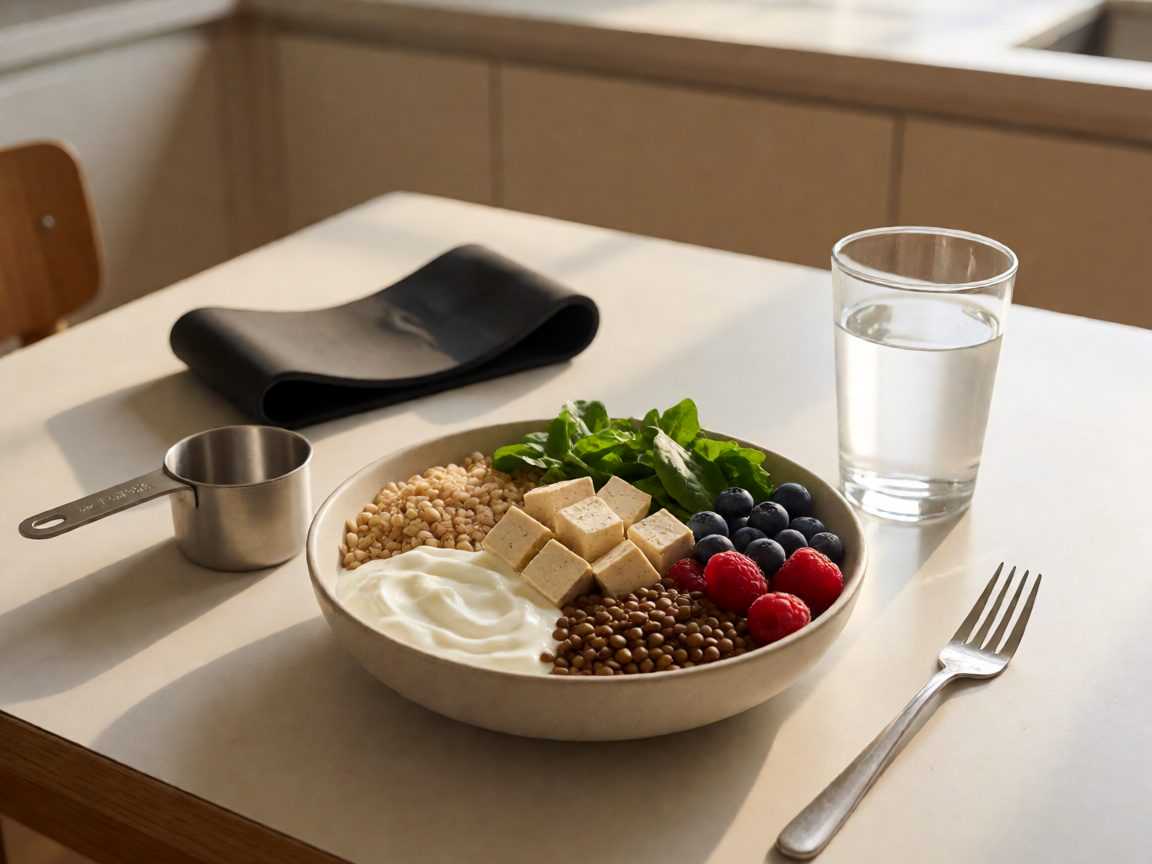
Vegetarian protein options include Greek yogurt, cottage cheese, eggs, cheese, tofu, edamame, roasted chickpeas, hummus, lentils, beans, nuts, seeds, and fortified soy foods. You do not need to use the same source every day. Rotating options can make snacks more enjoyable and reduce dependence on one packaged product.
For a cool snack, try yogurt, cottage cheese, or edamame. For a shelf-stable snack, use roasted chickpeas, nuts, seeds, nut butter, or a protein bar you already tolerate. For a more substantial option, combine tofu, hummus, or beans with crackers, fruit, or a small wrap. Read labels on packaged foods for protein, added sugar, sodium, saturated fat, concentrated fiber, and serving size.
2. Add an easy carbohydrate or fruit
Fruit, whole-grain crackers, oat cakes, a small slice of toast, a banana, applesauce, or a modest portion of dried fruit can make a snack more useful around a busy day. Carbohydrate portions are not automatically right or wrong; they depend on your overall eating pattern, activity, glucose management, and appetite.
Keep the carbohydrate separate when possible. You might eat yogurt with berries on one day, crackers with hummus on another, or a banana with nut butter when you need a portable choice. Separate components make it easier to stop when comfortably full and save the rest.
3. Add gentle fiber when comfortable
Fruit, vegetables, oats, beans, lentils, chia, and roasted chickpeas can contribute fiber. However, a sudden large increase may worsen bloating or constipation for some people. If raw vegetables or high-fiber bars feel uncomfortable, choose cooked vegetables, peeled fruit, oatmeal, soup, or a smaller portion of beans.
Increase fiber gradually and keep fluids available. The daily fiber guide for GLP-1 users and the high-fiber foods guide can help you think about gradual changes rather than forcing a large amount into one snack.
4. Keep water and a mild backup nearby
Pack water or another drink that fits your clinician’s guidance. A mild backup might be plain crackers, applesauce, toast, a small yogurt, a banana, or a simple soup. Choose something you have previously tolerated rather than testing a new supplement or bar during a long trip.
Snack ideas for vegetarians on semaglutide
Greek yogurt with berries and oats
Use plain Greek yogurt, berries, and a small amount of oats. Keep seeds or nut butter separate if you want to adjust richness or texture. If the snack feels too filling, eat the yogurt and fruit first and save the oats for later.
Edamame with fruit
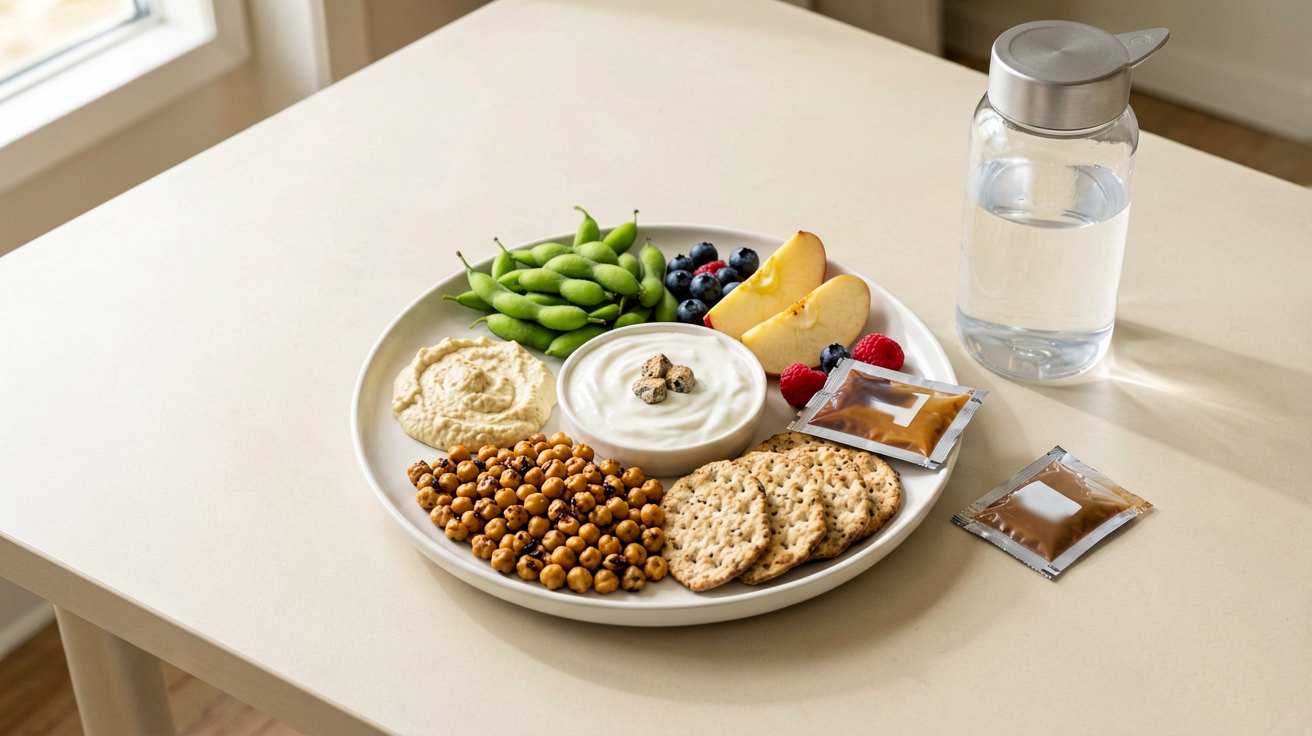
Pair chilled or thawed edamame with an orange, apple, or berries. This option is easy to portion and works well as a cooler snack. Add a small amount of salt or seasoning only if it suits your preferences.
Hummus with crackers and cooked vegetables
Use hummus with whole-grain crackers and roasted carrots, peppers, or zucchini. If raw vegetables cause discomfort, cooked vegetables may be easier to tolerate. Pack the hummus separately to keep the crackers crisp.
Apple with nut butter
Slice an apple and add a single-serve nut-butter packet. This is portable and simple, but nut butter is concentrated, so a small packet or portion may be more comfortable than eating directly from a large jar.
Roasted chickpeas with a mild carbohydrate
Roasted chickpeas can be combined with oat cakes, rice crackers, or fruit. Check the label for sodium and added oils. If legumes make you bloated, start with a smaller amount or choose yogurt, tofu, or eggs instead.
Egg and toast bites
Pack a boiled egg with a small piece of toast or crackers. Add fruit if you want a more complete snack. Keep eggs chilled and follow safe storage practices.
Cottage cheese with peaches
Use cottage cheese with sliced peaches or another soft fruit. Choose a lower-sodium version if that fits your plan, and keep it cold during transport.
Tofu and rice-paper or nori bites
Use seasoned tofu with a small amount of rice, cucumber, or nori. Keep the seasoning mild if strong flavors or rich sauces are difficult for you. This can also become a small meal-prep component.
Match the snack to the situation
Between meals
If your next meal is close, you may only need one component, such as yogurt, fruit, or a few crackers. If the gap is longer, pair protein with a carbohydrate or produce item. Pack the components separately so you can stop when satisfied.
Before exercise
A snack is not required before every workout. If you are hungry, choose something familiar and modest, such as a banana with nut butter, yogurt with oats, or crackers with hummus. Avoid experimenting with a very high-fiber or high-fat snack immediately before activity.
After exercise
Choose a snack or meal that includes protein and foods you can comfortably eat. Yogurt with fruit, edamame with crackers, tofu with rice, or an egg with toast can all work as examples. If a full meal is coming soon, a small portion may be enough.
At work or while traveling
Pack one shelf-stable protein option, one fruit or carbohydrate, one cooler-friendly choice, and one mild backup. These combinations can also support lunch ideas for vegetarians on semaglutide when a full lunch is delayed. A supermarket may offer yogurt, eggs, cheese, fruit, hummus, edamame, or a simple sandwich.
Meal prep for vegans and vegetarians
For vegetarians who eat dairy or eggs, rotate yogurt, cottage cheese, eggs, tofu, beans, lentils, edamame, and cheese. For vegans, use tofu, tempeh, edamame, hummus, beans, lentils, nuts, seeds, and fortified soy foods. Check labels because plant-based products vary in protein, calcium, vitamin B12, vitamin D, sodium, and added sugar.
Meal prep for vegans on semaglutide can stay simple. Prepare one tofu or tempeh option, one bean or lentil option, two fruits, and a few easy carbohydrates. Store sauces separately and use smaller containers. If your diet is restricted or your appetite is consistently low, ask a registered dietitian to review whether your overall intake is adequate.
Snack ideas for beginners on semaglutide should favor familiar foods over complicated recipes. Start with one combination, test it on a normal day, and make adjustments before relying on it during travel or a busy workweek.
Storage and food-safety basics
Keep yogurt, eggs, cottage cheese, tofu, and other perishable foods cold with an insulated lunch bag and cold packs. Label prep dates, refrigerate cooked foods promptly, and follow package storage directions. Keep crunchy foods separate from dips and fruit so texture remains appealing.
Do not keep perishable foods at an uncertain temperature for a long period. When in doubt, choose a shelf-stable alternative. A simple food-safety routine makes it easier to trust your snack kit and prevents a practical plan from becoming a source of avoidable risk.
Common mistakes to avoid
Making every snack too large
Use modest containers and separate components. You can add more later; you do not have to finish a large snack because it was packed.
Using only packaged “high-protein” products
Bars and shakes can be convenient, but they may contain concentrated fiber, sugar alcohols, caffeine, or ingredients that do not suit you. Use them selectively and compare labels.
Adding fiber too quickly
Beans, lentils, bran, chia, and fiber bars can be useful, but sudden changes may be uncomfortable. Add one change at a time and discuss persistent constipation with your care team.
Ignoring symptoms because the snack is nutritious
Persistent vomiting, diarrhea, severe abdominal pain, faintness, signs of dehydration, or inability to keep fluids down requires prompt medical advice. Do not change semaglutide treatment on your own.
FAQ
What are easy snack ideas for vegetarians on semaglutide?
Try Greek yogurt with berries, edamame with fruit, hummus with crackers, apple with nut butter, roasted chickpeas with oat cakes, an egg with toast, cottage cheese with peaches, or tofu with a small amount of rice.
Can I eat snacks if I feel full quickly?
You do not need to snack simply because a schedule says so. If you choose to eat, use a small portion, eat slowly, and stop at comfortable fullness. A snack can be divided into two occasions.
What if high-fiber snacks cause discomfort?
Choose cooked vegetables, peeled fruit, oats, soup, yogurt, tofu, eggs, or a smaller portion of beans. Increase fiber gradually and speak with a clinician if symptoms persist.
Are protein bars or shakes necessary?
No. They can be convenient, but they are not automatically required. Whole foods such as yogurt, eggs, tofu, edamame, beans, lentils, nuts, and seeds can fit a vegetarian pattern. Review supplements and specialized products with a professional if you have medical concerns.
Where can I find more semaglutide meal planning help?
Start with the WeightMuse GLP-1 Nutrition hub, the GLP-1 grocery list, and the protein intake planning guide. For related routines, see the vegetarian work-lunch guide for Ozempic, the travel snack guide for strength-training beginners, and the high-protein maintenance meal-prep guide.
Build a snack list you can repeat
Choose two protein foods, two fruits or carbohydrates, one fiber option, one cooler-friendly snack, and one mild backup. Test the combinations at home, portion them separately, and keep water available. The best snack plan is not the most elaborate one. It is the one that fits your appetite, your day, and the guidance of your healthcare team.
Sources and further reading: FDA Ozempic Prescribing Information; National Institute on Aging: Healthy Meal Planning; NIA: Healthy Eating and Protein Food Groups.
Health note: WeightMuse provides general education, not diagnosis or individualized medical advice. Speak with your prescriber, pharmacist, or registered dietitian about semaglutide side effects, diabetes treatment, kidney disease, allergies, supplements, persistent gastrointestinal symptoms, or a nutrition plan tailored to you.