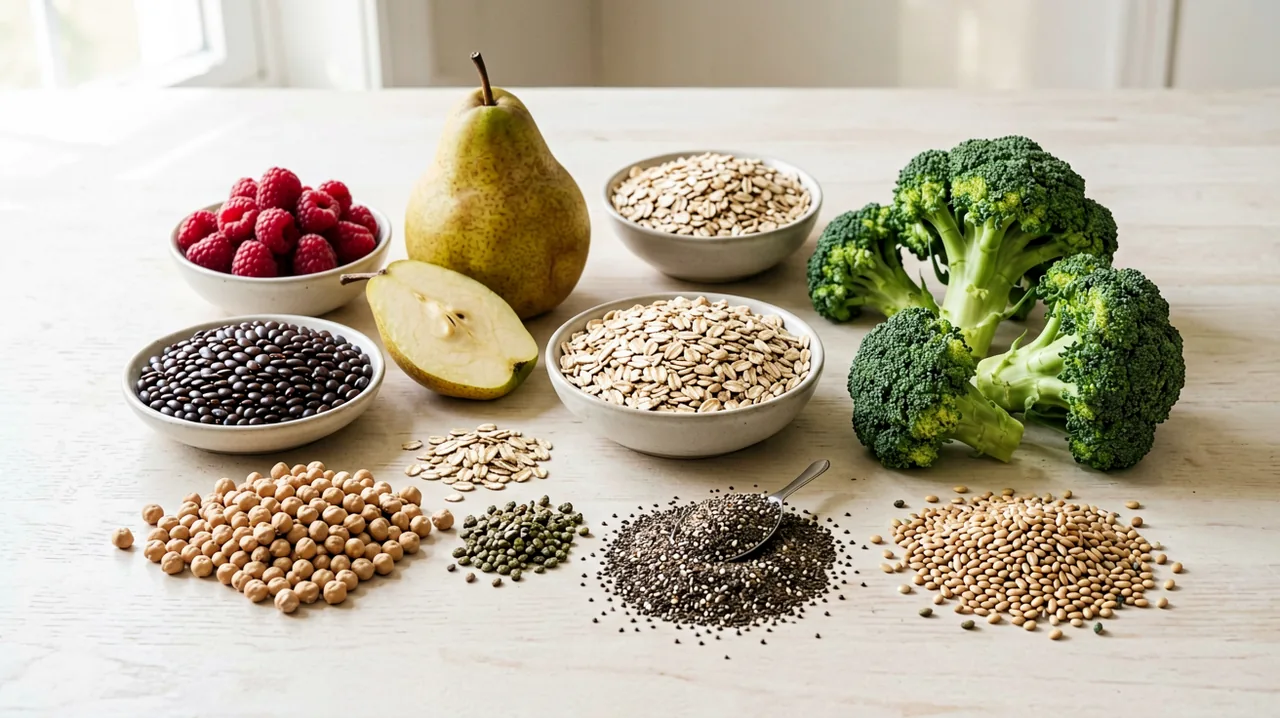
Protein is one part of a balanced eating pattern that can help meals feel satisfying and support normal body tissues. There is no single protein target that fits everyone. Needs vary with body size, age, activity, pregnancy, kidney function, medical conditions, and personal goals.
Start with a meal-by-meal plan
Instead of chasing a large daily number, include a protein food at breakfast, lunch, dinner, and any planned snack. Examples include eggs, dairy, poultry, seafood, tofu, tempeh, beans, lentils, and fortified soy foods.
Simple protein combinations
- Greek yogurt with berries and oats.
- Eggs with vegetables and whole-grain toast.
- Chicken or tofu with vegetables and rice.
- Lentil soup with cottage cheese or yogurt.
- Edamame with fruit.
- Canned salmon with beans and salad vegetables.
How to use a calculator responsibly
A calculator can organize food choices, but it cannot diagnose a deficiency or prescribe a medical diet. Treat any estimate as a planning starting point. If you have kidney disease, liver disease, a history of eating disorders, are pregnant, or have another condition requiring dietary care, ask a qualified professional before increasing protein substantially.
Protein supplements
Protein powder can be convenient, but it is not automatically better than food. Check serving size, added sugar, allergens, sodium, and third-party testing where relevant. Supplements may not be suitable for everyone.
What matters most
Consistency, food quality, total energy intake, fiber, hydration, sleep, and activity all matter. Protein should fit into an overall eating pattern rather than replace vegetables, fruit, whole grains, or healthy fats.
Estimate portions with familiar foods
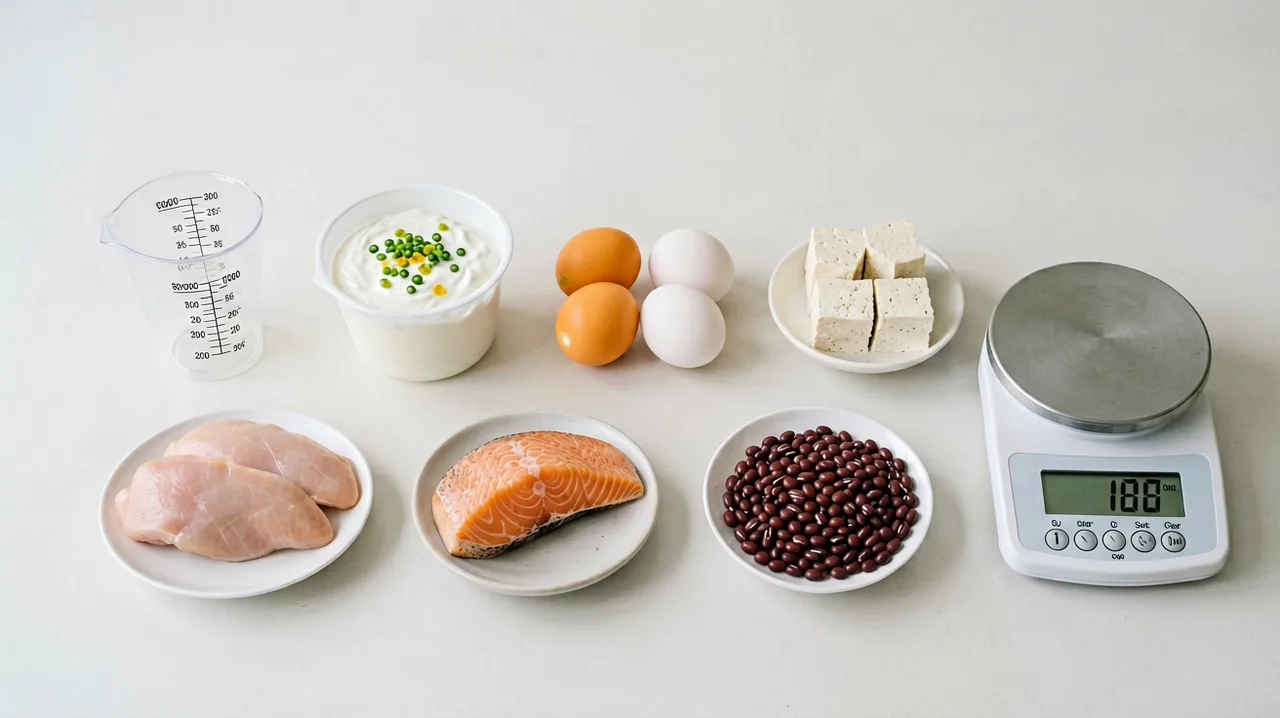
You can plan protein without weighing every ingredient. A palm-sized portion of fish, poultry, or tofu, a serving of Greek yogurt or cottage cheese, eggs, beans, lentils, and edamame can each serve as a practical anchor. Package labels can provide more precise information when you need it, but visual portions are often enough for everyday planning.
Distribute protein instead of saving it all for dinner
Many people eat very little protein at breakfast and lunch, then try to catch up at night. Spreading protein through the day can make meal planning easier and may support a more satisfying routine. Try adding yogurt or eggs in the morning, beans, fish, tofu, or poultry at lunch, and another protein source at dinner. A planned snack can include edamame, cottage cheese, or milk when appropriate.
Include plant and animal sources as preferred
Both animal and plant foods can contribute protein. Plant-based meals may need a combination of beans, lentils, tofu, tempeh, soy foods, grains, nuts, or seeds across the day. Animal foods can be convenient, but they do not need to appear at every meal. Choose foods that fit your culture, budget, allergies, ethics, and digestive comfort.
Use a calculator as a planning tool
If you use a protein calculator, enter realistic information and treat the result as an estimate rather than a medical order. Compare the estimate with what you currently eat, then make small changes such as adding one protein food to breakfast or replacing a low-protein snack. A registered dietitian can help interpret targets when weight loss, strength training, aging, or a medical condition makes the decision more complex.
Check the whole pattern
Increasing protein should not mean removing all carbohydrates, vegetables, fruit, fiber, or fats. Meals still need energy, hydration, and variety. If a higher-protein plan causes constipation, nausea, food anxiety, or difficulty eating enough overall, pause and ask for professional guidance.
Bottom line: Use protein planning to make meals more consistent, not to create an unnecessarily restrictive diet.