Fiber adds structure and texture to meals, supports normal digestive function, and can help make eating patterns more satisfying. It is found naturally in plant foods, and different foods provide different types of fiber. The best approach is variety rather than chasing one supplement or ingredient.
High-fiber foods to keep on hand
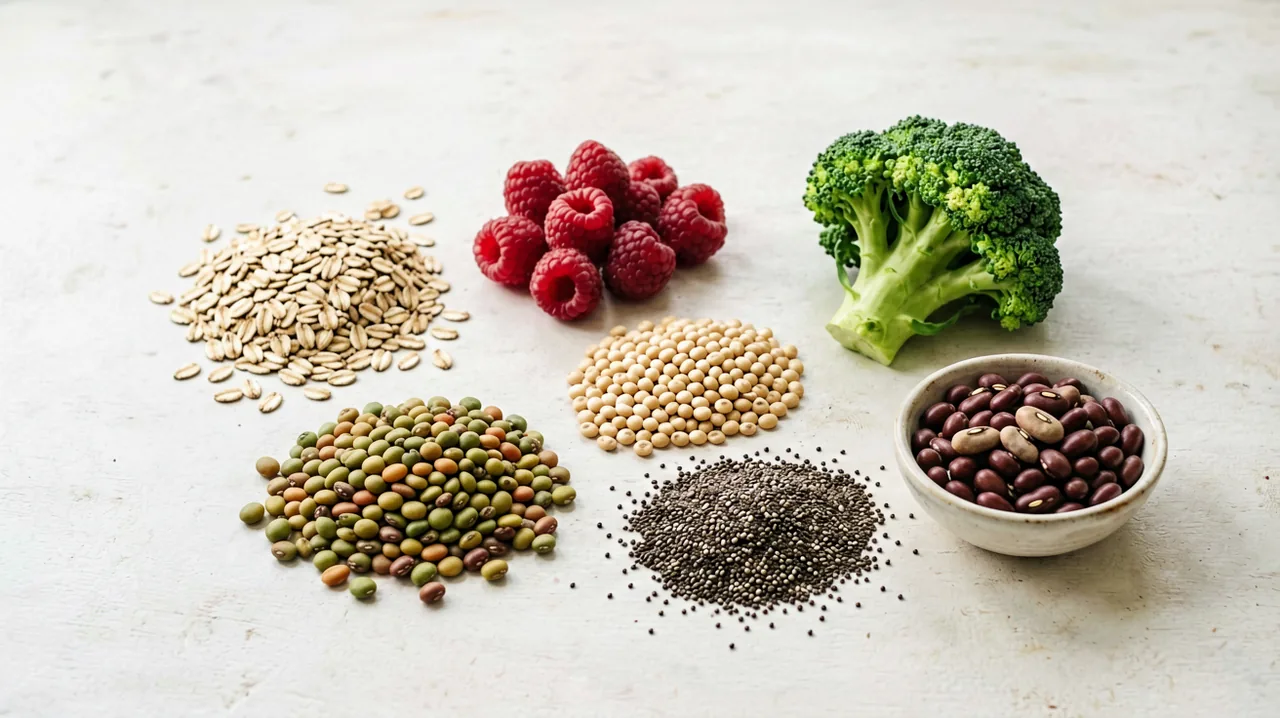
- Fruit: raspberries, pears, apples, oranges, and kiwi.
- Legumes: lentils, black beans, chickpeas, and split peas.
- Vegetables: broccoli, Brussels sprouts, carrots, green beans, and leafy greens.
- Whole grains: oats, barley, quinoa, and whole-grain bread.
- Seeds and nuts: chia, ground flaxseed, pumpkin seeds, and almonds.
- Starchy plants: potatoes with skin, sweet potatoes, and corn.
How to add fiber without discomfort
Increase portions slowly, spread fiber across meals, and drink enough fluid for your own needs. Try adding berries to yogurt, beans to soup, oats to breakfast, or vegetables to a sandwich. If you are new to high-fiber foods, start with smaller servings.
Pair fiber with protein
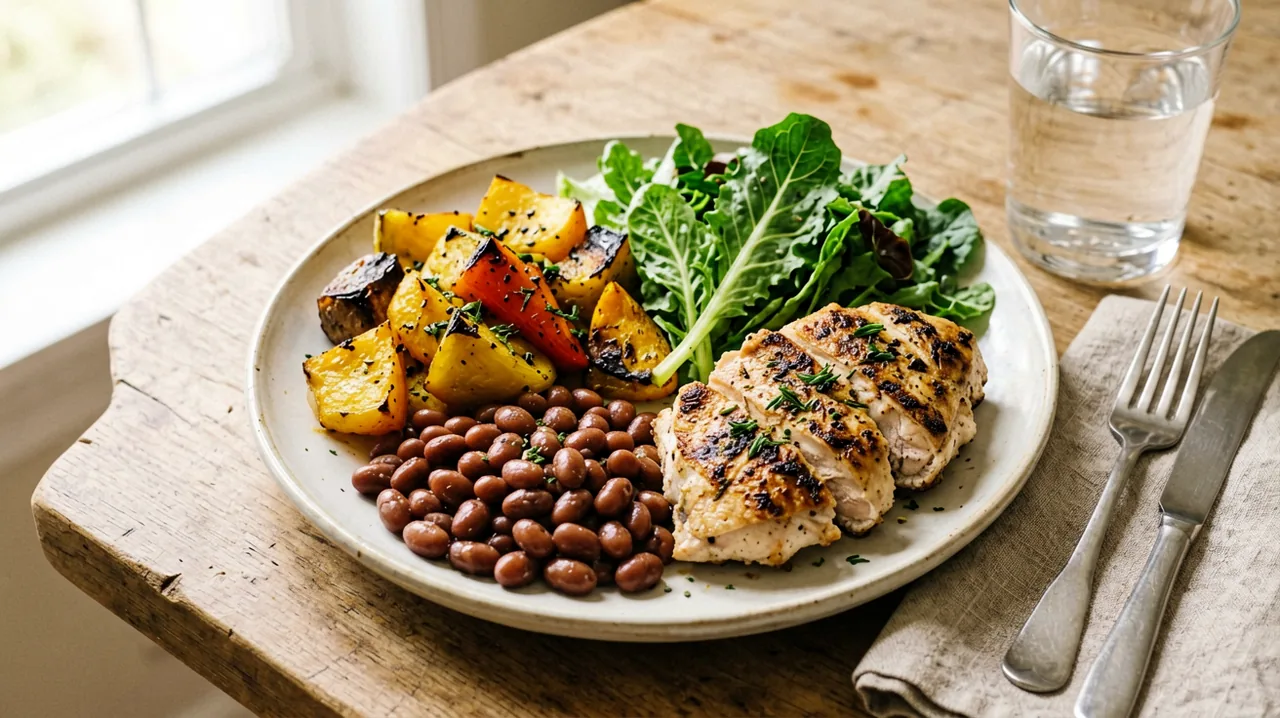
A satisfying meal often includes both a fiber-rich food and a protein source. Examples include lentil soup with yogurt, oatmeal with Greek yogurt, a bean bowl with tofu, or a chicken salad with vegetables and whole grains.
Fiber supplements are not always necessary
Food-first choices provide fiber together with vitamins, minerals, water, and texture. Supplements may be appropriate in some situations, but they can interact with medications or worsen gastrointestinal symptoms for some people. Ask a clinician or pharmacist before using one regularly.
Special considerations for GLP-1 users
People using GLP-1 medications may experience changes in appetite or gastrointestinal symptoms. A large sudden increase in fiber may not feel comfortable. Discuss ongoing constipation, vomiting, severe pain, or difficulty eating and drinking with your prescribing clinician.
For general dietary guidance, see the Dietary Guidelines for Americans.
Understand the different roles of fiber foods
Some fiber-rich foods form a softer texture when mixed with fluid, while others add bulk and chew to a meal. Oats, beans, lentils, fruit, vegetables, whole grains, nuts, and seeds all contribute in different ways. You do not need to label every food perfectly; variety across the week is a useful goal.
Build a gradual sample day
- Breakfast: oats with berries and Greek yogurt, or whole-grain toast with eggs and fruit.
- Lunch: lentil soup with a side of vegetables and cottage cheese or tofu.
- Snack: an apple, pear, kiwi, or a small portion of nuts if tolerated.
- Dinner: beans or fish with cooked vegetables and a portion of potatoes, brown rice, or quinoa.
This is a structure, not a required menu. Start with one additional fiber food per day and allow your digestive system time to adjust. Cooked vegetables, peeled fruit, blended soups, or smaller portions may feel gentler than a large raw salad.
Track comfort as well as quantity
When increasing fiber, note bloating, stool changes, abdominal discomfort, appetite, and fluid intake. If symptoms appear, reduce the pace rather than abandoning every fiber food. Change one variable at a time so you can identify what works. Persistent or severe symptoms should be discussed with a healthcare professional.
Use supplements carefully
Fiber supplements can be useful in selected situations, but more is not always better. They may affect medication absorption or worsen gas and bloating. Ask a pharmacist or clinician about timing and suitability, especially if you take several medications or have a gastrointestinal condition. Food-first choices also provide texture and other nutrients that a supplement does not replace.