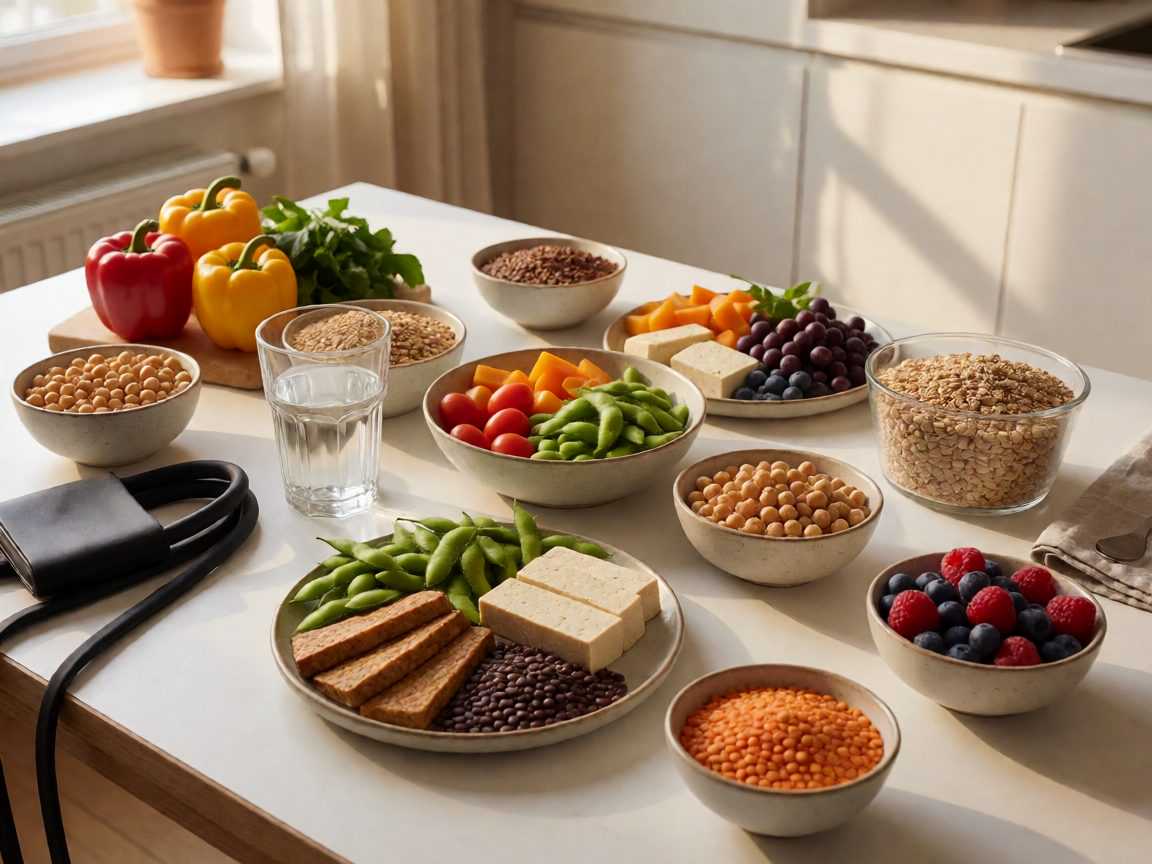
Quick answer: For protein goals on tirzepatide for beginners, start with a consistent protein source at each meal, spread across the day, and adjust portions to your appetite, health needs, and clinician’s advice. A practical plate can pair a palm-sized serving of fish, eggs, poultry, tofu, beans, yogurt, or another protein food with vegetables, a fiber-rich carbohydrate, and fluids. The aim is a repeatable eating pattern that supports nourishment and everyday strength—not a rigid number, a crash diet, or a promise of a particular weight change.
Tirzepatide can change appetite and meal tolerance. Some people find that a normal portion feels larger than before, while others notice nausea, early fullness, constipation, or a less predictable appetite. Those experiences make planning useful, but they do not make a universal protein prescription appropriate. Use this guide as a food-planning framework and discuss persistent symptoms, medical conditions, dietary restrictions, and medication questions with a qualified clinician.
What protein goals on tirzepatide should look like
Think in patterns before numbers. A useful beginner pattern is to include a protein-rich food in breakfast, lunch, dinner, and—if needed—a small snack. This approach can be easier to follow than trying to force a large amount into one meal. It also creates several opportunities to choose foods that fit your culture, budget, appetite, and cooking routine.
Protein is only one part of a balanced meal. Add produce for color and fiber, a carbohydrate that you tolerate well, and enough fluid to support comfortable eating. If a meal feels too large, reduce the overall portion and keep a smaller protein serving available later. If your appetite is low for several days, contact your care team rather than trying to compensate with extreme restriction or supplements chosen without guidance.
Three beginner principles
- Distribute: place a modest protein serving in more than one eating occasion instead of saving it all for dinner.
- Prioritize tolerability: choose textures and temperatures that feel comfortable, and eat slowly enough to notice fullness.
- Pair: combine protein with produce, fiber-rich carbohydrates, and fluids rather than building meals around protein alone.
For a broader list of affordable choices, see our protein and fiber foods guide. It can help you build a short list of foods you will actually buy and use.
A simple plate method for tirzepatide meals
Start with a plate or bowl you normally use. Add a protein anchor first, then fill in the rest according to hunger and tolerance. The following examples are deliberately flexible; they are not a prescription and do not replace individualized nutrition advice.
Breakfast ideas
- Plain Greek yogurt with berries, oats, and ground flaxseed.
- Eggs or an egg-and-tofu scramble with spinach and whole-grain toast.
- Cottage cheese or a suitable dairy-free alternative with fruit and a small serving of nuts.
- Soft tofu blended into a savory soup or spread alongside avocado and a corn tortilla.
Lunch ideas
- Chicken, tuna, salmon, or beans over greens with a potato, brown rice, or whole-grain pita.
- Lentil soup with a side of yogurt, tofu, or a small cheese portion if tolerated.
- Tofu or tempeh with roasted vegetables and a sauce that is flavorful but not too rich.
- A smaller snack-style lunch: hummus, edamame, vegetables, fruit, and crackers or toast.
Dinner ideas
- Baked fish or poultry with cooked vegetables and a small serving of rice or potatoes.
- Bean chili with vegetables, a little cheese or yogurt, and a corn tortilla.
- Tofu, tempeh, or seitan stir-fry with vegetables and noodles or rice.
- Egg or lentil patties with salad, roasted vegetables, and a simple dressing.
Use softer, lower-fat, or less spicy options if richer foods make you uncomfortable. Cooked vegetables may feel easier than large raw salads for some people. The right choice is the one that supports eating regularly without creating a cycle of forcing, skipping, and overeating later.
How to adapt the plan for older adults
Protein goals on tirzepatide for older adults need an even wider safety lens. Appetite changes can interact with dental concerns, swallowing difficulty, reduced mobility, kidney disease, diabetes treatment, or other conditions. An older adult may also benefit from paying attention to strength, balance, and day-to-day function rather than focusing only on the scale.
Choose foods that are easy to chew and prepare: yogurt, eggs, fish, tofu, beans cooked until tender, cottage cheese, soups, and minced or shredded poultry can be useful starting points. If a person struggles to eat a full meal, a smaller serving can be offered more often. A registered dietitian or clinician can help determine whether a higher-protein pattern, a supplement, or a particular texture is appropriate.
The National Institute on Aging discusses strength activities as a way to maintain existing strength, slow loss of muscle mass, and support mobility. Read its strength and physical activity guidance. Start at a safe level, use support when needed, and ask a professional about exercise modifications after a fall, surgery, or long period of inactivity.
Vegan options that can still be practical
Protein goals on tirzepatide for vegans can be met with variety and planning. Useful anchors include tofu, tempeh, edamame, lentils, beans, chickpeas, peas, seitan, fortified soy yogurt, and plant-based products that fit your preferences. Pairing is not about creating a perfect combination at every bite; it is about using several protein foods across the day while also including vegetables, fruit, grains, and fats.
Easy vegan combinations
- Tofu with rice, cooked greens, and a mild ginger sauce.
- Lentil soup with whole-grain toast and a side of fruit.
- Edamame, hummus, vegetables, and a small pita for a snack plate.
- Tempeh with roasted vegetables and potatoes.
- Fortified soy yogurt with oats, berries, and seeds.
Check labels for allergens, added sugar, sodium, and fortification where relevant. If you are moving to a vegan pattern while taking medication, have a clinician or dietitian review the change when you have a history of nutrient deficiency, digestive disease, kidney disease, or other nutrition-sensitive conditions. The National Institute on Aging’s meal-planning guidance emphasizes variety, hydration, and choosing foods from multiple groups.
Strength training, recovery, and realistic expectations
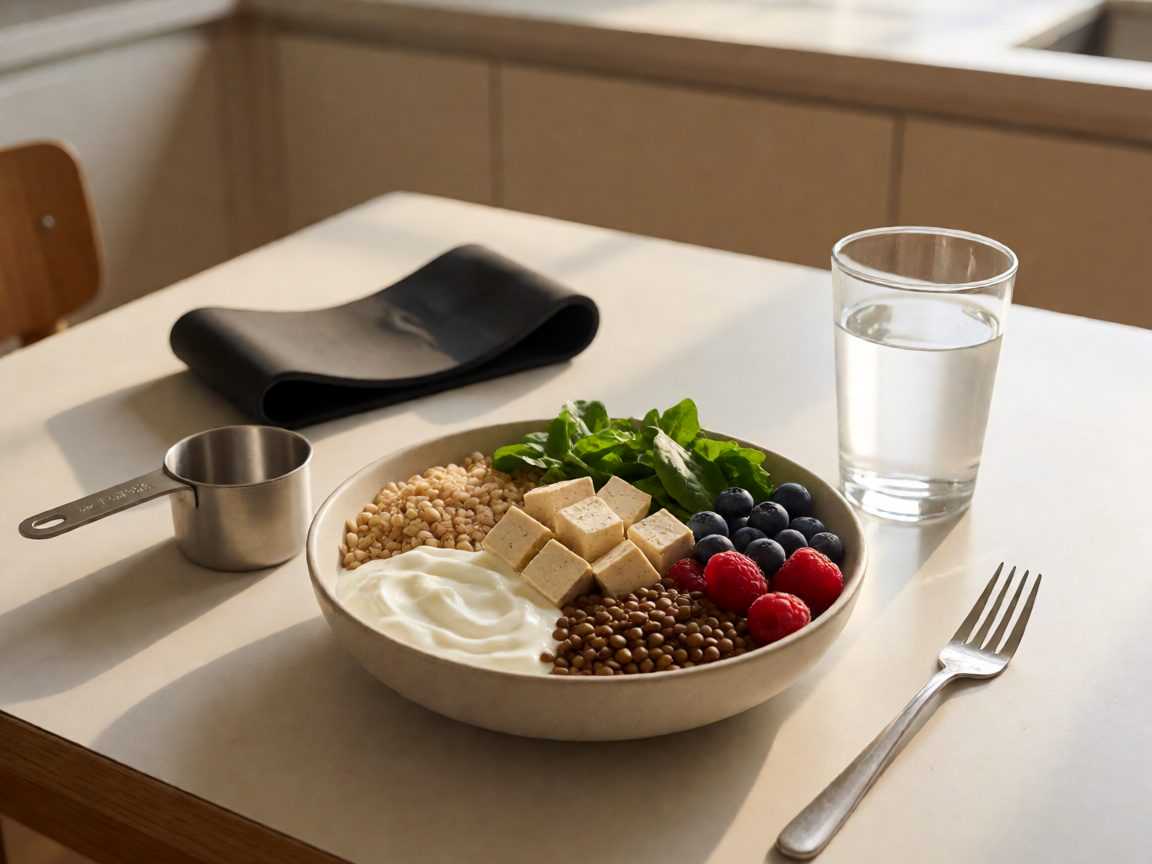
Food and movement work together, but neither should be used as punishment for eating or as a guarantee of a specific body composition outcome. The CDC recommends adults include muscle-strengthening activity on at least two days each week. Its adult activity overview gives the general public framework.
Beginners can start with chair stands, wall push-ups, resistance bands, or light weights, depending on ability. Use a controlled range of motion and stop for sharp pain, dizziness, or unusual shortness of breath. If you have not exercised recently, a physical therapist, clinician, or qualified trainer can help you choose a safe starting point.
Recovery includes sleep, fluids, enough total food, and rest between challenging sessions. A high-protein meal pattern cannot compensate for eating too little overall. If fatigue, weakness, repeated dizziness, or inability to maintain normal activities develops, pause self-experimentation and contact your care team.
A grocery and meal-prep system that saves effort
Choose two proteins, two plant proteins, three produce options, one or two fiber-rich carbohydrates, and a few easy flavor builders. For example, buy eggs and canned fish, tofu and lentils, frozen vegetables, berries, potatoes, oats, lemon, herbs, and a mild sauce. This gives you several combinations without requiring a new recipe every day.
Prep in small batches
- Cook one protein or open ready-to-use options that fit your dietary pattern.
- Wash or portion produce and keep softer choices available if needed.
- Prepare one grain, potato, soup, or other carbohydrate base.
- Store components separately so you can build a smaller or larger plate.
- Keep an emergency option, such as yogurt, tofu, beans, or a simple soup.
For related planning ideas, see our GLP-1 grocery list and meal-prep guide for people in menopause on GLP-1. You can also use the WeightMuse tools to track meals, symptoms, or habits without turning every entry into a judgment.
When symptoms or medical history change the plan
Tirzepatide is a prescription medicine with important safety information. The FDA-approved Mounjaro label includes warnings, adverse reactions, and instructions that should be reviewed with a prescriber—not replaced with general internet advice. Read the FDA Mounjaro prescribing information and follow your own clinician’s directions.
Contact a healthcare professional about persistent vomiting, inability to keep fluids down, severe or ongoing abdominal pain, fainting, signs of dehydration, allergic symptoms, or any symptom that feels urgent. Do not change a medication dose, stop treatment, or add a supplement to “hit” a protein goal without professional guidance. People with kidney disease, a history of eating disorders, pregnancy, diabetes treatment, swallowing problems, or significant digestive symptoms deserve individualized advice.
FAQ
Should beginners use a protein powder?
Not automatically. Food can provide protein along with texture, fiber, and other nutrients. A clinician or dietitian may suggest a supplement when food intake is consistently inadequate or chewing and swallowing are difficult. Compare ingredients and tolerability, and do not treat a powder as a medication.
What if I cannot finish a protein serving?
Stop when you are comfortably full, save the remainder safely, and try a smaller serving later if appropriate. Repeated inability to eat or drink enough is a reason to contact your care team. Forcing food can worsen discomfort and does not create a sustainable plan.
Can I follow these protein goals on tirzepatide for older adults if I have kidney disease?
Do not use a general target to self-manage kidney disease. Protein and fluid needs can vary with kidney function, treatment, age, and other conditions. Ask your clinician or renal dietitian for an individualized plan.
How can a vegan beginner avoid making meals too heavy?
Use smaller portions of tofu, tempeh, edamame, lentils, or fortified soy yogurt, spread them across meals, and choose cooking methods and seasonings that feel comfortable. Add produce and a tolerated carbohydrate rather than making the entire meal a dense protein bowl. If digestive symptoms persist, seek personalized help.
Should I weigh every ingredient?
No. A palm-sized serving, a small yogurt container, a scoop of tofu, or a portion you can consistently repeat may be enough for a starting routine. Tracking can be useful for learning patterns, but it should not increase anxiety or encourage restriction. Use our vegetarian snack ideas for additional flexible options.
Bottom line
Protein goals on tirzepatide for beginners are best treated as a flexible routine: include a tolerable protein source at several meals, pair it with fiber-rich foods and fluids, and support the plan with safe strength-building activity. Older adults may need extra attention to function and texture, while vegans can use tofu, beans, lentils, soy foods, and other varied choices. Keep the plan gentle enough to follow, and bring ongoing symptoms or medical conditions to a qualified clinician.
For the bigger picture, browse the GLP-1 Nutrition hub and our weight-maintenance guide. The goal is not perfection; it is a nourishing, repeatable pattern that can adapt as your appetite, schedule, and health needs change.