A good grocery list makes eating consistently easier when appetite, meal size, or food preferences change. This list focuses on flexible foods that can be combined into small meals and snacks. It is not a prescription diet and does not replace advice from your healthcare team.
Protein staples
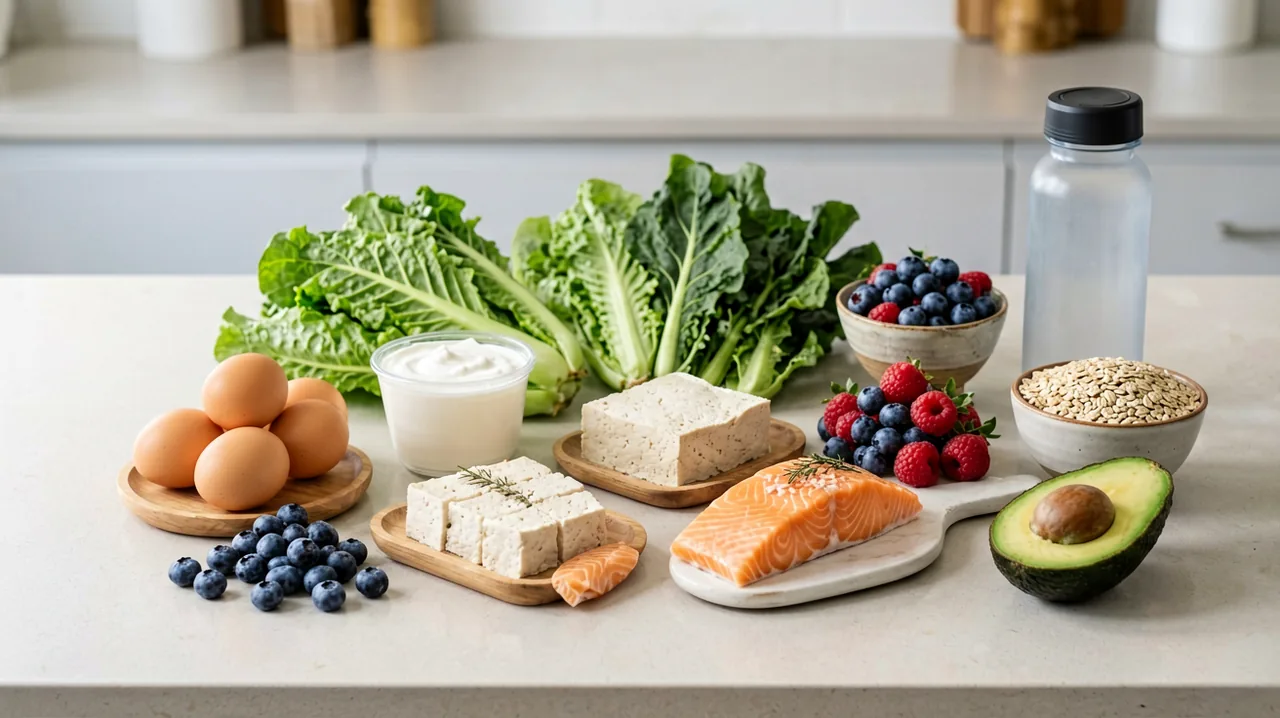
- Eggs and liquid egg whites.
- Plain Greek yogurt and cottage cheese.
- Chicken, turkey, fish, and canned tuna or salmon.
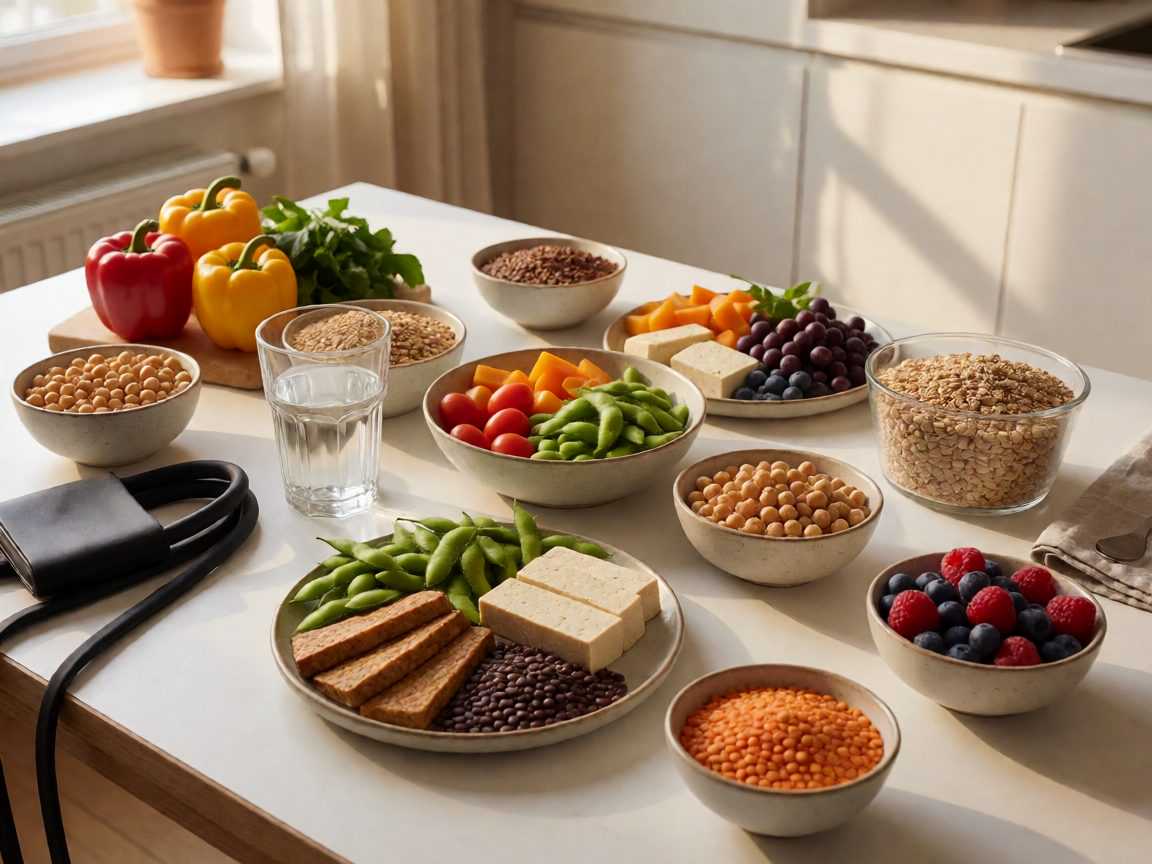
- Tofu, tempeh, edamame, lentils, and beans.
- Milk or unsweetened soy milk.
- Optional protein powder that fits your dietary needs and is tolerated well.
Fiber and produce
- Berries, pears, apples, kiwi, and bananas.
- Oats, quinoa, brown rice, and whole-grain crackers.
- Leafy greens, carrots, zucchini, tomatoes, cucumbers, and broccoli.
- Lentils, chickpeas, beans, chia seeds, and ground flaxseed.
- Frozen vegetables for quick, low-waste meals.
Hydration and easy additions
Keep water, unsweetened tea, broth, or another clinician-approved fluid available. If plain water is difficult to drink, try sparkling water, citrus slices, or a low-sugar flavoring. People with fluid restrictions should follow their clinician’s instructions instead.
Small-meal building blocks
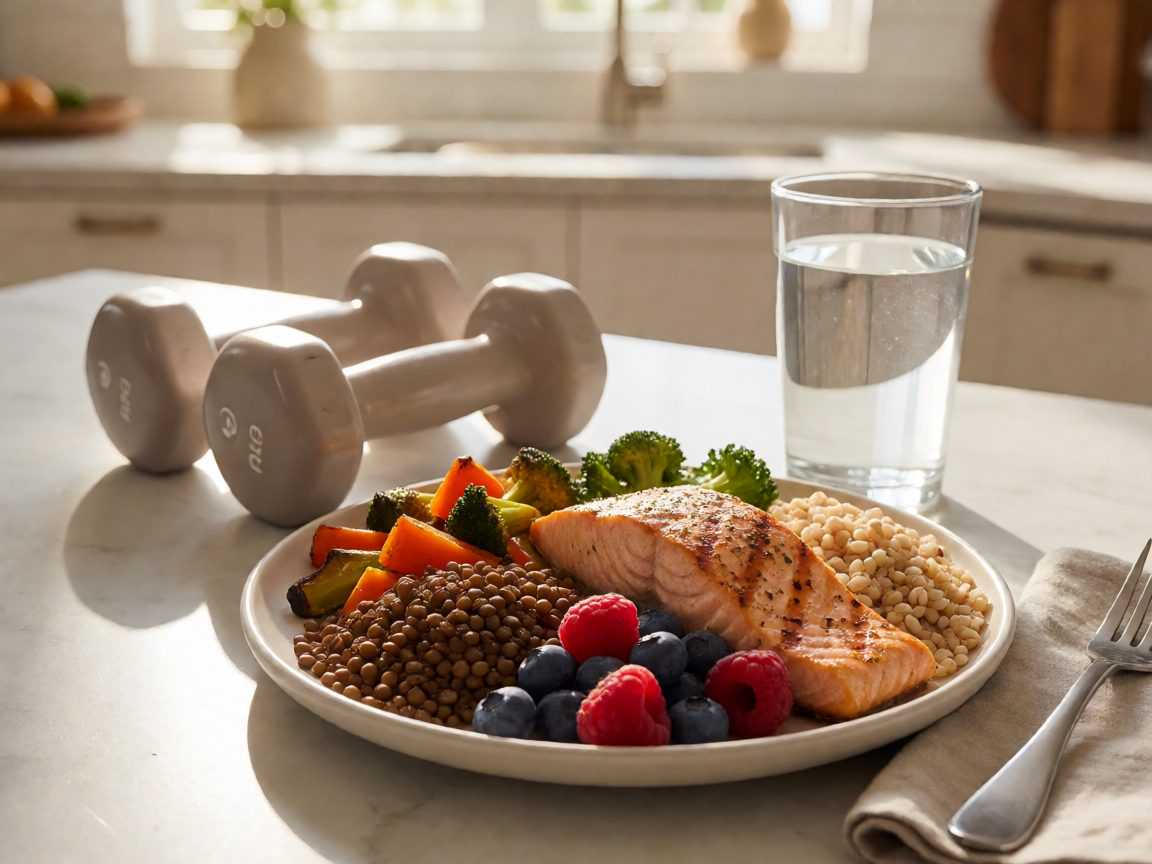
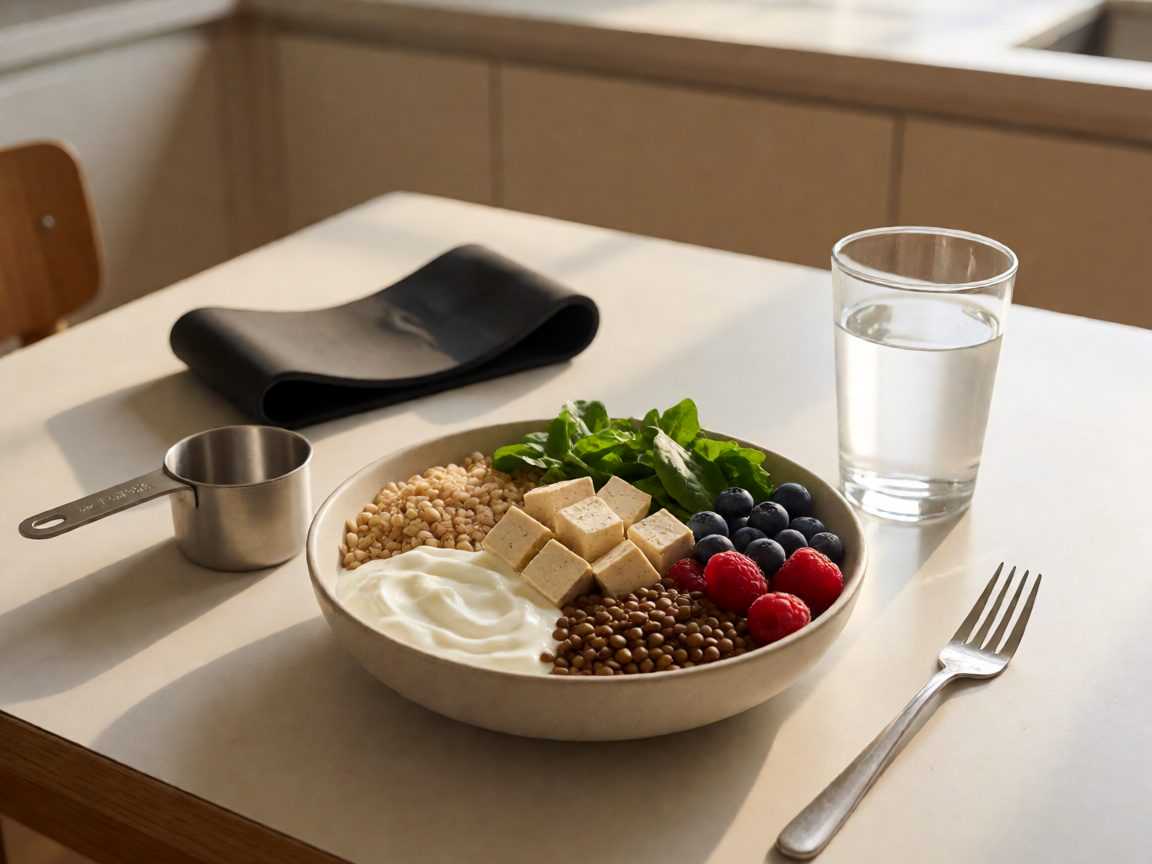
Use a simple formula: one protein, one produce or fiber food, and one optional carbohydrate or healthy fat. For example, combine cottage cheese with fruit; eggs with avocado and toast; tofu with rice and cooked vegetables; or yogurt with berries and oats. Choose smaller servings first and add more only if comfortable.
Foods to buy cautiously
Very greasy meals, large portions, heavily sweetened drinks, and highly spicy foods may be poorly tolerated by some people. Tolerance is individual, so use your own response as a guide. Avoid making broad promises about “detox” foods or supplements.
One-hour weekly prep
- Cook two protein options.
- Wash and portion fruit and vegetables.
- Prepare one grain or legume.
- Place ready-to-eat foods at eye level.
- Keep a simple symptom and tolerance note for your clinician.
Organize the list by how you will eat
A grocery list becomes more useful when every item has a simple job. Choose foods for a quick breakfast, a portable snack, a no-cook lunch, and one easy dinner. For example, Greek yogurt can serve as breakfast with berries, a snack with cinnamon, or a sauce base with herbs. Beans can be added to a salad, blended into a spread, or paired with rice and cooked vegetables.
Buy smaller packages when you are testing tolerance or when appetite is unpredictable. Frozen vegetables, single-serve yogurt, shelf-stable milk, canned fish, and pre-cooked grains can reduce waste. Larger packages may be economical, but only if you can portion and store them safely before they spoil.
A practical shopping pattern
- Choose two or three proteins: one ready-to-eat option, one refrigerator option, and one plant-based option.
- Choose three produce foods: include one soft fruit, one easy vegetable, and one frozen or shelf-stable backup.
- Choose two fiber foods: such as oats, beans, lentils, whole-grain bread, chia, or ground flaxseed.
- Choose one hydration plan: water, unsweetened tea, broth, or another option that fits your medical guidance.
- Choose flavor helpers: lemon, herbs, salsa, ginger, or a measured dressing to make small meals more appealing.
Check labels without overcomplicating shopping
Compare serving size, protein, fiber, added sugar, sodium, and ingredients when choosing packaged foods. A product marketed as “high protein” may also contain a large amount of sugar or sodium, while a plain product may be easier to customize. There is no need to avoid every packaged food; use labels to choose options that fit your preferences and tolerance.
Build a three-day food buffer
Keep enough ingredients for three simple combinations in case appetite or energy changes. One day might include yogurt with fruit, a tuna-and-bean salad, and tofu with vegetables. Another might use eggs, cottage cheese, lentil soup, and frozen produce. A small backup plan can make consistent eating easier during busy weeks without requiring a full meal-prep session.
Medical note: GLP-1 medications can have gastrointestinal side effects. Seek medical advice for severe or persistent symptoms, and never change a dose based on a grocery list. For general nutrition guidance, see the Dietary Guidelines for Americans.