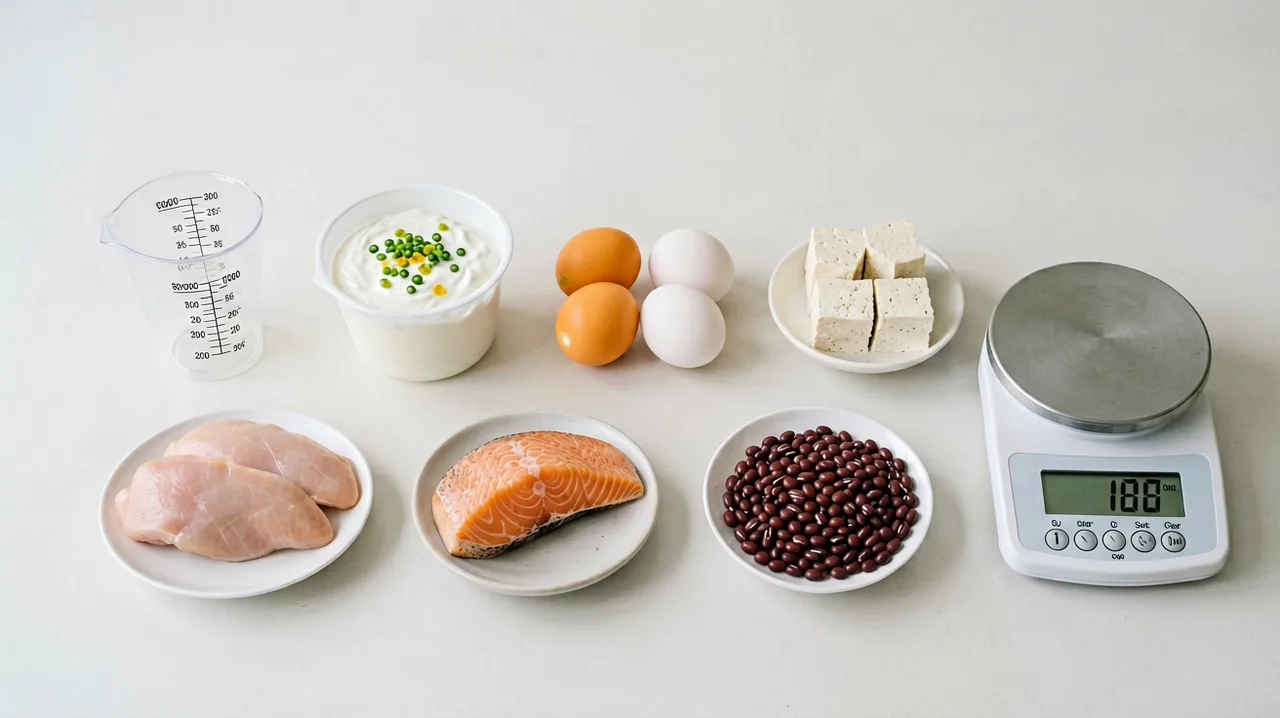
Fiber can support digestive health and help meals feel more satisfying, but the right amount and pace are individual. People using GLP-1 medications may need to pay extra attention to tolerance because appetite and gastrointestinal symptoms can change.
Food-first fiber sources
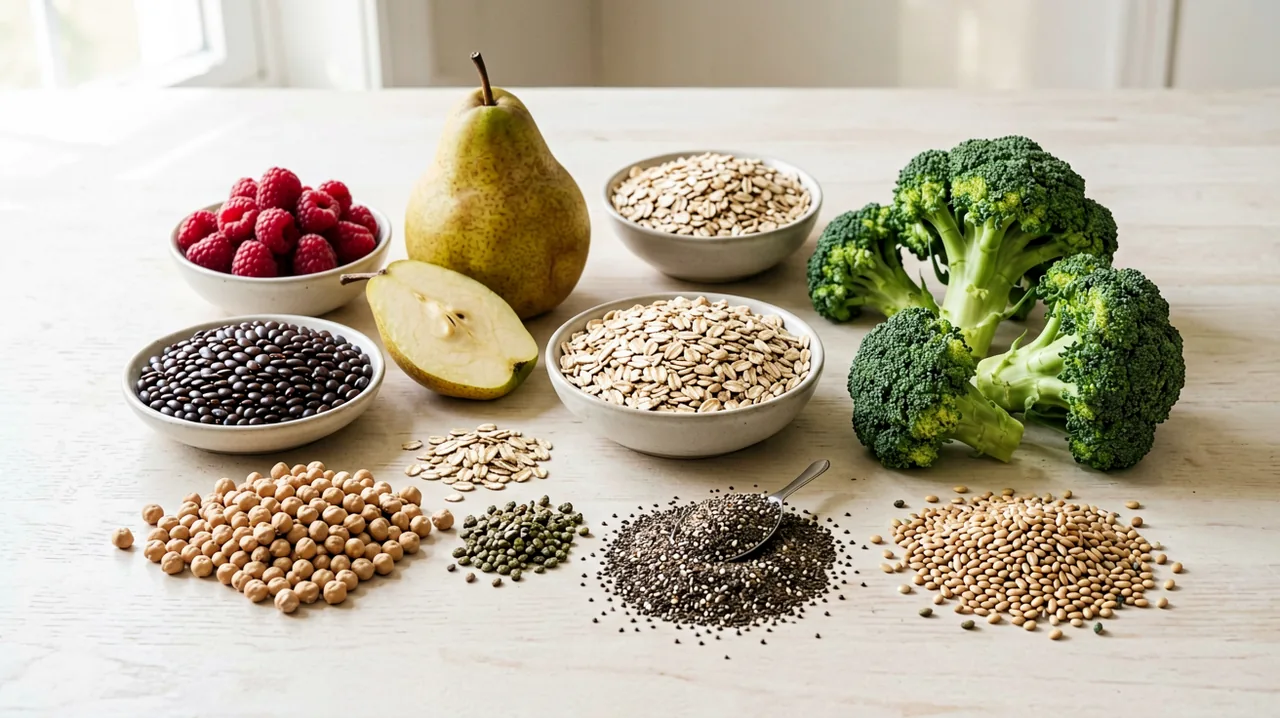
- Oats, barley, quinoa, and whole-grain breads.
- Beans, lentils, chickpeas, and peas.
- Raspberries, pears, apples, oranges, and kiwi.
- Broccoli, carrots, Brussels sprouts, leafy greens, and potatoes with skin.
- Chia, ground flaxseed, nuts, and seeds.
Increase slowly
Add one fiber-rich food at a time and observe how you feel. For example, add berries to breakfast, vegetables to lunch, or beans to dinner before increasing all three at once. A rapid increase can cause gas, bloating, or discomfort.
Pair fiber with fluid
Fiber works alongside fluid, but individual fluid needs vary. Sip water regularly unless a clinician has given you a fluid restriction. Do not use large amounts of fiber supplements to “fix” constipation without medical guidance.
Build a simple daily checklist
- Include a fruit or vegetable at two meals.
- Add beans, lentils, oats, or whole grains once daily.
- Choose a small serving of nuts or seeds if tolerated.
- Note bowel comfort, appetite, and hydration.
- Increase portions gradually rather than chasing a number immediately.
When to contact a clinician
Seek medical advice for persistent constipation, repeated vomiting, severe abdominal pain, dehydration, blood in the stool, or an inability to eat and drink. Do not change a GLP-1 dose because of information in this article.
For general nutrition principles, review the Dietary Guidelines for Americans. This article is educational and is not individualized medical advice.
Think in ranges and routines
A daily fiber target can be a useful reference, but it should not become a rigid number that overrides appetite or digestive comfort. Medication effects, age, food preferences, activity, and medical conditions all influence what is realistic. Begin with the foods you tolerate and increase gradually over time.
Use gentle fiber combinations
When the stomach feels sensitive, try cooked oats, soft fruit, peeled vegetables, blended lentil soup, or a small serving of beans instead of a very large raw salad. Pair one fiber food with protein, such as yogurt with berries, eggs with cooked vegetables, tofu with rice and carrots, or lentils with cottage cheese. Smaller meals may be easier than one high-volume plate.
A flexible daily checklist
- Choose one fruit or vegetable at breakfast or your first meal.
- Add a second produce serving at lunch or dinner.
- Include oats, beans, lentils, whole grains, or potatoes with skin once daily if tolerated.
- Drink fluids regularly according to your clinician’s guidance.
- Record comfort and bowel changes before increasing portions again.
The checklist is meant to guide gradual progress. If you miss a step, continue at the next meal instead of trying to compensate with a large amount of fiber all at once.
Address constipation carefully
Constipation can have several causes, including medication effects, low food intake, dehydration, reduced activity, or a change in routine. Increasing fiber may help some people, but it can worsen discomfort if fluids and tolerance are not adequate. Discuss persistent constipation with your prescribing clinician or pharmacist before using laxatives or fiber supplements.
When a smaller plan is appropriate
People with a fluid restriction, bowel disorder, kidney disease, swallowing difficulty, or a history of gastrointestinal symptoms may need a customized approach. The goal is comfortable, adequate nutrition, not a universal fiber challenge. Keep your healthcare team informed when symptoms persist or interfere with eating and drinking.