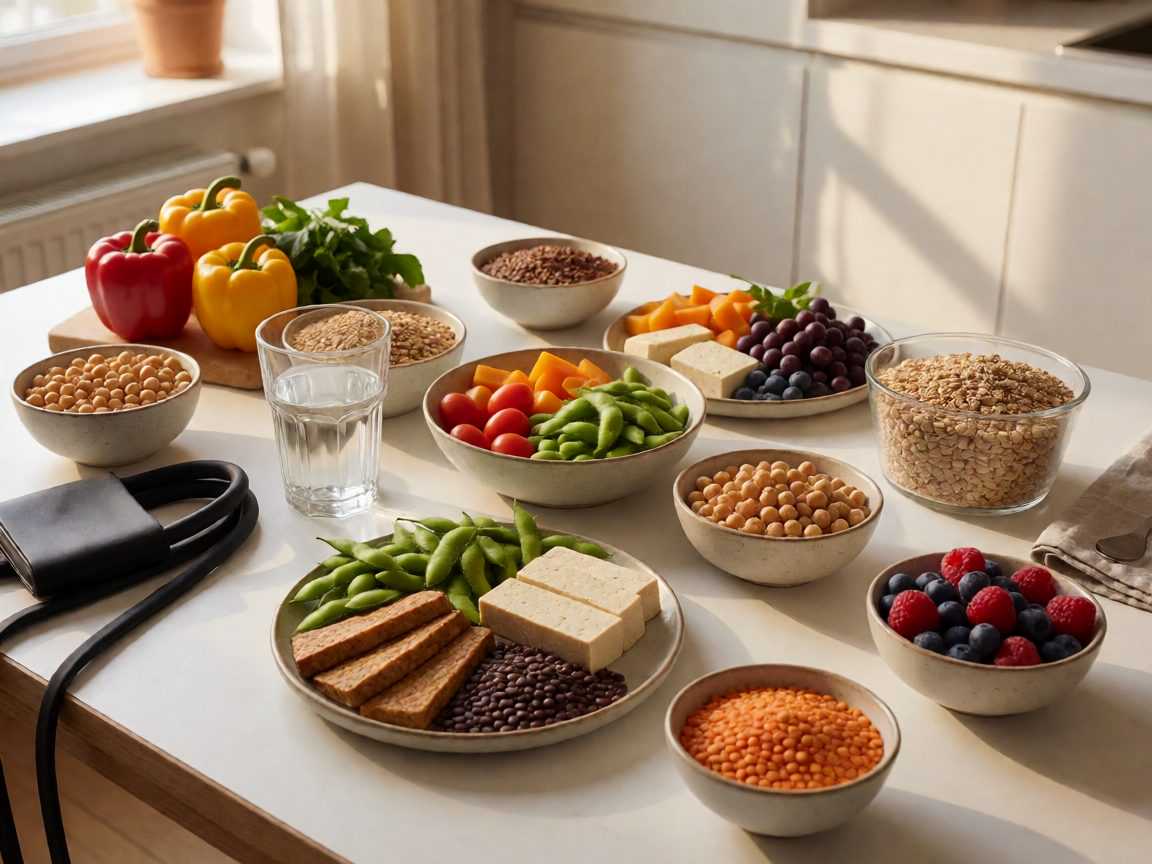
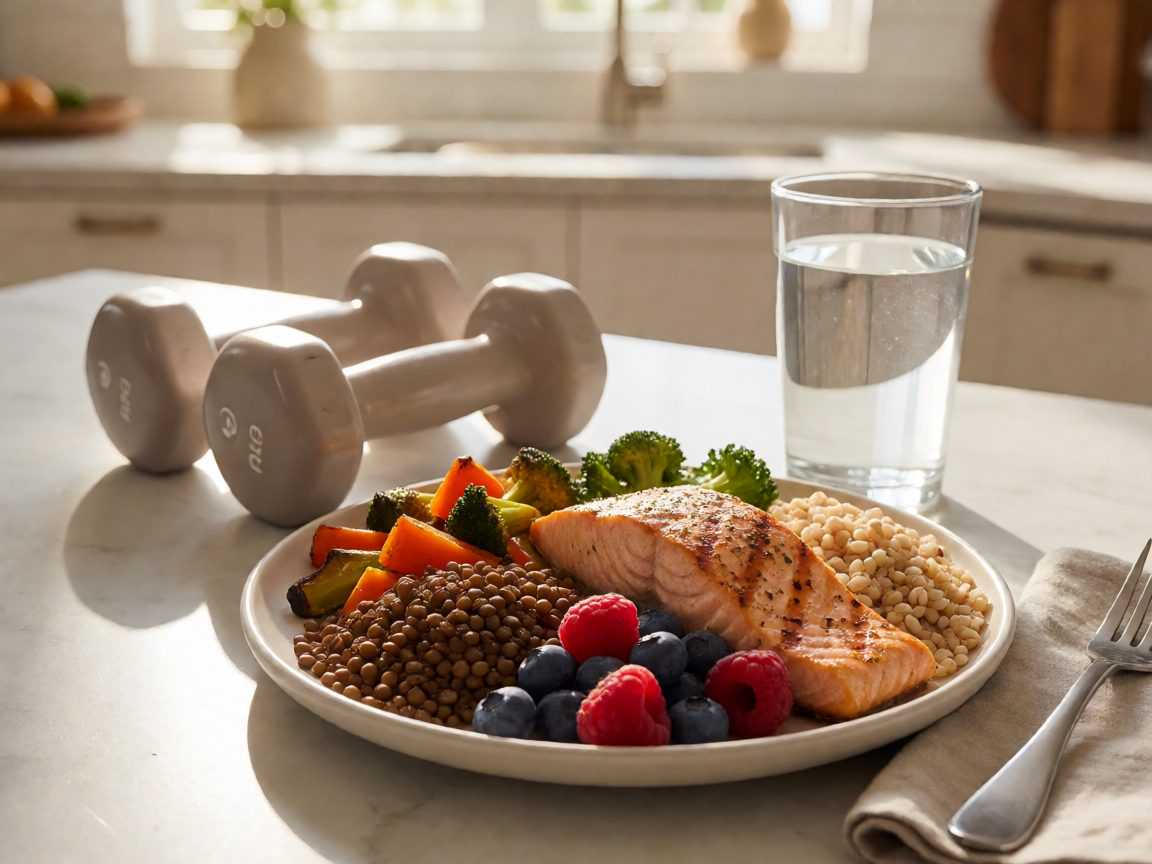
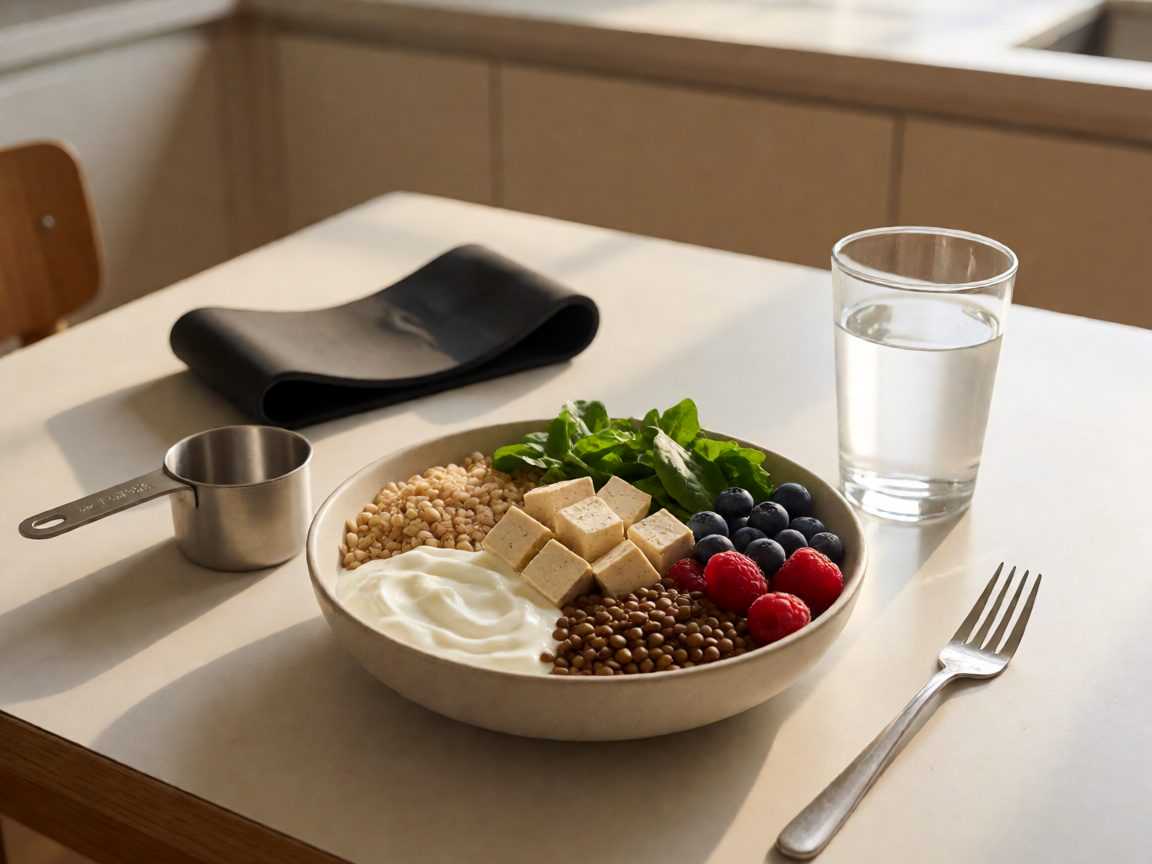
Quick answer: The best travel snacks for strength training beginners on Mounjaro are small, portable combinations that pair a moderate protein source with an easy carbohydrate, optional produce or fiber, and fluids. Pack a few shelf-stable choices, one cooler-friendly option if practical, and a simple backup for days when a large or rich snack does not feel comfortable. Use the plan as a flexible food framework, not as a medication or exercise prescription.
Starting strength training while traveling can make eating feel more complicated. You may be moving between airports, hotels, meetings, trailheads, and unfamiliar restaurants, while also learning how your appetite and fullness cues respond to Mounjaro. A snack that looks convenient on a store shelf may be too large, too greasy, too sweet, or difficult to eat before a workout. The goal is to create a small travel kit that supports consistent choices without requiring perfect timing or a rigid menu.
This guide focuses on food organization for general education. Mounjaro is a prescription medicine, and your medical history, diabetes treatment, allergies, kidney health, exercise plan, and symptoms all matter. Do not change a dose, skip a prescribed treatment, or use a snack list as a substitute for advice from your prescriber or a qualified dietitian.
Why travel snacks matter when you are new to strength training
Strength training beginners often need to learn several skills at once: how to warm up, how hard to work, how to recover, and how to recognize hunger or fatigue. Travel removes many of the food routines that make those decisions easier. You may not have a kitchen, a refrigerator, or a grocery store nearby. A planned snack can prevent the situation in which the only available choice is a very large meal eaten quickly.
People using Mounjaro may also experience appetite changes or gastrointestinal symptoms. The current FDA prescribing information lists nausea, vomiting, diarrhea, constipation, and other gastrointestinal reactions among possible adverse reactions. It also describes dehydration-related risks when vomiting or diarrhea continues. That is why a travel plan should include smaller portions, fluids, and alternatives rather than assuming every snack will be tolerated on every day.
The five-part travel snack formula
1. Start with a portable protein anchor
Protein can be the most difficult part of a travel snack if you only think of refrigerated meals. Good shelf-stable or travel-friendly choices include roasted chickpeas, individual nut or seed packets, a lower-sugar protein bar, tuna or salmon pouches, jerky with a label you understand, powdered milk or soy beverage that can be mixed safely, and single-serve nut butter. If you have access to a cooler, consider plain Greek yogurt, cottage cheese, hard-boiled eggs, edamame, tofu bites, or a small portion of chicken.
These examples are not interchangeable for every person. Compare labels for protein, added sugar, sodium, saturated fat, and serving size. A snack with nuts may be nourishing but calorie-dense; jerky may be convenient but salty; a bar may be useful but contain sugar alcohols that do not agree with you. Choose one or two foods that you already tolerate instead of buying several unfamiliar products on the morning of a flight.
2. Add an easy carbohydrate
Carbohydrates can make a snack more practical around training and travel. Portable options include a banana, an apple, whole-grain crackers, oat cakes, a small packet of plain oatmeal, dried fruit in a modest portion, or a simple sandwich half. The purpose is not to prescribe a fixed amount of carbohydrate. It is to give you an option that can sit alongside protein when you need a more complete snack.
For a beginner, the easiest test is to keep the combination simple. Try crackers with tuna, a banana with nut butter, yogurt with oats, or a protein bar with fruit. If you are training soon and a larger snack feels uncomfortable, use a smaller portion and leave the rest for later. If you will be traveling for many hours, pack separate components so you can build the portion gradually.
3. Include produce or gentle fiber when it suits you
Fruit and vegetables add flavor, water, and fiber, but high-fiber choices are not automatically comfortable in every situation. Whole fruit, applesauce pouches without added sugar, snap peas, baby carrots, dried apricots, or roasted chickpeas can all work, depending on your digestion and the travel conditions. If beans, bran, large salads, or fiber bars tend to cause bloating, do not force them into a pre-workout snack.
Increase fiber gradually and keep fluids available. The goal is a pattern that supports your overall eating plan, not a race to eat the most fiber immediately before lifting. For a broader look at gradual fullness support, see the daily fiber guide for GLP-1 users.
4. Pack a fluid plan
Bring an empty refillable bottle through airport security where allowed, then fill it after screening, or use a sealed bottle when that is more practical. Plain water is a useful default. Unsweetened tea, milk, or a suitable fortified beverage can also fit depending on the trip. Do not assume that every electrolyte product is necessary or appropriate; some contain large amounts of sugar, sodium, caffeine, or ingredients that do not suit your health needs.
Hydration needs vary with heat, activity, medical conditions, and the length of the journey. If you have vomiting, diarrhea, dizziness, or trouble keeping fluids down, contact your healthcare professional instead of trying to manage the problem with a snack formula.
5. Carry a symptom-friendly backup
A backup is the food you can use when the ideal snack is unavailable or when your appetite changes. This might be plain crackers, a banana, applesauce, a small yogurt, toast, a mild soup at a travel stop, or another simple food you have already tolerated. Keep it separate from the more flavorful snacks so you do not have to choose between eating a very rich item and eating nothing.
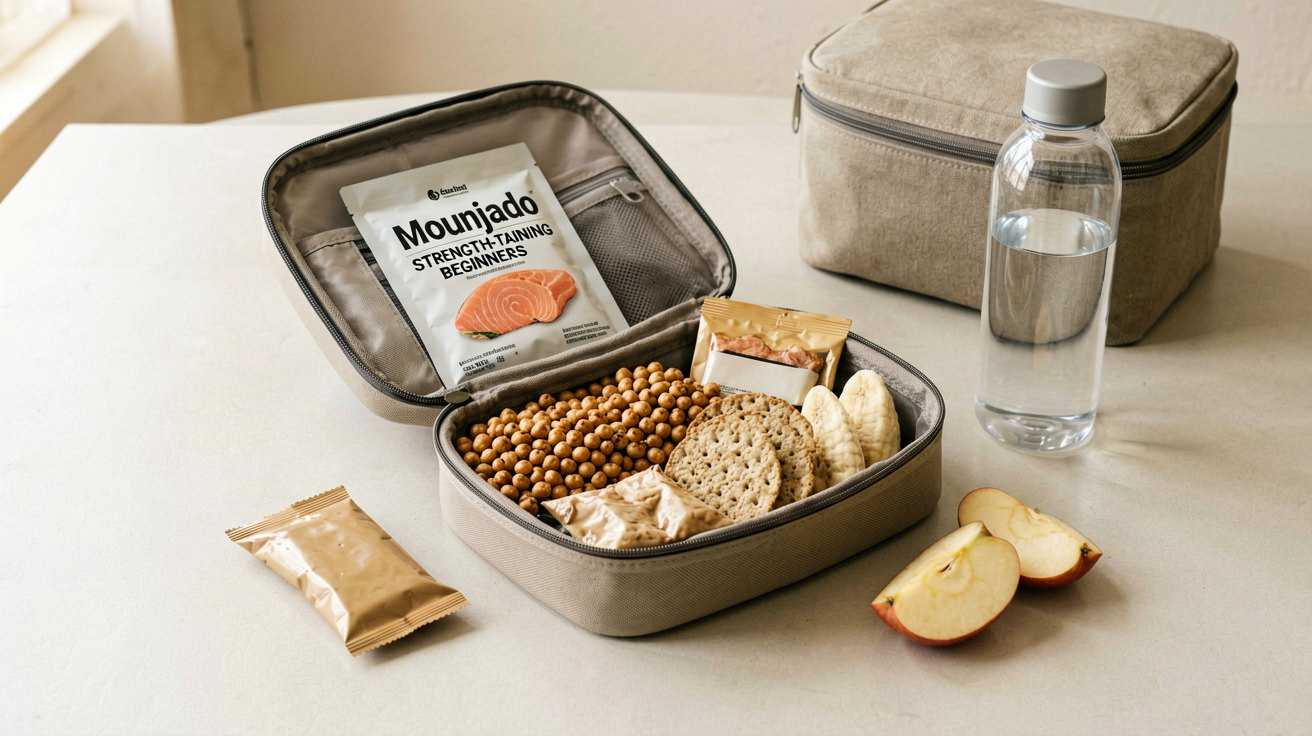
Build a practical travel snack kit
Simple combinations to test at home
- Banana with a single-serve nut butter packet.
- Whole-grain crackers with a tuna pouch and cucumber slices.
- Plain Greek yogurt with oats and berries in a cooler.
- Roasted chickpeas with an apple or applesauce pouch.
- Edamame with rice crackers and a small orange.
- A lower-sugar protein bar with water and a piece of fruit.
- Hard-boiled egg with toast or crackers, if eggs are comfortable for you.
Match the snack to the travel and workout window
Before a beginner strength session
If you have eaten a regular meal recently, you may only want a small snack or no snack at all. If you are hungry, try a modest combination such as half a banana with nut butter, crackers with a little protein, or yogurt with oats. Avoid treating a pre-workout snack as a requirement. Your appetite, schedule, and clinician-approved exercise plan should guide the decision.
After training
After a session, choose a snack or meal that provides protein and foods you can comfortably eat. Yogurt with fruit, a tofu and rice bowl, eggs with toast, or a sandwich half can all be practical. If you will reach a full meal soon, you may not need a separate large recovery snack. Pack components so you can eat a smaller amount and finish later if fullness arrives quickly.
During a long flight, road trip, or conference day
Prioritize foods that can be eaten in stages. A small bar, fruit, crackers, and a protein pouch may serve you better than one oversized meal. At a restaurant or airport, look for a protein anchor, a fruit or vegetable side, a simple carbohydrate, and a sauce or dressing on the side when possible. You can order a smaller portion, share, or save part for later. This approach also works for travel snacks for busy professionals on Mounjaro who move between meetings and do not control the menu.
Vegetarian and vegan travel options
Vegetarian travelers can use yogurt, cheese, eggs, edamame, roasted chickpeas, tofu, lentil packets, nuts, seeds, and nut butter. Choose several different sources rather than depending on cheese or bars alone. If you are vegan, look for shelf-stable soy beverages, tofu, edamame, hummus cups, roasted beans, lentil pouches, nuts, seeds, and fortified products. Check labels because plant-based products vary in protein, calcium, sodium, and added sugar.
People looking for breakfast ideas for vegans on Mounjaro can start with the same three questions: Is there a protein source? Is there a food I can digest comfortably? Is the portion realistic for my appetite and schedule? If the answer is yes, the meal does not need to resemble a restaurant-sized breakfast.
Convenience-store and restaurant strategies
When you cannot use food packed from home, scan the available choices in this order: fluids, a protein food, produce or another carbohydrate, and a portion you can manage. A supermarket may offer Greek yogurt, cheese, boiled eggs, fruit, hummus, edamame, milk, a simple sandwich, or a salad kit. A convenience store may have nuts, fruit, jerky, crackers, milk, or a protein bar. Read the label and select the option with the fewest surprises.
Food safety and packing reminders
Use an insulated cooler and cold packs for foods that require refrigeration. Keep perishable foods cold during transit and follow the storage directions on the package. Wash produce before leaving when appropriate, use clean utensils, and avoid eating food that has been warm for an uncertain length of time. Shelf-stable foods are valuable because they reduce dependence on a cooler, but they still need to be checked for damaged packaging and expiration dates.
Common mistakes for new strength-training travelers
Making the snack too large
Pack smaller portions and keep components separate. You can add more later if you are hungry.
Trying unfamiliar products at the airport
New bars, concentrated fibers, caffeine, sugar alcohols, and supplements may cause discomfort. Test products before the trip and ask a professional about interactions.
Forgetting fluids or expecting guaranteed results
Keep water available, follow your own medical guidance, and remember that a snack plan cannot guarantee muscle gain, weight loss, or a particular body-composition result.
Ignoring persistent symptoms
Persistent vomiting, diarrhea, severe abdominal pain, faintness, or inability to keep fluids down requires medical advice. Do not change your medication plan on your own.
FAQ
What are the best travel snacks for strength training beginners on Mounjaro?
Start with foods you already tolerate: a protein bar with fruit, yogurt with oats, crackers with tuna, roasted chickpeas with an apple, or edamame with rice crackers. Pack a mild backup and water so you have options if appetite changes.
Do I need a protein snack before every workout?
No. The right choice depends on what you have eaten, how you feel, the session timing, and your individualized health and exercise guidance. A snack can be useful when you are hungry or cannot reach a meal, but it is not automatically required.
Are protein bars safe to eat while taking Mounjaro?
A protein bar is a food, not a medication treatment. Read the ingredient and nutrition labels, choose a product you tolerate, and watch for concentrated fiber, sugar alcohols, caffeine, or other ingredients that may cause discomfort. Ask a professional if you have dietary restrictions or medical concerns.
What should I eat if I feel nauseated while traveling?
Choose a simple food you have previously tolerated, take small portions, and keep fluids available. Persistent vomiting, diarrhea, severe abdominal pain, faintness, or inability to keep fluids down warrants prompt medical advice. Do not change your medication plan on your own.
Can I use these ideas for work lunches and breakfast too?
Yes. The same modular formula can be adapted to breakfast, work lunches, and restaurant meals: choose a comfortable protein, add a suitable carbohydrate or produce item, and adjust the portion to your appetite. For a broader starting point, visit the WeightMuse GLP-1 Nutrition hub and the GLP-1 grocery list.
Make the next trip easier
Before your next journey, write down two shelf-stable proteins, two easy carbohydrates, two produce choices, one cooler option, and one mild backup. Test one combination at home. Then pack separate portions and a refillable bottle. For more planning help, review the protein intake planning guide, the high-protein meal-prep guide for weight-loss maintenance, and the related meal-prep guide for people in menopause on GLP-1.
A good travel snack plan is intentionally ordinary. It gives you enough choice to handle a delayed flight, a new workout, an unexpected meeting, or a low-appetite day without turning eating into a test. Keep the foods familiar, portions flexible, and health decisions connected to your own care team.
Sources and further reading: FDA Mounjaro Prescribing Information; National Institute on Aging: Healthy Meal Planning; NIA: Healthy Eating and Protein Food Groups.
Health note: WeightMuse provides general education, not diagnosis or individualized medical advice. Speak with your prescriber, pharmacist, registered dietitian, or qualified exercise professional about Mounjaro side effects, diabetes treatment, kidney disease, allergies, supplements, persistent gastrointestinal symptoms, exercise progression, or a plan tailored to you.