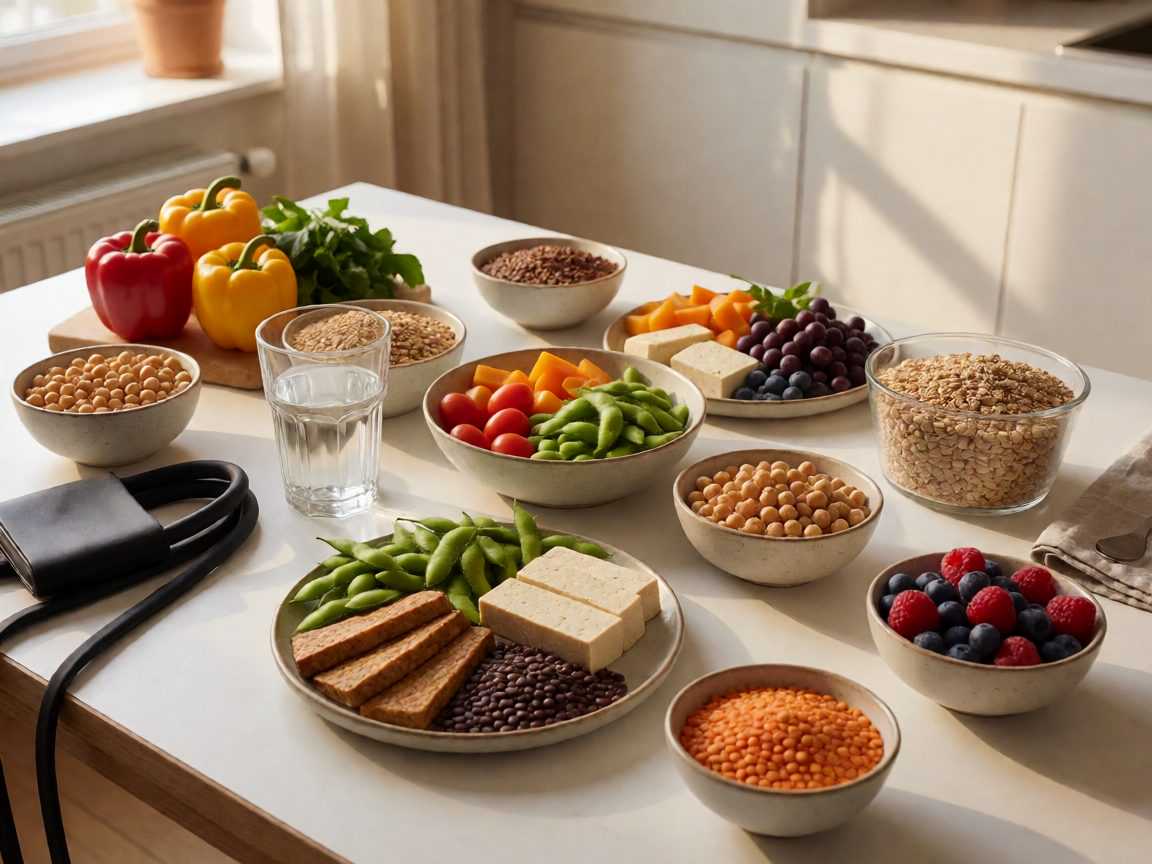
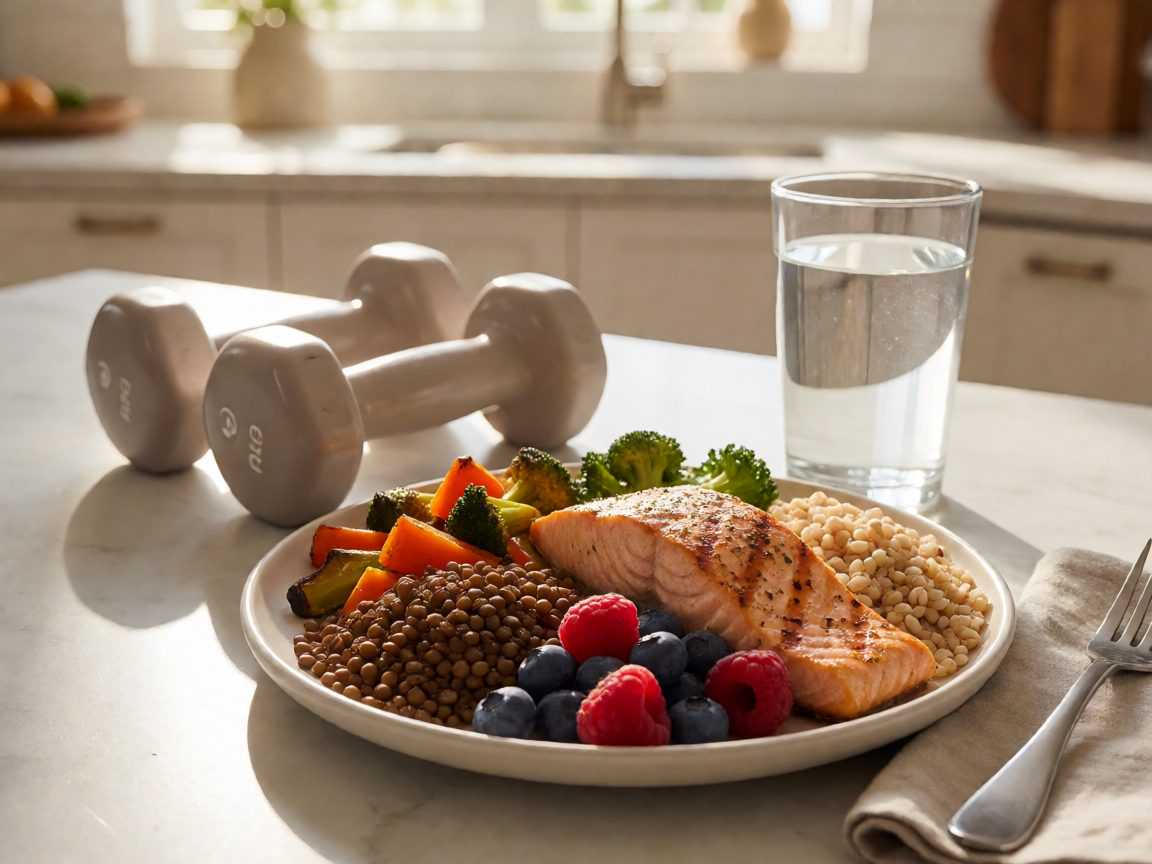
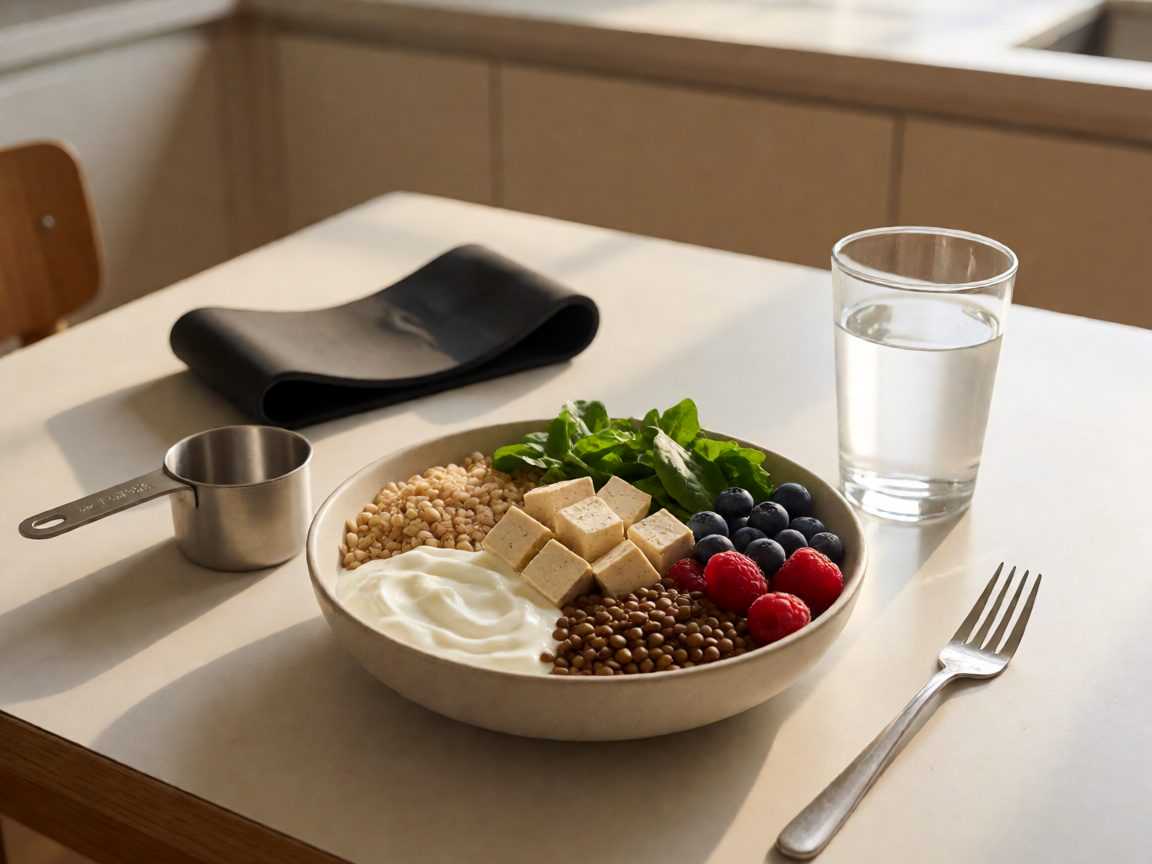
Quick answer: Meal prep for people in menopause on GLP-1 works best when it makes smaller, protein-forward meals easy to reach for without turning food into a rigid prescription. Prepare two or three flexible proteins, one or two gentle carbohydrate options, cooked vegetables, fruit, and easy sources of calcium. Portion meals modestly, keep fluids available, and adjust texture, fat, fiber, and serving size to match your appetite and symptoms.
Menopause and GLP-1 treatment can overlap in ways that make ordinary meal planning feel less predictable. Appetite may be lower, fullness may arrive sooner, and hot flashes, poor sleep, constipation, nausea, or a busy workday can change what sounds tolerable. A useful plan therefore needs to be practical rather than perfect. The goal is not to create a special diet for every symptom. It is to build a short menu of meals you can assemble, refrigerate, and adapt.
This guide is for general nutrition education. Your medication, health history, allergies, kidney function, diabetes treatment, and menopause symptoms all matter. Use the ideas below as a planning framework to discuss with your prescriber or a registered dietitian.
Why meal prep may need a different approach during menopause and GLP-1 treatment
Menopause is a normal stage of aging, but it can bring changes in sleep, temperature regulation, mood, appetite, and body composition. The National Institute on Aging recommends continuing a healthy diet and paying attention to calcium and vitamin D for bone health during and after the menopause transition. That does not mean every meal needs to be heavily optimized. It means a weekly plan should make nutrient-dense choices convenient.
GLP-1 medicines are not all identical, but the FDA prescribing information for Wegovy lists gastrointestinal effects such as nausea, vomiting, diarrhea, constipation, and abdominal discomfort. It also warns that ongoing vomiting or diarrhea can contribute to dehydration and kidney problems. When symptoms are present, a very large, greasy, or highly concentrated meal may be harder to tolerate than a smaller meal with a simple texture. If symptoms are severe or persistent, contact your healthcare professional rather than trying to solve the problem by changing medication use yourself.
The practical implication is simple: prep components, not only complete meals. A container of shredded chicken, baked tofu, lentils, cooked vegetables, and yogurt can become several different meals. This gives you variety while allowing you to make a smaller plate, swap a food that does not feel appealing, or choose a softer option on a difficult day.
The four-part GLP-1 menopause meal-prep framework
1. Choose a protein anchor
Start each meal with a protein food that is easy to portion. Examples include eggs, Greek yogurt, cottage cheese, fish, chicken, turkey, tofu, tempeh, edamame, beans, or lentils. The best option is the one you can eat comfortably and prepare consistently. For a vegetarian plan, combine foods such as tofu, eggs, yogurt, edamame, beans, and lentils across the week. For a vegan plan, use tofu, tempeh, edamame, beans, lentils, and fortified plant beverages, checking labels for protein, calcium, and added sugar.
Do not treat a generic protein number as a personalized prescription. Appetite, body size, activity, kidney health, and medical treatment change what is appropriate. Instead, use a visual planning rule: make protein the first component you pack, keep the portion moderate, and include it in breakfast, lunch, and dinner when tolerated. The National Institute on Aging describes seafood, eggs, beans, nuts, seeds, soy foods, poultry, and lean meats as nutrient-dense protein choices for older adults.
2. Add a gentle carbohydrate and fiber source
Carbohydrates can make meals more satisfying and easier to balance. Useful prep options include oats, potatoes, brown rice, quinoa, whole-grain toast, fruit, beans, or lentils. Fiber is valuable, but adding a very large amount suddenly can worsen bloating or constipation for some people. Increase fiber gradually and pair it with fluids. If a raw salad feels uncomfortable, try roasted vegetables, soup, oatmeal, cooked greens, or peeled fruit instead.
A practical container might include half a cup of cooked oats at breakfast, a small potato or serving of rice at lunch, or beans and vegetables in a soup. These are examples, not fixed prescriptions. Let hunger, fullness, glucose management, activity, and clinical advice guide the portion.
3. Keep calcium and vitamin D foods visible
Bone health deserves attention during and after menopause. The National Institutes of Health Office of Dietary Supplements lists 1,200 milligrams of calcium per day for women ages 51 to 70, but individual needs and supplement decisions should be discussed with a clinician. Food sources can include milk, yogurt, cheese, calcium-fortified soy beverages, calcium-set tofu, kale, broccoli, and canned fish with edible bones. Choose options that fit your dietary pattern and digestive tolerance.
In meal prep, place one calcium-containing option where you will see it: plain yogurt with berries, a fortified soy beverage for oats, tofu in a grain bowl, or a small amount of cheese with a meal. Do not automatically add a calcium supplement just because a meal plan mentions bone health. Supplements can interact with health conditions and medications, and total intake matters.
4. Prepare a hydration and symptom-friendly backup
Keep water, unsweetened tea, broth, or another clinician-approved fluid available. If nausea, vomiting, or diarrhea persists, contact your care team. A backup meal might be yogurt with soft fruit, a simple egg dish, soup with beans or chicken, a smoothie made with a suitable protein source, or toast with a mild topping. A backup is not a “bad” meal; it is a way to keep the plan usable when appetite or symptoms change.
A simple three-day meal-prep pattern
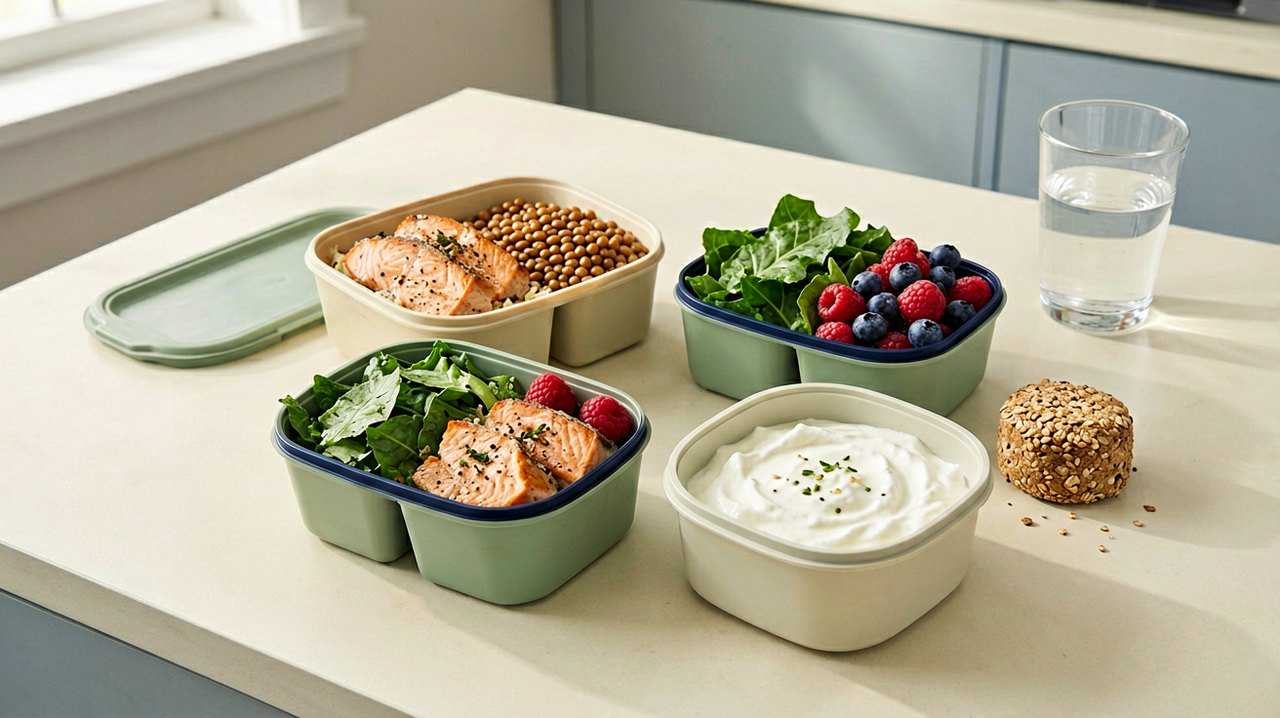
You can prepare this pattern on a weekend or split it into two shorter sessions. Cook one protein, one plant protein, two vegetables, one carbohydrate, and one breakfast base. Keep sauces separate so the same ingredients can become different meals.
Breakfast options
- Plain Greek yogurt with berries, oats, chia seeds, and a small amount of nut butter.
- Two eggs with cooked spinach, a small piece of whole-grain toast, and fruit.
- Overnight oats made with milk or calcium-fortified soy beverage, plus yogurt or a suitable protein addition.
If cold food is unappealing, warm the oats or make a soft egg bowl. If a large breakfast feels too filling, divide it into two smaller eating occasions. The purpose of prep is to make the adjustment easy.
Lunch and dinner options
- Salmon or chicken with roasted vegetables, a small potato, and a yogurt-based sauce.
- Tofu or tempeh with edamame, cooked greens, rice, and a low-sodium dressing.
- Lentil soup with added vegetables, a small portion of whole-grain bread, and fruit.
- Egg salad or mashed white beans with vegetables and whole-grain crackers.
Use the same components in different combinations. A salmon bowl can become a salad if raw vegetables feel comfortable, or a warm bowl with cooked greens if they do not. Tofu can be served with rice one day and added to a soup the next. This reduces decision fatigue and helps prevent a plan from depending on one recipe.
Vegetarian, vegan, and restaurant-meal adaptations
For vegetarians, make sure the prep list includes several protein sources rather than relying on cheese alone. Eggs, Greek yogurt, cottage cheese, tofu, tempeh, edamame, lentils, and beans can provide variety. If you use plant-based meat alternatives, compare labels for protein, sodium, saturated fat, and fiber instead of assuming every product is nutritionally equivalent.
For vegans, prepare two dependable combinations. One could be tofu with edamame and cooked vegetables; another could be lentil soup with a fortified soy beverage or calcium-set tofu at a separate meal. Because fortified products vary, read the label and ask a qualified professional if you are concerned about calcium, vitamin B12, vitamin D, or protein adequacy.
Restaurant meals can fit the same framework. Look for a protein anchor, a vegetable or fruit side, a carbohydrate you enjoy, and a sauce served separately when possible. Order a smaller portion, share a meal, or pack half before eating if fullness arrives quickly. Examples include grilled fish with vegetables and a potato, a tofu and rice bowl with dressing on the side, eggs with whole-grain toast, or a bean-based soup with a simple side. Avoid turning one restaurant meal into a test of willpower. The aim is a comfortable choice you can tolerate and enjoy.
Storage and food-safety habits that make prep sustainable
Cool cooked food promptly, use shallow containers, label the date, and refrigerate foods that require refrigeration. Keep sauces, fresh herbs, and crunchy toppings separate so texture can be changed later. Freeze extra portions if you will not eat them within a safe storage window. Reheat only the portion you plan to eat rather than repeatedly warming the whole container.
Make a two-minute check before packing: Is there a protein option? Is there a food with fiber or produce? Is there a fluid available? Is the portion small enough to feel manageable? Does the meal include a calcium source over the day? This checklist is more useful than tracking every detail when the goal is a repeatable routine.
Common mistakes to avoid
Making every meal too large
A large container can look efficient but may become unappealing when appetite is reduced. Pack smaller portions and keep an extra component available. You can always add more; you do not need to finish a meal that feels uncomfortably filling.
Adding fiber too quickly
Beans, lentils, bran, chia, vegetables, and fruit are useful foods, but a sudden increase can feel unpleasant. Add one fiber-rich change at a time, drink fluids, and adjust the texture. Ask your care team for guidance if constipation is persistent.
Using supplements as a substitute for meals
Protein powders, electrolyte products, and vitamin supplements may be useful in specific situations, but they are not automatically necessary. They can contain added sugar, stimulants, sodium, or ingredients that do not fit your health needs. Review them with a healthcare professional, especially if you take prescription medicines.
Ignoring symptoms because the plan looks healthy
A nutritious meal is not automatically appropriate during a symptom flare. Persistent vomiting, diarrhea, severe abdominal pain, inability to keep fluids down, faintness, or signs of dehydration require prompt medical advice. Do not change a GLP-1 dose or stop treatment without instructions from the prescribing clinician.
FAQ
What is the best first meal to prep on GLP-1 during menopause?
Choose a meal you already tolerate: for example, yogurt with berries and oats, eggs with cooked vegetables, tofu with rice, or a mild lentil soup. Start with a modest portion and keep the rest available separately.
Can meal prep for people in menopause on GLP-1 be vegetarian?
Yes. Use a rotating mix of eggs, dairy, tofu, tempeh, edamame, beans, and lentils. A dietitian can help you check protein, calcium, vitamin B12, vitamin D, and overall energy intake if your food choices are limited.
What if I cannot tolerate high-fiber foods?
Try cooked vegetables, peeled fruit, oats, soft beans in small portions, or soup, and increase fiber gradually. If constipation, pain, nausea, or vomiting persists, ask your clinician rather than forcing a food that makes symptoms worse.
Should I follow a fixed calorie or protein target?
Not without individualized guidance. Medication, medical history, activity, kidney function, and appetite all matter. Use this guide to organize balanced options, then ask a qualified professional for targets that fit you.
Build the next week from one repeatable template
For the next grocery trip, choose two protein anchors, two cooked vegetables, one carbohydrate base, two fruits, one calcium-containing food, and one backup meal. Prep enough for a few combinations rather than seven identical containers. If you want a broader plan, start with the WeightMuse GLP-1 Nutrition hub, review the protein intake planning guide, and use the high-fiber foods guide for gradual fullness support. For longer-term routines, see high-protein meal prep for weight-loss maintenance and the daily fiber target guide for GLP-1 users.
Meal prep should make the next decision easier, not make you feel as if you have failed when appetite changes. Build a small collection of meals that are flexible, nourishing, and comfortable enough to repeat. Then adjust with your care team as your symptoms, medication plan, and health goals change.
Sources and further reading: National Institute on Aging: What Is Menopause?; NIA: Healthy Eating as You Age; NIH Office of Dietary Supplements: Calcium Fact Sheet; FDA Wegovy Prescribing Information.
Health note: WeightMuse provides general education, not diagnosis or individualized medical advice. Speak with your prescriber or a registered dietitian about medication side effects, persistent gastrointestinal symptoms, diabetes treatment, kidney disease, osteoporosis risk, supplements, pregnancy-related concerns, or a nutrition plan tailored to you.