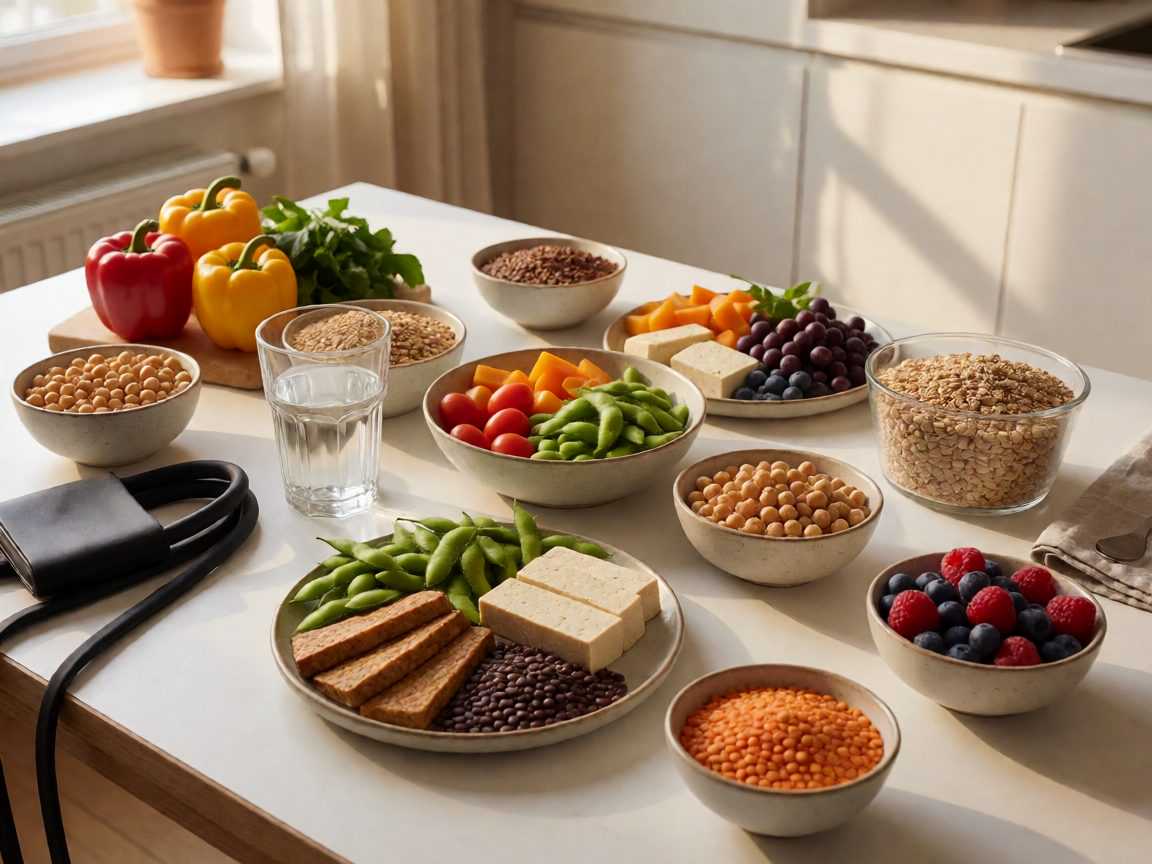
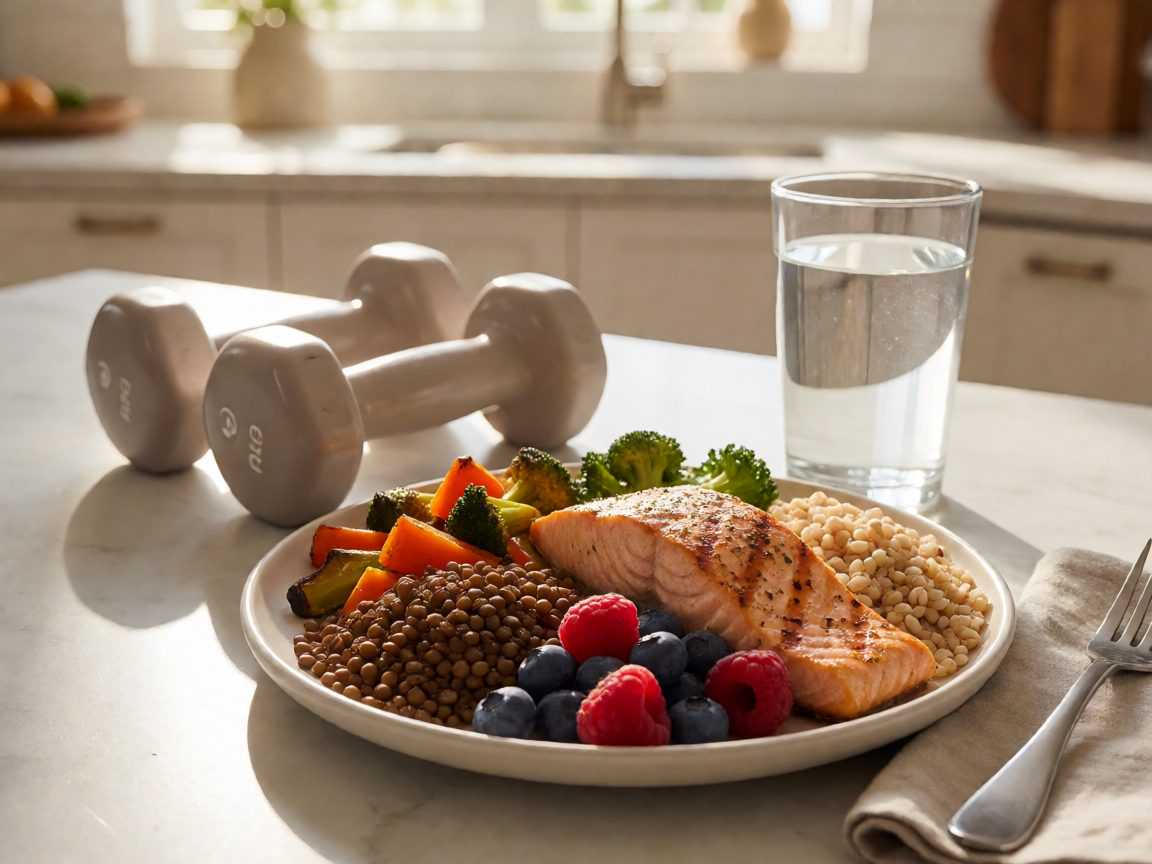
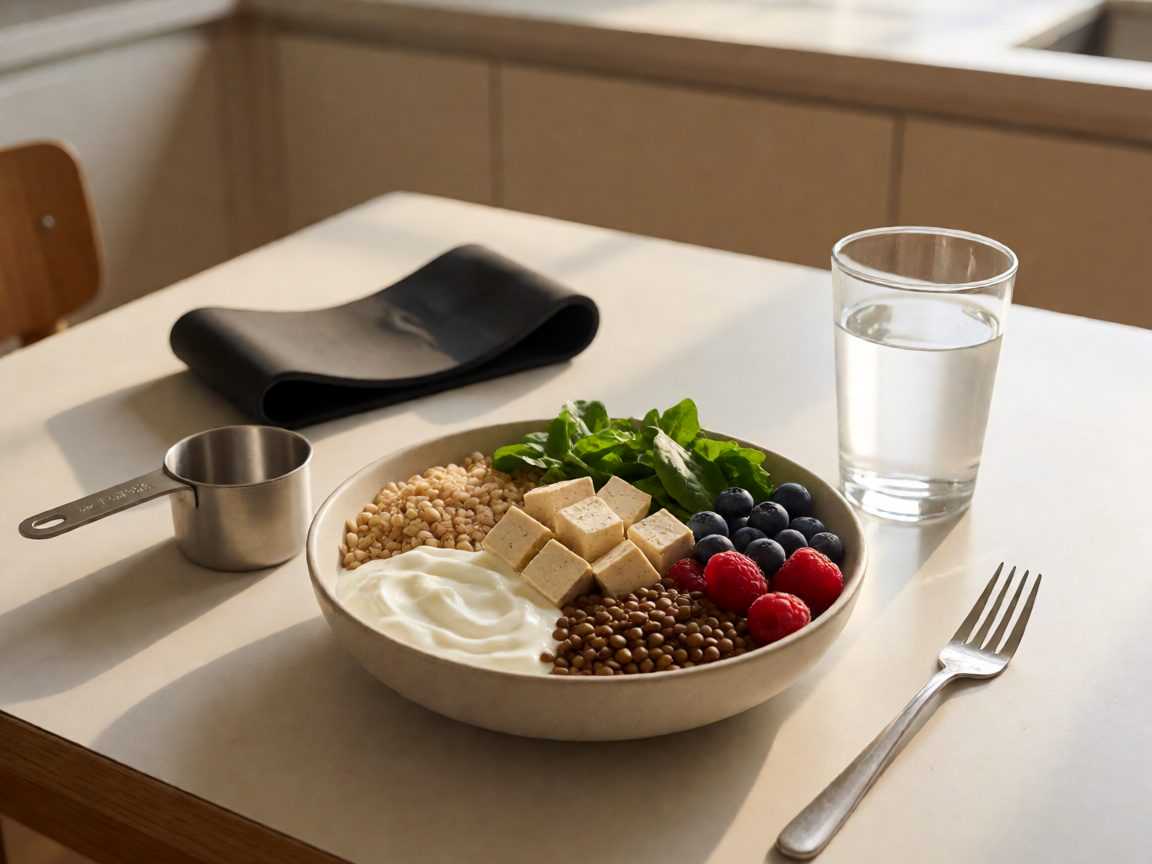
Quick answer: The best work lunches for people with PCOS on tirzepatide are simple, moderate portions built around a protein food, vegetables or fruit, a fiber-rich carbohydrate when tolerated, and enough fluid to make the meal practical. Think a chicken-and-grain bowl, tofu salad with beans, Greek yogurt with fruit and oats, or a soup-and-sandwich combination. The goal is not a special “PCOS diet” or a guaranteed weight-loss menu. It is a repeatable lunch that supports nourishment, comfortable eating, and the guidance you already receive from your healthcare team.
Tirzepatide is a prescription medicine with important safety information and potential gastrointestinal effects. Food choices can make a workday easier, but lunch ideas do not replace medical advice, medication instructions, or an evaluation of persistent symptoms. If you use tirzepatide for diabetes, weight management, or another clinician-directed reason, keep your prescriber informed about appetite changes, vomiting, diarrhea, dehydration, or difficulty eating enough.
What makes a work lunch useful when you have PCOS?
Polycystic ovary syndrome (PCOS) is not managed by one universal menu. The 2023 International Evidence-Based Guideline for PCOS describes healthy eating and physical activity as core lifestyle considerations and emphasizes working with individual preferences, goals, and circumstances. That leaves room for many eating patterns. A practical lunch can include protein, high-fiber foods, colorful produce, and a carbohydrate source that fits your culture, appetite, budget, and glucose-management plan.
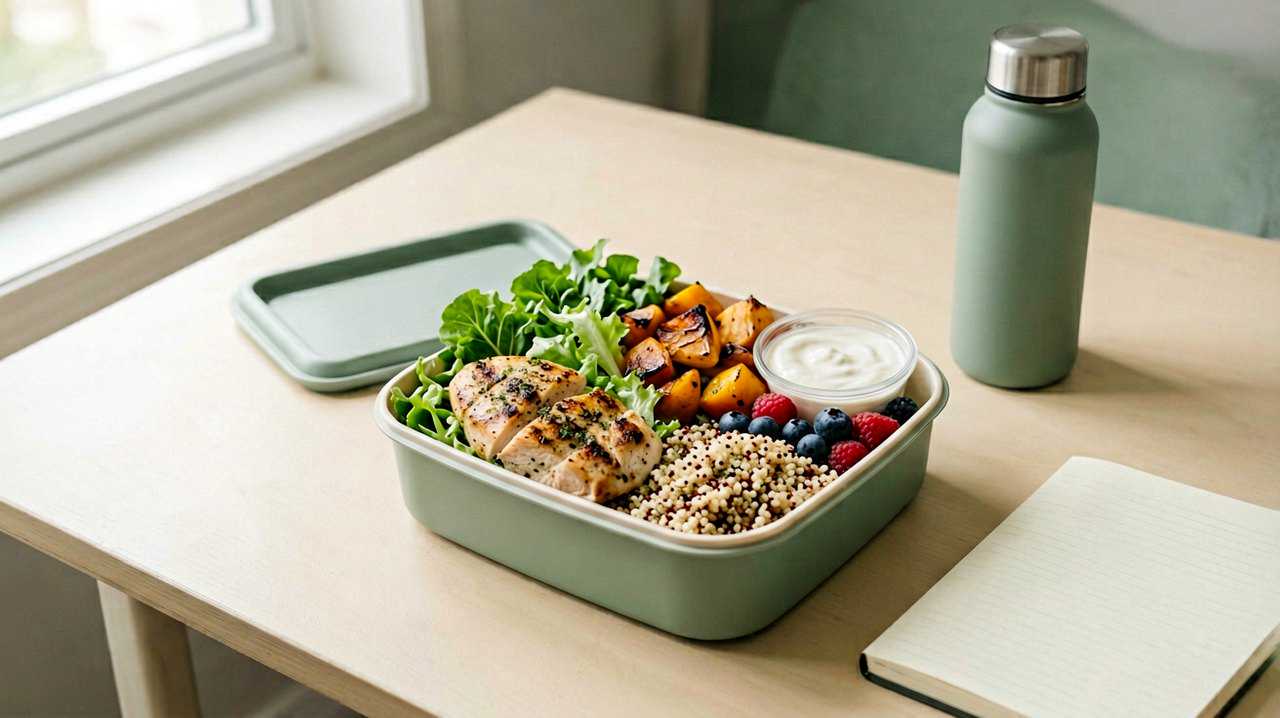
For an office lunch, usefulness matters as much as nutrition. A meal should be easy to pack, safe to store, appealing after several hours, and flexible when your appetite is smaller than usual. It should also be easy to scale down without leaving you with only a few bites of food. This is why modular lunches work well: keep the protein, produce, and dressing separate, then assemble the amount you want.
A simple lunch-building formula
- Protein: chicken, fish, eggs, tofu, tempeh, beans, lentils, cottage cheese, or plain Greek yogurt. Use a portion that looks realistic for your appetite rather than forcing a large serving.
- Fiber-rich produce: leafy greens, cucumbers, peppers, carrots, berries, apples, beans, lentils, or a vegetable-based soup. Increase fiber gradually if your usual intake is low.
- Optional carbohydrate: oats, quinoa, brown rice, potatoes, whole-grain bread, beans, or fruit. Choose the format that you digest comfortably and that fits your clinician’s advice.
- Flavor and moisture: salsa, yogurt-based dressing, lemon, herbs, broth, or a small amount of olive-oil dressing. A dry lunch is harder to enjoy and may be less appealing when appetite is reduced.
- Fluid: water or another beverage that fits your medical plan. Sip regularly rather than waiting until you feel very thirsty.
This formula is a planning tool, not a prescription. You can use half a sandwich, a smaller bowl, or a snack-sized meal and save the rest if that feels better. A lunch does not need to be perfect to be useful.
Five work lunch ideas for people with PCOS on tirzepatide
1. Chicken, tofu, or bean grain bowl
Start with a small container of cooked quinoa, brown rice, or potatoes. Add a modest portion of chicken, tofu, tempeh, or beans, then fill the remaining space with roasted vegetables, cucumber, tomatoes, or greens. Pack salsa, lemon, or a yogurt-based sauce separately so the bowl stays fresh.
For a smaller appetite, treat the grain and protein as separate components. Eat the protein and vegetables first if that feels comfortable, then decide whether you want the rest. For a vegetarian lunch, use tofu plus edamame or beans. For a dairy-free option, use tahini-lemon dressing. The meal also works as a GLP-1 nutrition lunch template because it can be portioned without changing the basic ingredients.
2. Soft egg and vegetable lunch box
Pack two small egg muffins or hard-boiled eggs with sliced tomatoes, steamed green beans, fruit, and a piece of whole-grain toast. Eggs are convenient, but they do not have to be the only protein: add cottage cheese, tofu cubes, or a small serving of lentil salad if you prefer.
This lunch is useful on days when strong smells are unappealing. Keep the eggs chilled, use a leakproof container, and add a mild dip such as plain yogurt with herbs. If a full lunch feels like too much, eat the egg and fruit first and keep the vegetables or toast for later.
3. Lentil soup with a simple side
A thermos of lentil, chicken, or vegetable-bean soup can be easier to eat than a dry meal. Look for a soup with a clear protein ingredient and vegetables, then pair it with a small whole-grain roll, crackers, or a side of fruit. If store-bought soup is high in sodium, compare labels and balance it with lower-sodium foods during the rest of the day rather than trying to eliminate every convenience item.
Soup also makes a useful freezer meal. Freeze individual portions, label the date, and thaw one in the refrigerator. Keep crunchy toppings separate so texture remains appealing. If legumes cause bloating, try a smaller portion and increase gradually, or choose a chicken-and-vegetable version instead.
4. Greek yogurt, oats, and fruit parfait
For a cold lunch, layer plain Greek yogurt with berries, oats, chia seeds, and a few nuts or pumpkin seeds. Select unsweetened or lower-sugar products if that fits your preferences, and check the label because protein and added sugar vary by brand. If dairy is not a fit, use a fortified soy yogurt or another option that provides meaningful protein.
Make the oats and seeds a small add-on rather than a large bowl if you are not very hungry. You can also pack the fruit separately to adjust the texture. This is one of the easiest protein, fiber, and hydration grocery-list combinations to keep at work.
5. Turkey, tuna, or chickpea sandwich with produce
Use whole-grain bread or a wrap, a protein filling, and a mild spread such as hummus, mashed avocado, or yogurt dressing. Add lettuce, cucumber, or shredded carrot for texture. Pair the sandwich with fruit or a small vegetable cup instead of automatically adding a large side.
For a vegetarian version, mash chickpeas with yogurt or tahini, or use tofu salad. For a fish version, choose a preparation you enjoy and follow food-safety guidance for refrigeration. If bread feels heavy, turn the same ingredients into lettuce cups or a small salad with crackers on the side.
How to portion lunch without making it complicated
Appetite can change from day to day. Instead of preparing a rigid meal that must be finished, pack a “main plus optional” lunch. The main can be a protein portion with vegetables or soup. The optional part can be fruit, grains, toast, yogurt, or a small treat. This structure lets you stop when comfortable and return to the optional item later if your workplace storage is safe.
Use small containers, snack-size portions, and resealable packaging. A half portion is not a failure; it is a useful way to avoid wasting food when appetite is unpredictable. If you repeatedly cannot finish enough food to meet your nutritional needs, contact your clinician or a registered dietitian. Avoid turning reduced appetite into a reason to skip fluids or all protein-containing foods.
Protein and fiber details to check
When comparing packaged lunches, look beyond calories. Check the protein amount, fiber amount, added sugar, sodium, and serving size on the label. There is no single protein target that is right for every person with PCOS or every person taking tirzepatide. Body size, activity, age, kidney health, pregnancy status, diabetes treatment, and total intake can change what is appropriate.
For fiber, build gradually from foods you tolerate. Beans, lentils, vegetables, fruit, oats, and whole grains can contribute fiber, but a sudden large increase may be uncomfortable. Pair fiber-containing foods with adequate fluid, unless your clinician has given you a different fluid plan. If constipation, abdominal pain, or bloating persists, ask for individual advice rather than adding multiple fiber supplements at once.
Restaurant meals for strength training beginners on tirzepatide
When lunch is bought at a restaurant, use the same modular approach. Choose a protein-centered entrée, add a vegetable or bean side, and request sauces separately when possible. A grilled chicken salad, tofu bowl, bean-and-rice plate, broth-based soup with a half sandwich, or fish with vegetables can all work. Ask for a smaller portion, share an entrée, or save part for later if that feels more comfortable.
Strength training beginners may want a meal that includes protein and some carbohydrate, but the exact amount depends on the rest of the day and the person’s plan. Avoid promising that a particular lunch will prevent muscle loss or change PCOS symptoms. Food supports training; it does not replace a gradual exercise plan, recovery, or clinical care.
Useful questions when ordering include: Can the dressing be served separately? Is there a half-size option? Can I substitute vegetables or beans? Can the meal be packed in a way that supports food safety? These questions are practical, not restrictive.
Build a grocery list for strength training beginners on tirzepatide
Keep a short grocery list that supports several lunches rather than shopping for one elaborate recipe. Choose two proteins, two vegetables, two fruits, one grain or bread, one easy sauce, and one backup food. Examples include eggs and tofu; salad greens and frozen vegetables; berries and apples; oats or whole-grain wraps; yogurt dressing; and a shelf-stable tuna or bean option.
Prepare only the parts that save time. Wash produce, cook one protein, portion soup, and place grab-and-go items at eye level. Store sauces separately. A “mix and match” plan is more resilient than a menu that depends on having the same appetite every day.
When to get medical or nutrition support
Contact your healthcare professional if you have persistent vomiting or diarrhea, signs of dehydration, severe or continuing abdominal pain, trouble keeping food or fluids down, or a sudden inability to eat enough. The FDA prescribing information for Mounjaro contains important warnings and precautions; use it as a medication reference together with your prescriber, not as a reason to change treatment yourself.
PCOS can involve menstrual, metabolic, fertility, skin, mood, and other concerns. A work-lunch article cannot diagnose the cause of a symptom or determine whether tirzepatide is appropriate. If you are pregnant, trying to conceive, breastfeeding, managing diabetes, or taking medicines that affect blood glucose, ask your clinician for individualized guidance before changing your eating pattern.
FAQ
Is there one best lunch for PCOS while taking tirzepatide?
No. A useful lunch is one you can tolerate, store safely, and repeat. Start with protein and produce, add a fiber-rich carbohydrate if it suits you, and adjust the portion to your appetite and medical plan.
Should I avoid carbohydrates at lunch?
Not automatically. Oats, potatoes, fruit, beans, rice, and whole-grain bread can all fit into balanced meals. Choose portions and foods that work with your preferences, digestion, activity, and clinician’s advice.
What if I feel full after a few bites?
Stop if you feel comfortably satisfied, keep the food safely chilled, and return to it later if appropriate. If this happens often or makes it difficult to meet basic nutrition or hydration needs, ask a clinician or dietitian for support.
Can a lunch cure PCOS or guarantee weight loss?
No. A single meal cannot cure PCOS or guarantee a weight result. It can support a consistent routine, and healthy lifestyle care is one part of comprehensive PCOS management.
Keep the plan practical
Choose two lunches you genuinely like, prepare their components once or twice a week, and keep one shelf-stable backup at work. Review the plan after a few days: Which foods felt comfortable? Which portions were too large? Did you have enough fluid? Did the lunch keep you satisfied until the next planned eating time? Small adjustments are more sustainable than starting over.
For more ideas, browse the meal-prep guide, the vegetarian snack guide, and the meal-planning and tracking tools. If your focus is longer-term consistency, the weight-maintenance resources can help you build routines beyond one lunch.
Health boundary: This article provides general nutrition information and is not medical advice. It does not recommend a tirzepatide dose, diagnose PCOS, or replace care from a qualified professional. For medication questions, persistent symptoms, or an eating plan tailored to your health history, speak with your clinician.
Sources: FDA Mounjaro prescribing information; 2023 International Evidence-Based PCOS Guideline summary; National Institute on Aging meal-planning guidance.