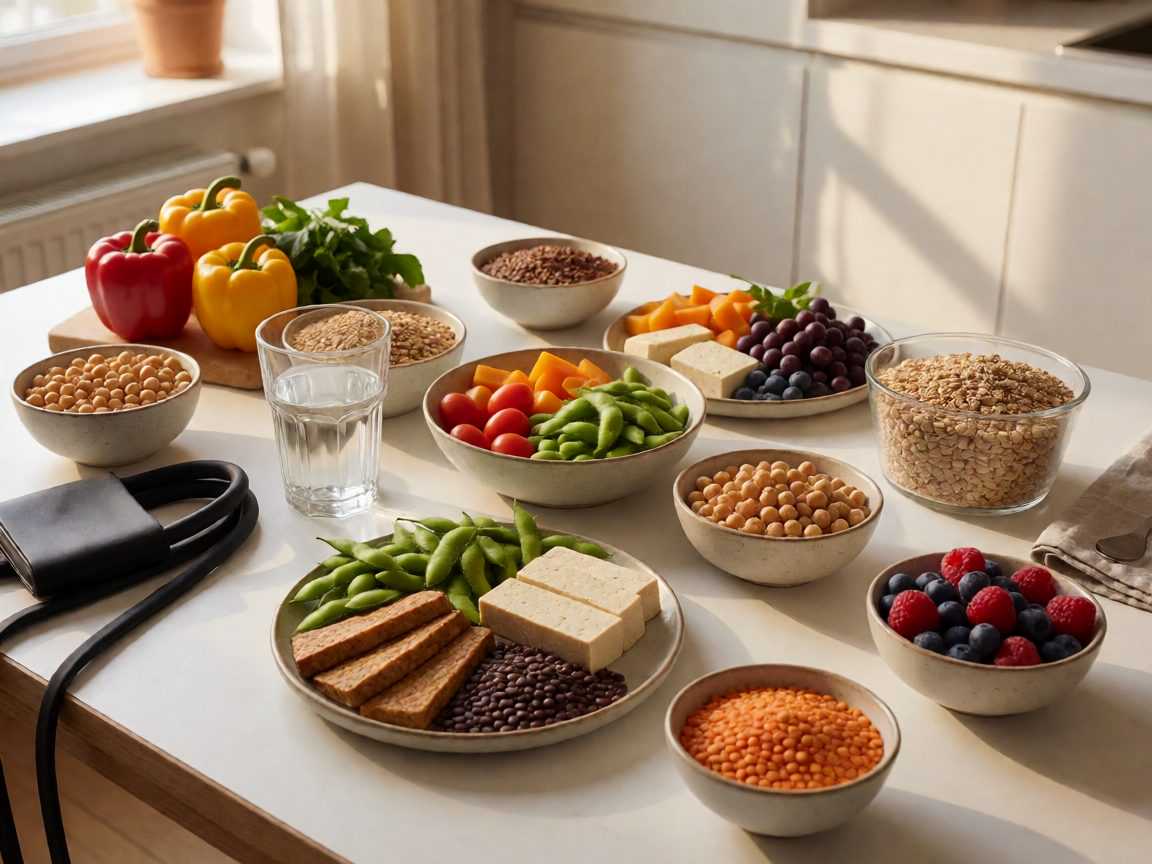
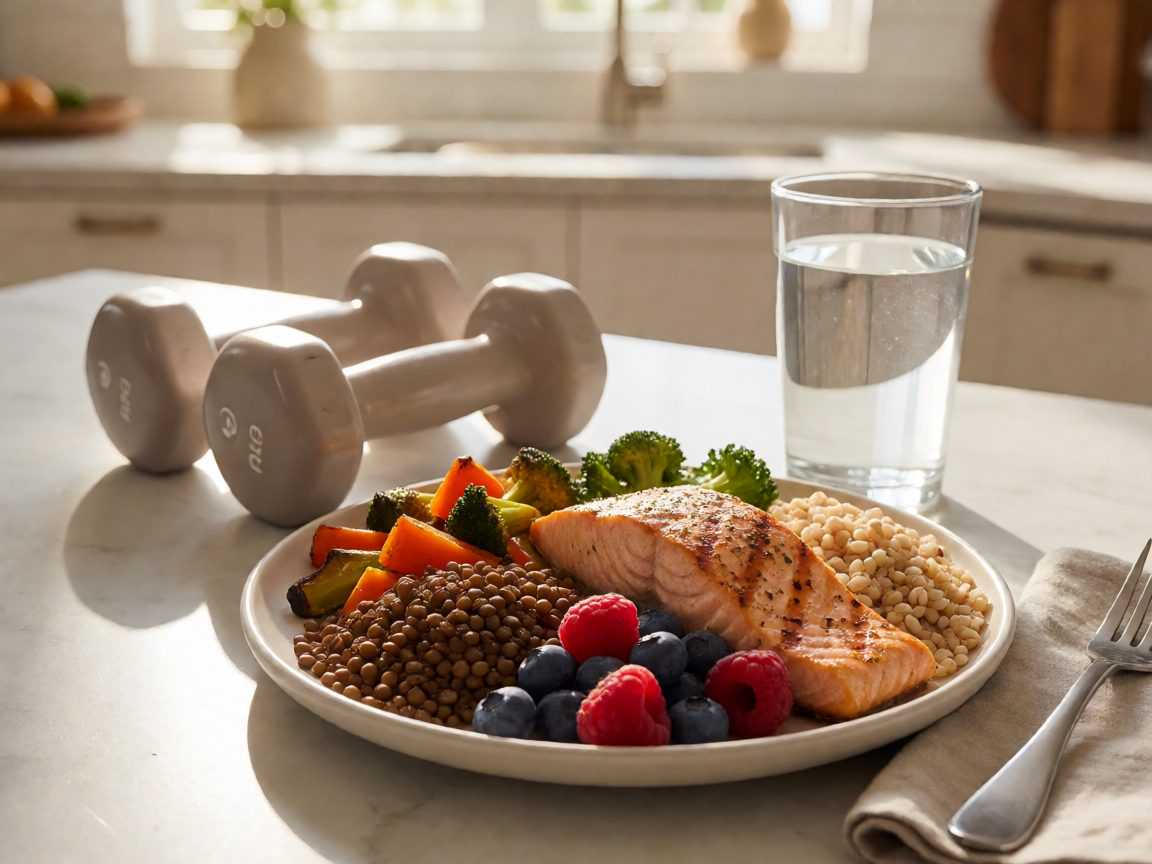
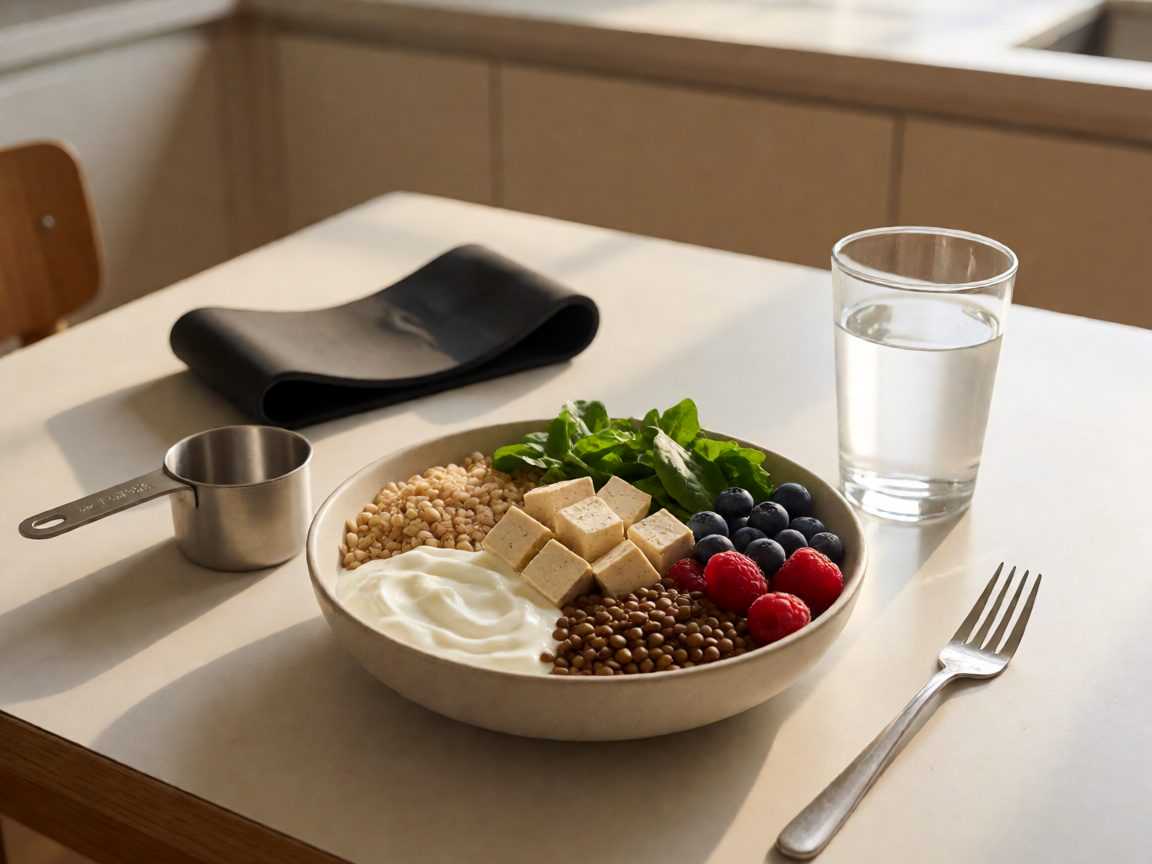
Quick answer: The most useful grocery list for people with PCOS on Zepbound is a flexible list of protein foods, vegetables, fruit, fiber-rich carbohydrates, fluids, and easy backup meals. Start with foods you can digest comfortably and prepare repeatedly: eggs or tofu, chicken or fish, beans or lentils, plain yogurt, frozen vegetables, berries, apples, oats, potatoes, whole-grain wraps, hummus, and a simple soup. Build portions around your appetite and healthcare plan rather than chasing a guaranteed weight result.
Zepbound is a prescription medicine with important warnings and possible gastrointestinal effects. A grocery list can make meals easier, but it cannot replace prescribing information, dose instructions, or clinical care. Tell your prescriber about ongoing nausea, vomiting, diarrhea, constipation, dehydration, severe abdominal pain, or trouble eating enough. Do not change treatment based on this article.
What a PCOS-friendly Zepbound grocery list should do
Polycystic ovary syndrome is not managed by one universal diet. The 2023 International Evidence-Based Guideline for PCOS supports healthy lifestyle behaviors and emphasizes shared decisions that respect personal preferences, goals, and circumstances. A useful list can include many cuisines and eating patterns. The practical objective is to make balanced food available without making meals rigid or overwhelming.
When appetite is smaller, shopping for large quantities of unfamiliar foods can create waste. Choose ingredients that work in more than one meal. Eggs can become breakfast, a lunch-box protein, or a quick dinner. Frozen vegetables can go into soup, omelets, bowls, or stir-fries. Beans can fill a salad, wrap, grain bowl, or snack plate.
The flexible grocery formula
- Protein foods: eggs, chicken, fish, tofu, tempeh, beans, lentils, cottage cheese, plain Greek yogurt, or fortified soy yogurt.
- Vegetables: leafy greens, frozen mixed vegetables, peppers, cucumbers, tomatoes, carrots, zucchini, green beans, or a low-prep vegetable soup.
- Fruit: berries, apples, oranges, bananas, melon, or another fruit you enjoy and tolerate.
- Fiber-rich carbohydrates: oats, potatoes, quinoa, brown rice, beans, lentils, whole-grain bread, or whole-grain wraps.
- Flavor and moisture: hummus, salsa, lemon, herbs, broth, yogurt dressing, tahini, or a small amount of olive-oil dressing.
- Fluids and backups: water, unsweetened drinks that fit your plan, shelf-stable beans, whole-grain crackers, or a simple protein option.
This formula is a planning aid, not a medical prescription or calorie target. Use smaller packages when appetite is unpredictable. If you have diabetes, kidney disease, food allergies, or another condition that changes your diet, ask a qualified professional to adapt the list.
Protein foods to put in the cart
Animal-based choices
Choose eggs, chicken, turkey, fish, or seafood in forms that are easy to prepare. Plain yogurt and cottage cheese provide convenient cold options. Canned tuna or salmon can work for a quick bowl or sandwich; compare labels for sodium if that matters for your plan.
Buy portions that match your household and storage capacity. A small pack of cooked chicken, frozen fish, or a few eggs may be more useful than a bulk package that sits unused. Keep raw and cooked foods separate, refrigerate promptly, and follow food-safety instructions.
Plant-based choices
Tofu, tempeh, edamame, beans, lentils, and fortified soy yogurt can help a vegetarian or vegan household build meals around protein. Canned beans are convenient; rinse them if you prefer to reduce some surface sodium. Choose canned lentils when convenience matters more than cooking from scratch.
If beans or lentils cause bloating, try a smaller amount or a smoother preparation such as hummus or blended soup, and increase gradually if comfortable. Persistent symptoms should be discussed with a healthcare professional rather than managed by adding several supplements.
Vegetables and fruit for easy fiber
Fiber can come from vegetables, fruit, beans, lentils, oats, and whole grains. Increase these foods gradually if your current intake is low. Frozen vegetables require little preparation and can be added to soup, eggs, rice, or a bowl. Prewashed greens and baby carrots can help on busy days; convenient versions can still be useful.
Choose fruit that is easy to see and use. Berries can be added to yogurt, apples travel well, bananas work with a nut-butter packet, and oranges make a simple desk snack. There is no need to avoid fruit solely because you use Zepbound. Portion and preparation should reflect appetite, digestion, preferences, and clinician guidance.
Make high-fiber foods easier to use
- Keep frozen vegetables beside foods you already reach for.
- Buy one fresh fruit and one longer-lasting fruit.
- Use beans in two forms, such as whole beans for bowls and hummus for wraps.
- Choose oats or whole-grain wraps for fast meals.
- Pair fiber-containing foods with fluids unless your professional has given another plan.
Carbohydrates that can fit the plan
A PCOS grocery list does not need to remove every carbohydrate. Oats, potatoes, rice, quinoa, fruit, beans, lentils, bread, and wraps can all be part of balanced meals. The right choice depends on tastes, activity, glucose-management plans, digestion, and total intake.
Buy small quantities of two or three options instead of chasing a rigid “best carbohydrate” list. One cooked grain can support several bowls, while potatoes can become a side, soup ingredient, or egg dish. If a food feels too heavy, use a smaller amount or save it for later when safe.
Five meal combinations from one shop
1. Tofu and vegetable bowl
Combine tofu or chicken with frozen vegetables and a small portion of rice or quinoa. Add salsa, lemon, or yogurt-based sauce. Keep components separate if you want to adjust portions.
2. Egg, potato, and greens plate
Use eggs, cooked potatoes, and leafy greens with herbs. Add fruit if you want a fresh side. This meal is familiar and easy to scale down.
3. Lentil soup and yogurt
Pair lentil or bean soup with plain yogurt or fortified soy yogurt. Add whole-grain crackers only if you want them. Soup can be easy to portion when appetite is reduced.
4. Chicken or chickpea wrap
Fill a whole-grain wrap with chicken, tuna, tofu, or mashed chickpeas, then add lettuce, cucumber, tomato, and hummus. Make a half wrap when a full one feels too large.
5. Greek yogurt and oat cup
Layer plain Greek yogurt or fortified soy yogurt with berries, oats, and seeds. Check the label because protein and added sugar vary by brand. Pack toppings separately if texture matters.
How to shop when appetite is unpredictable
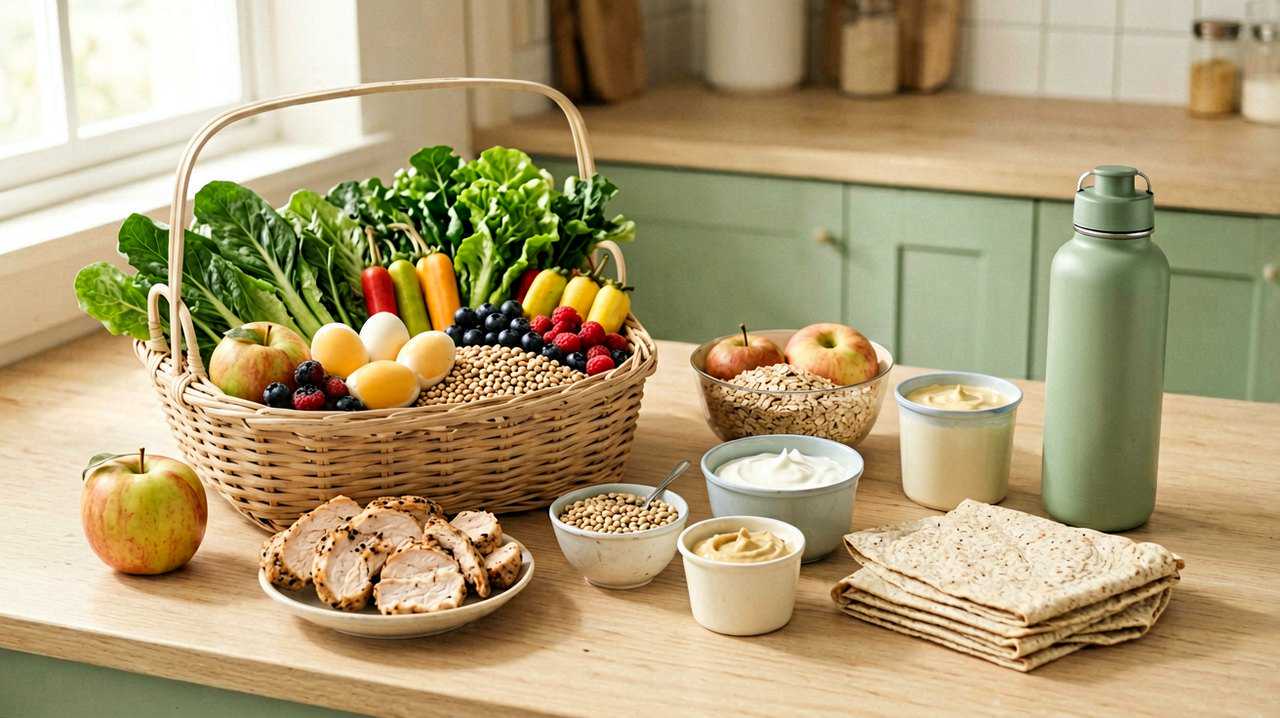
Use a “main plus optional” approach. Buy a main protein and vegetable combination, then optional foods such as fruit, oats, bread, yogurt, or crackers. This gives you a complete meal without requiring you to finish every component.
Choose single-serve or freezer-friendly items when food waste is a concern. Portion soup into small containers, freeze extra bread, and keep sauces in small jars. A two-day prep can be more realistic than preparing a full week of identical meals. If you repeatedly cannot eat enough to maintain your usual activities, contact a clinician or registered dietitian.
Travel snacks for men over 50 on Zepbound
Travel snacks should be portable, mild, and easy to portion. Options include plain yogurt with a cooler, cheese with whole-grain crackers, a boiled egg, a banana with nut butter, roasted chickpeas, tofu, a bean pouch, or an oat cup.
Choose one protein option and one produce or carbohydrate option. Keep perishable foods cold, check travel restrictions, and bring water when permitted. If travel nausea or reduced appetite persists, ask a professional for guidance; do not use a snack schedule to change medication instructions.
Lunch ideas for strength training beginners on Zepbound
If you are beginning strength training, make lunch easy to assemble and include a protein food plus a carbohydrate or fruit option if that suits your routine. Examples include tofu and rice with vegetables, chicken and potato salad, lentil soup with toast, or yogurt with oats and berries.
The exact protein amount is individual. Training status, age, body size, kidney health, medications, and total daily food all matter. Avoid claims that one lunch can prevent muscle loss or guarantee an outcome. Food supports training, but gradual exercise, recovery, hydration, and clinical care matter too.
Lunch ideas for people with PCOS on Zepbound
Build lunches from the same list: a protein portion, vegetables or fruit, a fiber-rich carbohydrate if tolerated, and a dressing or broth for moisture. A chicken-and-grain bowl, tofu wrap, bean salad, egg box, or yogurt-and-oat cup can all work. The best option is the one you can prepare, store safely, and eat comfortably.
There is no single PCOS lunch that fits everyone. The International PCOS Guideline emphasizes healthy lifestyle behaviors and shared decisions rather than a one-size-fits-all menu. Use your healthcare team’s advice if you also manage diabetes, blood pressure, kidney disease, fertility concerns, or food allergies.
Travel snacks for people with PCOS on Zepbound
For a short trip, pack shelf-stable options such as whole-grain crackers, nut butter, roasted chickpeas, an oat cup, or a bean pouch. For longer travel, add chilled yogurt, an egg, tofu, or hummus with a small cooler. Include a fruit that travels well and water when allowed.
Pack modest portions and stop eating when comfortably satisfied. If a texture or smell is difficult, choose a milder alternative. Food safety is more important than finishing a portion that no longer feels appealing.
Restaurant and convenience options
When you cannot cook, look for a meal with a visible protein component, vegetables, and a side you can save. A grilled chicken salad, tofu bowl, lentil soup, bean-and-rice plate, or half sandwich can be adapted with sauces on the side and smaller portions.
At a deli, combine a boiled egg or yogurt with fruit and a vegetable cup. At a café, choose a yogurt-and-oat cup or sandwich half. Ask about ingredients and storage when needed. Convenience food can still fit a practical plan.
What not to buy automatically
You do not need detox drinks, unverified supplements, or “PCOS cure” products to make a useful grocery list. You also do not need to remove whole food groups without a personal medical reason. Discuss fiber supplements, electrolyte products, or herbal products with a clinician or pharmacist, especially when taking prescription medicines.
Be cautious with products that promise rapid fat loss or hormone balancing. Compare serving size and ingredients, and prioritize foods you can use consistently.
When to seek medical support
Contact your healthcare professional for persistent vomiting or diarrhea, signs of dehydration, severe or continuing abdominal pain, trouble keeping food or fluids down, or a sudden inability to meet basic nutrition needs. The FDA prescribing information for Zepbound includes important warnings and precautions; read it with your prescriber and do not change treatment on your own.
PCOS can involve menstrual, metabolic, fertility, skin, sleep, and emotional concerns. A grocery list cannot diagnose a symptom or decide whether tirzepatide is appropriate. Seek individualized advice if you are pregnant, trying to conceive, breastfeeding, managing diabetes, living with kidney disease, or recovering from an eating disorder.
FAQ
Is there a special grocery list that treats PCOS?
No. A grocery list can support regular meals and varied nutrition, but it cannot treat PCOS by itself. Choose foods that fit your preferences, health needs, and clinician’s recommendations.
Should I avoid sugar or carbohydrates completely?
Not automatically. Fruit, oats, potatoes, rice, beans, and whole-grain foods can fit balanced meals. Compare labels for added sugar and choose portions that feel comfortable.
What if I am too full to eat a full meal?
Use smaller containers and separate the meal into main and optional parts. Stop when comfortably satisfied. If reduced intake continues or you cannot drink enough, contact your healthcare professional.
Can these foods guarantee weight loss on Zepbound?
No. No grocery list can guarantee a weight result. It can make balanced choices easier to repeat while you follow a plan developed with your healthcare team.
Make the grocery list repeatable
Before shopping, choose two proteins, two vegetables, two fruits, one grain or bread, one sauce, and one backup. Prepare only the components that save time. Review what you used, which foods felt comfortable, and which portions were too large. Adjust the next list instead of starting over.
For more support, browse the GLP-1 nutrition hub, the high-protein and high-fiber food hub, and the meal-planning tools. Related guides include the menopause meal-prep guide, the vegetarian snack guide, and the travel-snack guide. For long-term routines, see the weight-maintenance resources.
Health boundary: This article provides general nutrition information and is not medical advice. It does not recommend a Zepbound dose, diagnose PCOS, promise weight loss, or replace care from a qualified professional. For medication questions, persistent symptoms, or a grocery plan tailored to your health history, speak with your clinician.
Sources: FDA Zepbound prescribing information; 2023 International Evidence-Based PCOS Guideline; National Institute on Aging food-choice guidance.