GLP-1 Nutrition: Food Ideas and Practical Support
If you are wondering when to have electrolyte drinks on GLP-1, the practical answer is to use them for a clear hydration situation—not automatically because you take a medication. Water and other ordinary fluids are often the simplest starting point. An electrolyte drink may be useful during heavy sweating, prolonged activity, hot conditions, or fluid loss from vomiting or diarrhea, but the right product and amount depend on your health, symptoms, and clinician’s advice.
GLP-1 medicines are prescription treatments, and food or drink cannot replace medication guidance. Some official product labeling warns that nausea, vomiting, or diarrhea can cause fluid loss and may contribute to kidney problems. That is a reason to take persistent symptoms seriously, not a reason to self-prescribe a large amount of sodium, potassium, sugar, or “hydration” powder.
Quick answer
Have an electrolyte drink when you have a specific reason to replace fluid and salts, such as sweating for a long period, exercising in heat, or following fluid loss when a healthcare professional has advised oral hydration. Sip it slowly and follow the package directions. For routine thirst, water is usually a reasonable first choice. If you have kidney disease, heart failure, high blood pressure, diabetes, a fluid restriction, or medicines that affect electrolytes, ask your clinician or pharmacist before using an electrolyte product.
Seek medical advice for ongoing vomiting or diarrhea, inability to keep fluids down, very dark urine, markedly reduced urination, fainting, confusion, severe weakness, or symptoms that are getting worse. Severe abdominal pain, trouble breathing, facial swelling, or another emergency symptom requires urgent care. An electrolyte drink is not a treatment for an unexplained symptom.
Why timing depends on the situation
Electrolytes such as sodium and potassium help the body manage fluid balance and nerve and muscle function. However, “more electrolytes” is not automatically better. Many drinks are also sources of sugar, sweeteners, sodium, or caffeine, and products differ widely. The useful question is what happened before you reached for the bottle: heat, sweat, exercise, illness, travel, low intake, or simply thirst.
For ordinary daily hydration, build a reliable baseline with water and the beverages that fit your health plan. The National Institute on Aging encourages water through the day and notes that water, low-fat milk, and other nutrient-contributing beverages can fit a healthy eating pattern, while sweetened beverages may add sugar without much nutrition. Use an evidence-aware GLP-1 Nutrition hub to connect hydration with meals, protein, fiber, and appetite rather than treating one beverage as the whole plan.
When an electrolyte drink may make sense
After prolonged sweating or exercise
Heat, long workouts, outdoor work, and endurance activity can increase fluid and sodium losses. A drink with electrolytes may be more relevant after substantial sweating than after a short, easy walk in comfortable conditions. Even then, use the serving directions, sip rather than chug, and stop if the drink makes you feel worse. Pair hydration with a normal meal or snack when comfortable, because electrolytes do not provide all the nutrients your body needs.
If you are starting exercise while using a GLP-1 medicine, keep the first plan modest. Bring water, know where a restroom is, and avoid introducing a new powder immediately before an important session. A simple note of weather, activity, drink, and symptoms can help you see whether the product is useful or merely adding sweetness and cost.
During hot weather
Heat changes the hydration problem. The National Institute on Aging advises older adults to drink fluids in hot weather and describes electrolyte-containing drinks as one possible option in situations involving heat-related fluid loss. It also cautions that people with fluid limits should ask their doctor what to do. This is a good general boundary: the correct drink depends on the person and the reason for the loss.
Do not wait for severe symptoms before taking heat seriously. Move to a cooler place, rest, loosen excess clothing, and use fluids you can safely tolerate. Confusion, fainting, severe weakness, or suspected heat stroke needs urgent medical attention rather than a home hydration experiment.
After vomiting or diarrhea
Vomiting and diarrhea can remove both water and salts. The FDA’s current labeling for Wegovy warns that these symptoms can lead to dehydration and kidney problems; other GLP-1 products have their own labels and safety instructions. If symptoms do not settle, contact your prescriber. Ask whether an oral rehydration solution is appropriate instead of choosing a concentrated sports drink or supplement at random.
Small, frequent sips may be easier than a large glass, but there is no universal schedule that is safe for everyone. If you cannot keep fluids down, become light-headed, urinate much less than usual, or feel unusually weak, contact a clinician promptly. A drink may support a plan recommended by a professional, but it should not delay care.
When travel disrupts normal drinking and meals
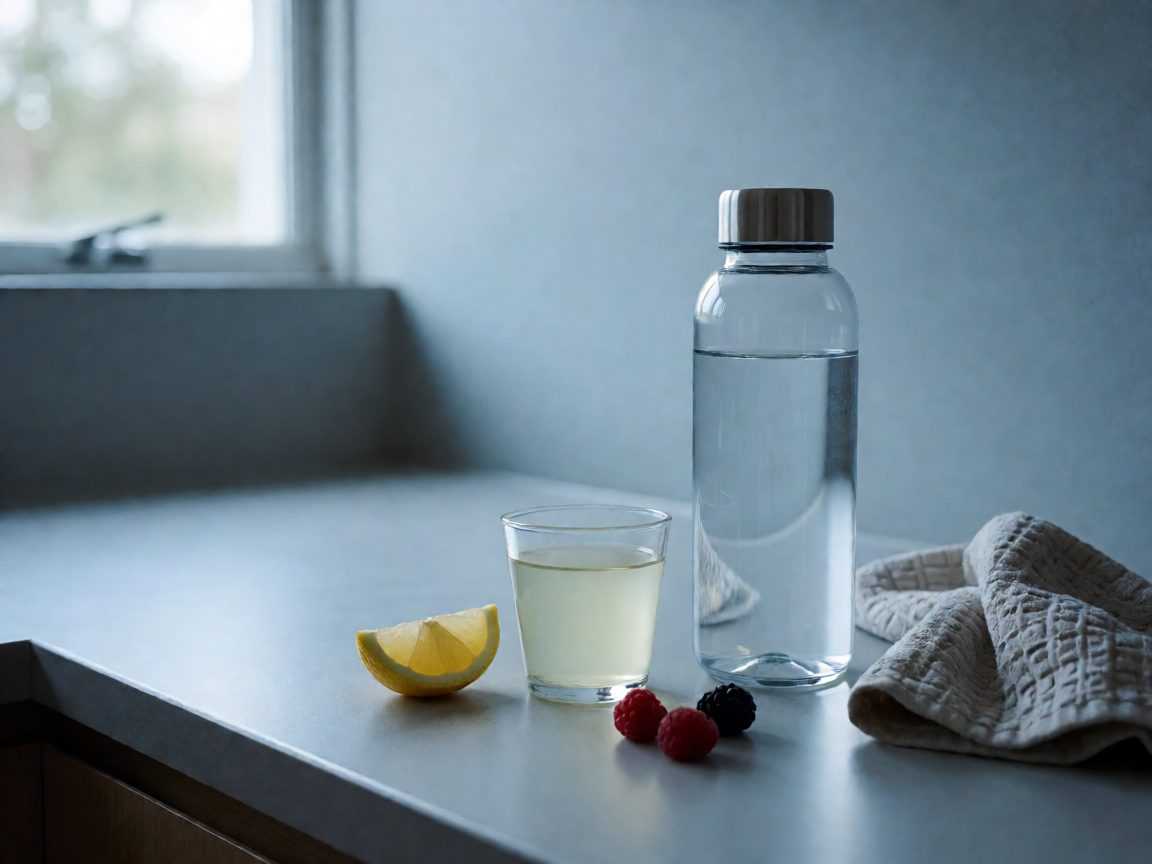
Travel can make it easy to forget fluids, but a hydration powder is not a substitute for planning. Pack a refillable bottle, check whether your destination has safe water, and carry a product only if you already know you tolerate it. Travel days may also change appetite and meal timing. Keep a simple food option available, such as yogurt, fruit, soup, or a protein-containing snack, instead of relying on electrolyte drinks for energy.
A small travel plan can prevent a drink from becoming a last-minute guess. Before leaving, identify where you can refill water, whether you will be walking or sitting for long periods, and what food will be available if appetite changes. Put the product’s serving directions in the same place as your other travel information. If you feel unwell, write down when the symptoms began and what you have been able to drink. That information is more useful to a clinician than a vague assumption that you need “more electrolytes.” Keep the plan flexible: hydration support should make the day safer and simpler, not add a new rule that you must follow when you are already nauseated or fatigued.
For most people, the decision can stay simple: water for the baseline, an electrolyte product for a defined need, and professional guidance when symptoms or medical restrictions enter the picture.
How to choose a product
Read the serving size first
Some packets are designed for a specific volume of water. Using less water makes the final drink more concentrated; using more changes the taste and the amount per serving. Follow the label unless a qualified professional gives you different instructions. Do not stack several electrolyte products because each one looks small.
Compare sodium, potassium, sugar, and sweeteners
Check the Nutrition Facts panel and ingredient list. Sodium may matter if you have blood-pressure or heart concerns. Potassium may matter if you have kidney disease or take medicines that alter potassium handling. Sugar can be relevant for diabetes care, while sugar alcohols or intense sweeteners may bother some people’s digestion. These are not reasons to label a product good or bad for everyone; they are reasons to match the label to your own situation.
Be cautious with products marketed as “detox,” “fat burning,” or “GLP-1 support.” Marketing language is not a safety evaluation, and an electrolyte label does not prove that a product changes appetite, medication effects, or body weight. The National Institute on Aging label guide is a useful reminder to read the package as a whole.
Prefer a simple formula when possible
A short ingredient list can make it easier to identify sugar, sodium, flavors, herbs, stimulants, and possible allergens. “Natural” does not automatically mean harmless, and a long list is not automatically dangerous. If you take several medicines or supplements, ask a pharmacist to review the full combination rather than judging one ingredient in isolation.
A practical hydration routine
- Set the baseline. Keep water visible and drink regularly according to thirst and your health plan.
- Name the trigger. Ask whether heat, sweat, exercise, travel, vomiting, or diarrhea created a real need for electrolyte replacement.
- Check your restrictions. Review kidney, heart, blood-pressure, diabetes, pregnancy, and fluid-limit considerations with a qualified professional.
- Use one product at the label serving. Sip slowly and avoid combining multiple mixes or drinks without a reason.
- Pair with food when comfortable. A meal or snack can contribute protein, carbohydrates, and other nutrients that a hydration product may not provide.
- Review the result. Note taste, tolerance, symptoms, and whether it solved the actual problem. If not, stop experimenting and seek advice.
Food and drink alternatives
You may not need a specialized drink. Water with a meal, broth, milk, yogurt, fruit, vegetables, and ordinary foods can contribute fluid in different ways. When appetite is low, a small bowl of soup, yogurt with fruit, or a soft meal may be more useful than a very sweet sports drink. When you have been sweating, a normal meal can also contribute sodium and water, depending on your diet and health needs.
For meal organization, see the GLP-1 meal-prep guide. For a shopping approach that keeps drinks alongside food, use the Zepbound grocery-list companion. If you need a smaller, portable food option, review vegetarian snack ideas for semaglutide nutrition. These internal guides are adjacent reading, not a prescription to use every suggestion.
The site’s tools and trackers can help you record a simple hydration question without turning every sip into a score. Tracking should reduce uncertainty, not increase anxiety. If logging makes food or drink feel compulsive, choose a lower-burden routine and ask for support.
Storage and execution tips
- Store packets and bottled drinks in a cool, dry place and follow the product’s directions.
- Mix only the amount you expect to use, and refrigerate prepared drinks when the label requires it.
- Carry water first; carry an electrolyte product as a planned option, not as proof that you must drink it.
- Keep the product label or a photo of it available for a pharmacist if you develop symptoms.
- Do not share a prescribed oral rehydration plan or supplement plan without checking whether it fits the other person.
Common mistakes to avoid
One mistake is treating every headache, tired feeling, or low-appetite day as an electrolyte deficiency. Those symptoms have many possible causes. Another is choosing the saltiest or most concentrated product because it sounds more effective. A third is using electrolyte drinks to compensate for ongoing vomiting or diarrhea instead of contacting a clinician.
Also avoid mixing hydration advice with medication changes. Do not stop, restart, or change a GLP-1 medicine because of a beverage article. Do not add potassium, magnesium, herbs, or stimulant ingredients without checking your situation. A good hydration routine is intentionally boring: it is clear about the reason, the product, the limit, and the point at which professional care takes over.
Questions readers often ask
Should everyone taking a GLP-1 drink electrolytes daily?
No. Daily electrolyte drinks are not automatically required. Many people can use water and ordinary beverages for routine hydration. Daily use should be discussed with a professional if you have a medical condition, a fluid restriction, or recurring symptoms.
Are electrolyte drinks better than water?
Not generally. They serve different purposes. Water is often a simple baseline; electrolytes may be useful when there has been meaningful fluid and salt loss or when a clinician recommends them.
Can I use a sports drink after nausea?
It may not be the same as an oral rehydration solution, and sweetness or concentration may be difficult to tolerate. Ask a clinician or pharmacist what is appropriate, especially if vomiting continues or you have another health condition.
What if I have kidney or heart disease?
Ask your clinician before using electrolyte products. Sodium, potassium, fluid volume, and medication interactions may matter, and a generic internet schedule may be unsafe for you.
Health boundary
This article is general education, not medical diagnosis, prescribing, dosing, fluid-prescription, or individualized nutrition advice. Follow the current medication label and your prescriber’s instructions. Seek prompt care for persistent vomiting or diarrhea, inability to keep fluids down, reduced urination, fainting, confusion, severe weakness, severe abdominal pain, or signs of an allergic reaction. If you have a condition that affects fluids or electrolytes, get a personalized plan before experimenting with powders, tablets, or sports drinks.
Editorial sources: FDA Wegovy Prescribing Information; National Institute on Aging hot-weather guidance; National Institute on Aging beverage and food-group guidance. Product labels and medical advice take priority over this article.