Zepbound Nutrition: Food Ideas and Practical Support
If you are looking for the best ready-to-drink protein shakes for people on Zepbound, start with the label and your real eating pattern rather than a “best” ranking. Choose a shake you can tolerate, that supplies meaningful protein for its serving size, has a manageable sweetness and fat profile, and fits your clinician’s guidance. A ready-to-drink shake can be a convenient bridge when appetite is low or a meal is delayed; it is not a required Zepbound food, a substitute for a varied diet, or a guarantee of weight loss.
Zepbound is a prescription medicine containing tirzepatide. The FDA prescribing information describes important safety information and possible gastrointestinal adverse effects, but it does not designate one commercial protein shake as best. Food choices should support adequate nourishment and comfort while medication questions, persistent symptoms, and individual restrictions stay with a qualified health professional.
Quick answer
Compare ready-to-drink protein shakes using five checks: protein per container, total calories and serving size, added sugar and sweetness, fat and fiber that you personally tolerate, and the ingredient list for allergens or ingredients you avoid. Start with a small amount if you are unsure how a drink will feel, sip slowly, and pair it with ordinary food when appropriate. Examples of useful pairings include fruit, whole-grain toast, yogurt, soup, or a small sandwich. If a shake repeatedly causes pain, vomiting, diarrhea, severe constipation, or dehydration, stop treating it as a convenient solution and contact your care team.
What a ready-to-drink shake can—and cannot—do
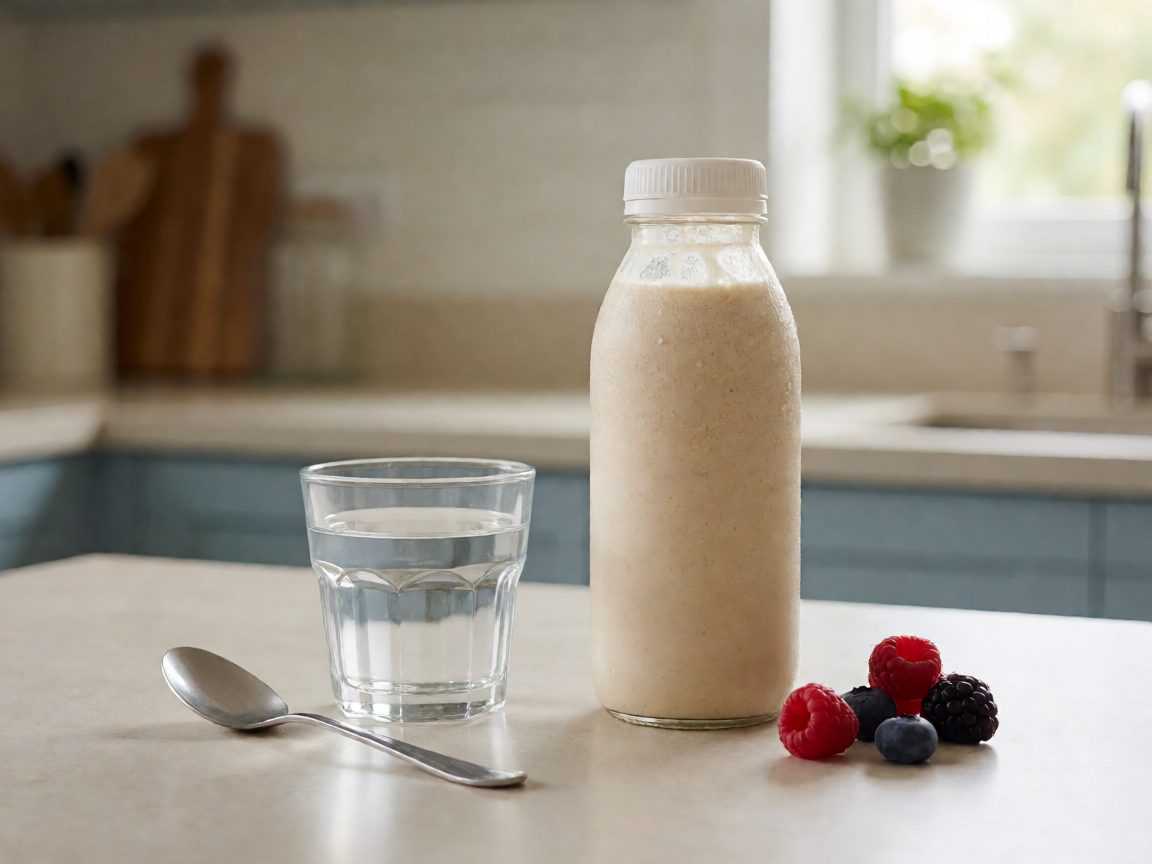
A bottled shake can solve a narrow problem: you need a portable protein-containing option with little preparation. It can be useful after a busy morning, during travel, or when cooking feels difficult. It may also help you avoid skipping food entirely when a full meal is not appealing. That practical role is different from claiming that the shake improves the medicine’s action or causes a predictable amount of weight loss.
The most useful question is not “Which shake works with Zepbound?” but “Which option can I use safely and comfortably in the situation I actually face?” A product that looks attractive on a shelf may be too sweet, too rich, too large, or poorly suited to your allergies. A simpler drink that you can store, identify, and sip without discomfort may be a better fit.
Use the GLP-1 Nutrition hub for the broader food-planning context. Then connect the decision to a practical Zepbound grocery list rather than building your entire routine around packaged drinks. If you want a preparation-first approach, compare it with GLP-1 meal-prep ideas for menopause and adapt only the parts that fit your own needs.
How to compare the label
1. Confirm the serving and protein information
Read the serving size first. Some bottles are one serving; others contain more than one. Compare products using the amount you actually plan to drink, not a number that applies to only part of the bottle. Protein can be useful when appetite is reduced, but the label number is one planning detail, not a personal prescription. Consider whether the shake is a snack, part of a meal, or an emergency option before deciding how much protein you need from it.
Look for a protein source you recognize and tolerate, such as milk protein, whey, casein, soy, or a blended plant-protein formula. If you avoid dairy, check for milk ingredients rather than relying on words such as “plant-based.” If you have an allergy, inspect both the allergen statement and the manufacturing information.
2. Review calories, added sugar, and sweetness
Calories matter because a shake may be a supplement to a meal, a replacement for part of a meal, or the meal itself. None of those roles is automatically right for every person. Added sugar is another comparison point, especially if very sweet drinks make nausea, reflux, or food aversion worse. A low-sugar product can still taste intensely sweet because of non-sugar sweeteners. Taste and tolerance are personal; choose a product you can use without feeling pressured to finish it.
Do not assume that “low carbohydrate,” “low sugar,” or “high protein” means the product is nutritionally complete. Read the full Nutrition Facts panel, note the serving size, and consider what the drink contributes that the rest of your day may lack. The National Institute on Aging label guide is a useful reminder to read the package as a whole.
3. Consider fat, fiber, and texture
Some shakes are thin and easy to sip; others are creamy, dense, or thickened with added fibers. Fat and fiber are not automatically bad, but a rich or heavily sweetened drink may be harder to tolerate for some people. If your digestion is unsettled, start with a small serving, take your time, and avoid adding several new foods at the same moment. A clear record of product, amount, timing, and symptoms can help you discuss patterns with a clinician.
Choose the texture that fits your day. A chilled drink may be easier than a large solid meal for one person, while another may find liquid calories unsatisfying. If you are hungry again soon after a shake, that is information—not a reason to blame yourself. You may need a small food pairing, a different texture, or a more complete meal at another time.
Before buying a case, make a short comparison note: serving size, protein source, sweetness, fat, fiber, allergens, storage needs, and price per usable bottle. Add one line for how you plan to use it and one line for what you will eat if the drink does not suit you. This simple checklist keeps convenience in its proper place: a tool that supports a flexible routine, not a product that decides what your nutrition must look like.
Practical ways to use a shake
When a full meal is delayed
Keep one shelf-stable option available for a delayed commute, long appointment, or travel day. Pair it with water and, when comfortable, a simple food such as a banana, crackers, or a small piece of toast. The pairing does not need to be elaborate. The goal is to create a reliable bridge until a more complete meal is available.
As part of a small breakfast
If mornings are difficult, try a portion of the shake alongside fruit, oatmeal, toast, or yogurt rather than making the drink carry the entire meal. This makes it easier to add variety and may make the meal feel more like food than a supplement. Adjust the portion to your appetite and your clinician’s advice.
After activity
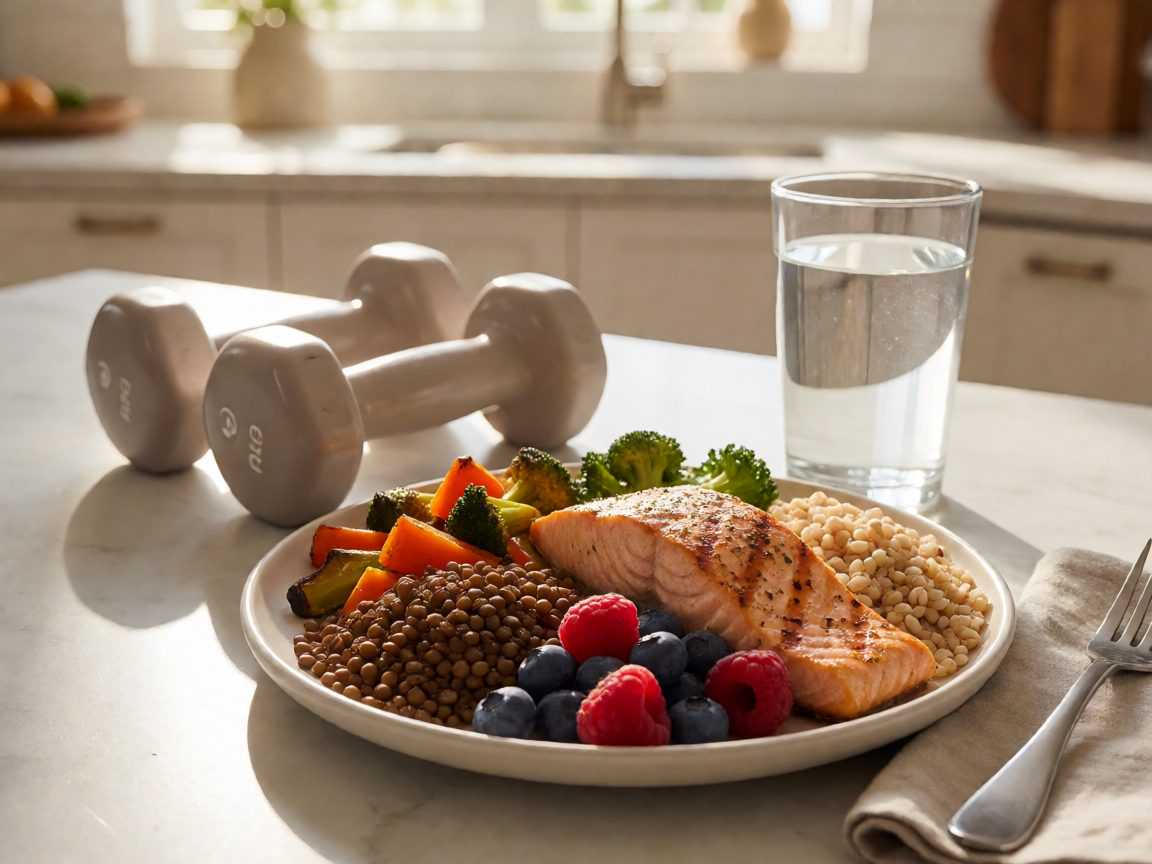
After walking or strength training, a protein shake can be one convenient option, but it is not mandatory. You might instead choose eggs, tofu, cottage cheese, Greek yogurt, fish, chicken, beans, or a meal containing one of these foods. A drink is useful when it solves an access problem; it does not replace sleep, recovery, hydration, or a balanced eating pattern.
When chewing feels difficult
Temporary appetite or texture changes can make softer foods more appealing. A shake may fit alongside soup, yogurt, applesauce, soft fruit, or a blended meal. If difficulty eating continues, or if you cannot keep fluids down, ask a clinician for individualized advice. Do not keep escalating liquid supplements while ignoring worsening symptoms.
Alternatives to bottled protein shakes
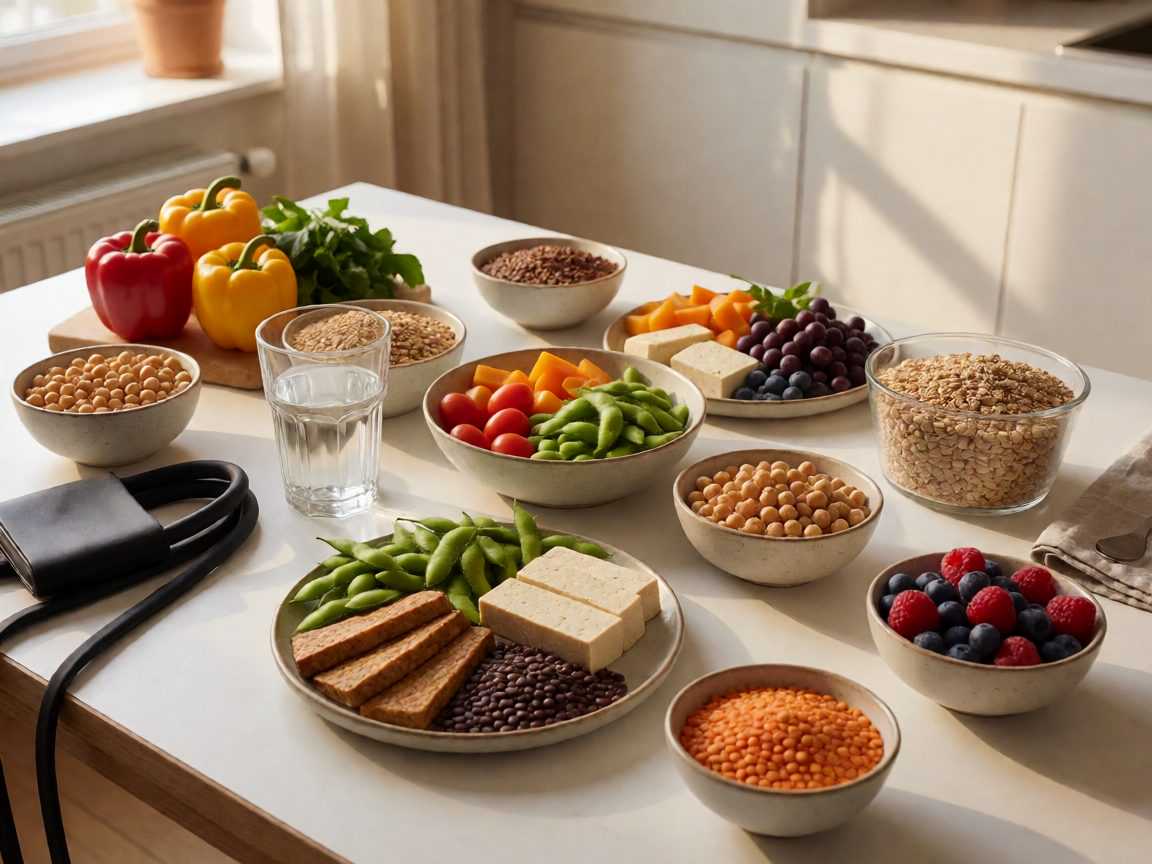
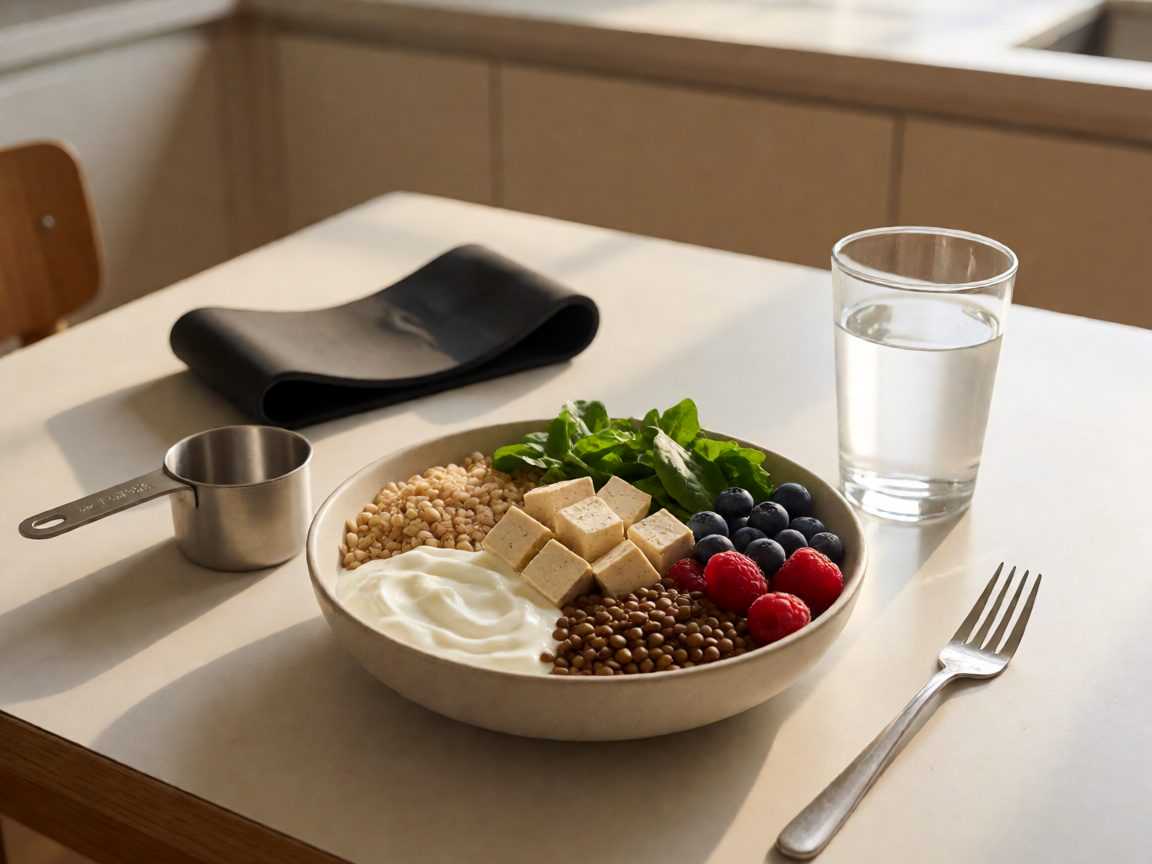
Ready-to-drink products are convenient, but they are not the only route to a protein-containing snack or meal. Milk or fortified soy milk can be used in a smoothie with yogurt and fruit. Greek yogurt can be paired with berries or oats. Eggs, tofu, edamame, tuna, chicken, beans, lentils, cottage cheese, and cheese can all fit different eating patterns. Choose according to preference, access, allergies, culture, budget, and tolerance.
The National Institute on Aging recommends varied nutrient-dense foods and identifies seafood, dairy, fortified soy products, beans, peas, and lentils as examples of foods that can contribute protein. Its meal-planning guidance also emphasizes planning ahead, considering preparation time, and drinking water through the day. Those principles are more durable than any one product list.
For a prepared-food option, read our high-protein frozen meal comparison. For a snack pattern built around a different dietary preference, see vegetarian snack ideas with semaglutide nutrition in mind. These pages are companions, not instructions to combine every suggestion.
Storage and routine tips
- Store shelf-stable bottles according to the package directions and refrigerate opened products promptly.
- Keep one or two options in a visible place, but avoid buying a large case before you know the taste and tolerance.
- Use a small cooler or insulated bag for travel when the product requires refrigeration.
- Check expiration dates and look for a damaged seal before drinking.
- Write the product name and your intended role—snack, delayed-meal bridge, or post-activity option—on a simple shopping note.
- Rotate in ordinary foods so the routine does not become dependent on one commercial product.
Common mistakes to avoid
One common mistake is choosing a product because the front label promises “high protein” while ignoring the bottle size, sweetness, and ingredients. Another is assuming that a shake must replace a meal. A third is changing the shake, supplements, fiber intake, and meal timing all at once, which makes it difficult to understand what caused discomfort.
Also avoid using a shake to push through repeated vomiting, severe abdominal pain, dehydration, or an inability to eat. The FDA’s Zepbound prescribing information includes important warnings and adverse-effect information. It is the right source for medication safety questions, while a prescriber or pharmacist can help interpret your personal situation. Food can support a routine, but it cannot diagnose a symptom or adjust a prescription.
Questions readers often ask
Are protein shakes required while taking Zepbound?
No. They are optional convenience foods. Some people find them useful when a meal is delayed or appetite is reduced; others prefer ordinary foods or do not tolerate sweet drinks.
What is the best protein shake for everyone on Zepbound?
There is no universal best product. Compare labels, ingredients, serving size, taste, texture, cost, allergies, and your response. If you have kidney disease, diabetes, food allergies, swallowing concerns, or another nutrition-related condition, ask a qualified professional how a product fits your plan.
Can I drink a shake instead of eating?
It can sometimes serve as a temporary bridge, but regularly replacing varied meals may leave gaps in food variety, fiber, micronutrients, and satisfaction. Discuss a persistent low appetite or difficulty meeting nutrition needs with your care team.
What if a shake causes stomach symptoms?
Stop and note the product, amount, timing, and symptoms. Seek medical guidance for persistent or severe symptoms, and urgent care for emergency warning signs. Do not assume that switching brands will solve a medication-related problem.
Health boundary
This article is general education, not prescribing, dosing, medication-change, diagnosis, or individualized dietetic advice. Zepbound is a prescription medicine, and the FDA label should be used for official safety information. Do not start, stop, or change a medicine because of a food article. Contact your prescriber or pharmacist for questions about side effects, interactions, allergies, diabetes care, pregnancy, kidney or gallbladder concerns, or whether a supplement is appropriate. If symptoms are severe, worsening, or accompanied by signs of dehydration or an allergic reaction, seek urgent medical care.
Editorial sources: FDA Zepbound Prescribing Information; National Institute on Aging healthy meal-planning guidance. Product formulations change, so use the current package label.