Ozempic Nutrition: Food Ideas and Practical Support
If you are wondering when to have chia seed snacks on Ozempic, use them as an optional food when the texture, portion, and fiber fit your appetite and digestion. Chia seeds can add plant-based fiber and a soft, gel-like texture when mixed with enough liquid, but they are not a special Ozempic treatment and they do not guarantee appetite control or weight loss. A small, familiar snack may be easier to use than a large serving or a complicated recipe.
Ozempic is a prescription medicine containing semaglutide. The FDA medication label describes gastrointestinal side effects and warns that persistent nausea, vomiting, or diarrhea can lead to fluid loss and kidney problems. That makes comfort, hydration, and professional guidance more important than chasing a large fiber number. If you have worsening symptoms, contact your prescriber rather than trying to solve a medication concern with chia seeds.
Quick answer
Have a chia seed snack at a time when you can eat slowly, drink fluids normally, and notice how your body responds. Start with a modest portion prepared with enough liquid, and pair it with yogurt, milk, fortified soy milk, fruit, or another food that fits your eating pattern. Avoid dry spoonfuls. If chia repeatedly worsens bloating, constipation, abdominal discomfort, nausea, or early fullness, pause and ask a clinician or dietitian whether it belongs in your plan.
Chia can be a convenient snack before a busy afternoon, as part of breakfast, or alongside a small meal. It is less useful as a rigid “must-eat” at a certain medication time. Ozempic nutrition is about a repeatable pattern of food, fluid, tolerance, and medical safety—not a single ingredient.
Why timing is personal
Chia seeds contain fiber and absorb liquid, so the same food can feel different depending on portion size, preparation, hydration, meal timing, and the rest of the day. A soft pudding may be comfortable for one person and too filling for another. A dry topping may be easy for someone else but unpleasant if chewing, swallowing, or digestion is already difficult.
Start by naming the job of the snack. Are you trying to bridge a long gap between meals, add texture to breakfast, include a plant food, or create a portable option? A clear purpose makes it easier to choose a small portion and stop when satisfied. It also prevents chia from becoming a workaround for persistent nausea or a replacement for a varied meal pattern.
Use the GLP-1 Nutrition hub for broader meal planning. For a practical shopping framework, connect the snack to this Zepbound grocery list and keep other protein and fiber choices available.
When a chia snack may fit
At breakfast or a first small meal
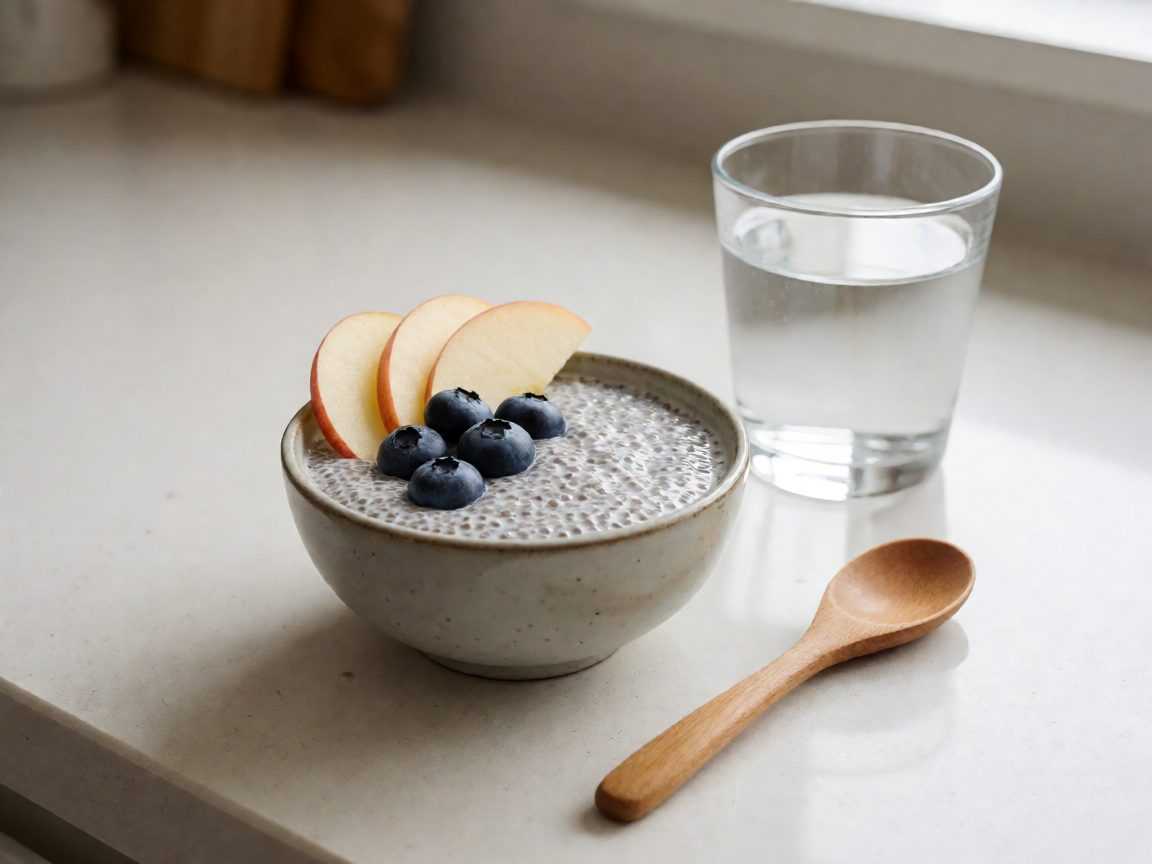
Chia pudding can be part of a small breakfast when you tolerate dairy or fortified soy yogurt, fruit, or oats. Add a protein food if the rest of the meal is mostly seeds and fruit. The goal is variety: chia contributes one useful ingredient, while yogurt, milk, soy, eggs, or another food can provide additional nutrients and a different texture.
Prepare it ahead and keep the serving visible so you can choose how much feels right. If the full portion feels too large, save some for later instead of treating the container as a finish line. Appetite can vary from day to day, especially when medication effects, stress, sleep, or illness change.
As a mid-morning or afternoon bridge
A small chia snack can help bridge time between meals when you want something soft and spoonable. Try it with berries, sliced banana, or plain yogurt. If you need more protein, pair it with yogurt, cottage cheese, a fortified soy drink, or another food you already tolerate. If you need a portable option, use a leak-resistant container and keep it cold when necessary.
After activity
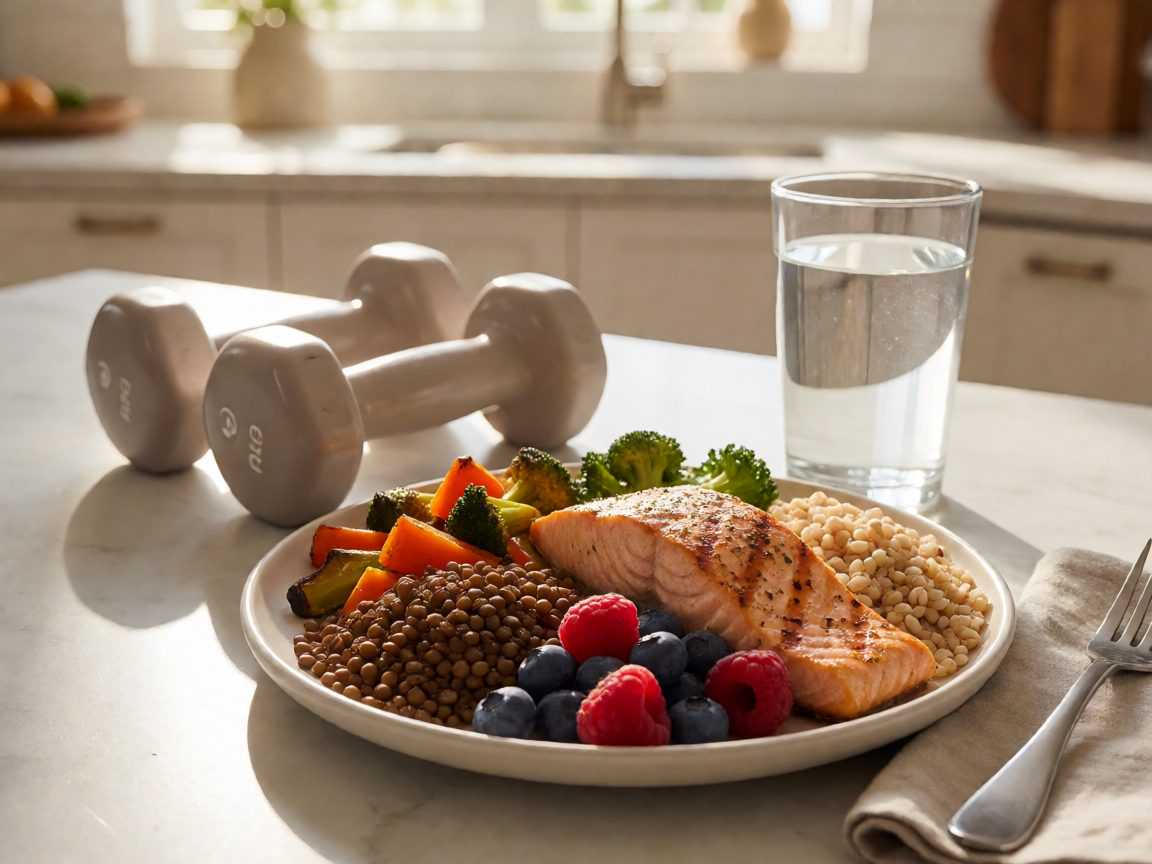
Chia alone is not automatically a complete recovery snack. After walking or strength training, you might choose chia with yogurt and fruit, or you might prefer eggs, tofu, milk, fish, chicken, beans, or a regular meal. Choose the option that fits your appetite, access, and clinician’s guidance. A seed-based snack can be part of the pattern without being the whole pattern.
When a soft texture is easier
Some people prefer soft foods when appetite is low. A prepared chia texture can be easier to eat than a dry bar or crunchy snack, but that does not make it universally gentle. If you have swallowing concerns, severe early fullness, persistent abdominal pain, or a history of digestive narrowing, ask a professional before adding concentrated seeds or fiber.
Think of the snack as a small experiment with a clear exit. Prepare one familiar version, eat it at an unhurried time, and give yourself permission to stop if the texture or fullness feels wrong. Note whether the issue appeared immediately or later, whether you had eaten other high-fiber foods, and whether you had been drinking normally. This does not diagnose the cause, but it creates a useful description for a clinician or dietitian.
Chia is also easy to over-credit because it looks simple and has a strong health-food reputation. A snack can be nutritious without being the right choice today. If nausea is active, a plain food may be easier. If constipation is severe, a professional may recommend a different plan. If you are struggling to eat enough, adding more seeds may increase fullness without solving the underlying problem. Match the food to the situation, then keep a different option available.
A reliable backup might be yogurt with fruit, a soft egg dish, soup with beans, a small sandwich, or a ready-to-drink product you already tolerate. These alternatives make it easier to keep meals flexible while you learn whether a chia snack fits. Variety also reduces the pressure to make one ingredient carry the responsibility for your medication, appetite, digestion, and weight.
The same idea applies to timing. A snack can be planned before a busy afternoon, saved for later, or skipped when you are not hungry. There is no prize for eating it at a precise hour. Consistency means having a reasonable option available, not forcing food when your body is signaling that the portion or texture is too much.
Keep the next step visible: prepare, taste, notice, and adjust. A calm routine is more useful than a perfect recipe or a rigid promise. Let comfort guide the next portion.
How to prepare chia more comfortably
Use enough liquid
Mix chia into a fluid such as milk, fortified soy milk, or yogurt and give it time to thicken. The exact ratio can vary by recipe and preference, so follow a tested recipe and adjust the texture gradually. The important principle is not to eat a large amount dry and then assume a quick drink will make it comfortable.
Keep a glass of water available as part of ordinary hydration, but do not force large volumes quickly. The National Institute on Aging recommends drinking water throughout the day and emphasizes a variety of nutrient-dense foods. These broad habits are more useful than a dramatic “fiber hack.”
Start small and change one thing
If you have not eaten chia recently, start with a modest amount and keep the rest of the snack familiar. Do not introduce chia, a new sweetener, a large fiber supplement, and a new protein powder all on the same day. If discomfort follows, a simple food record can help you describe the timing and amount to your clinician.
Choose a texture you can actually eat
Some people prefer smooth pudding; others like a thinner drink or a sprinkle over yogurt. If seeds feel gritty, blend them into a prepared mixture or choose a different food. If you are rushing, use a simpler snack. A theoretically nutritious food that you cannot tolerate or prepare reliably is not a practical everyday choice.
What to pair with chia
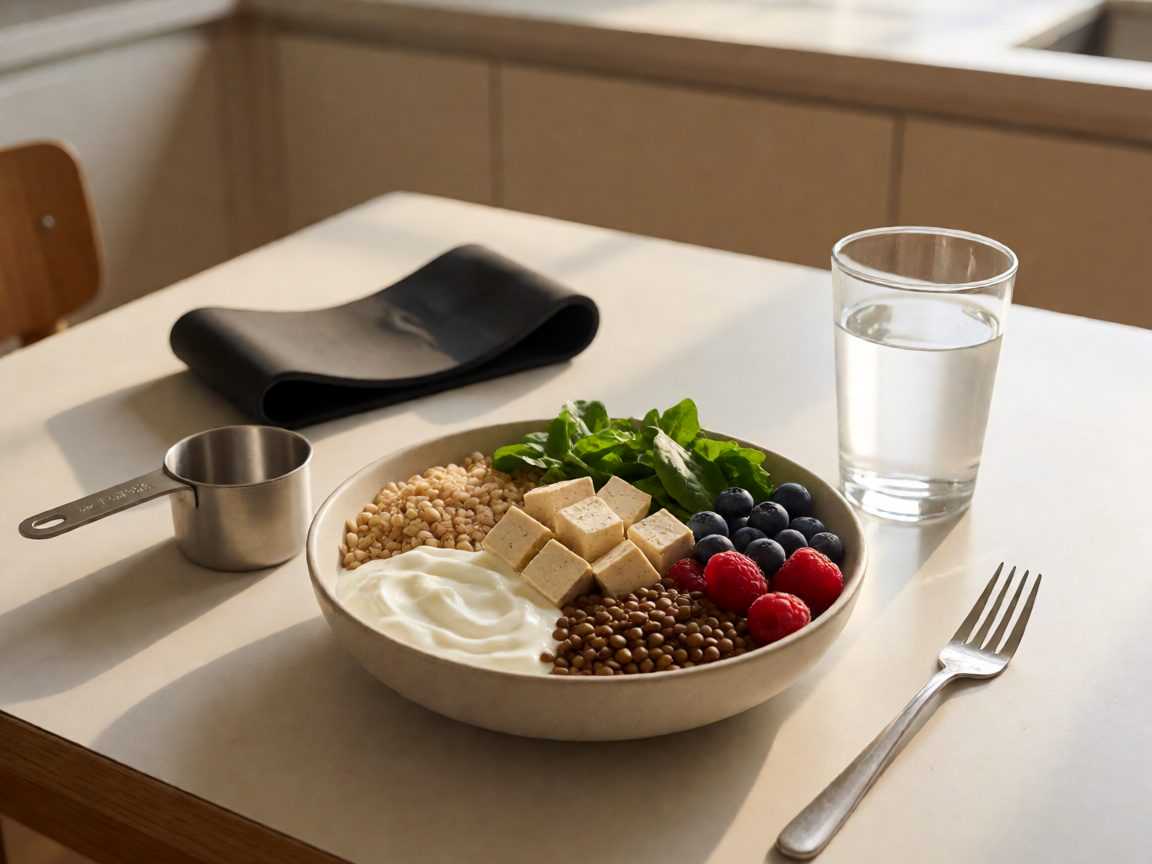
Pairing depends on the job of the snack. For more protein, try plain Greek yogurt, cottage cheese, milk, fortified soy yogurt, tofu blended into a smoothie, or another protein food that fits your diet. For more energy, fruit, oats, or whole-grain toast may be useful. For flavor, cinnamon, cocoa, vanilla, citrus zest, or berries can help without turning the snack into a very sweet drink.
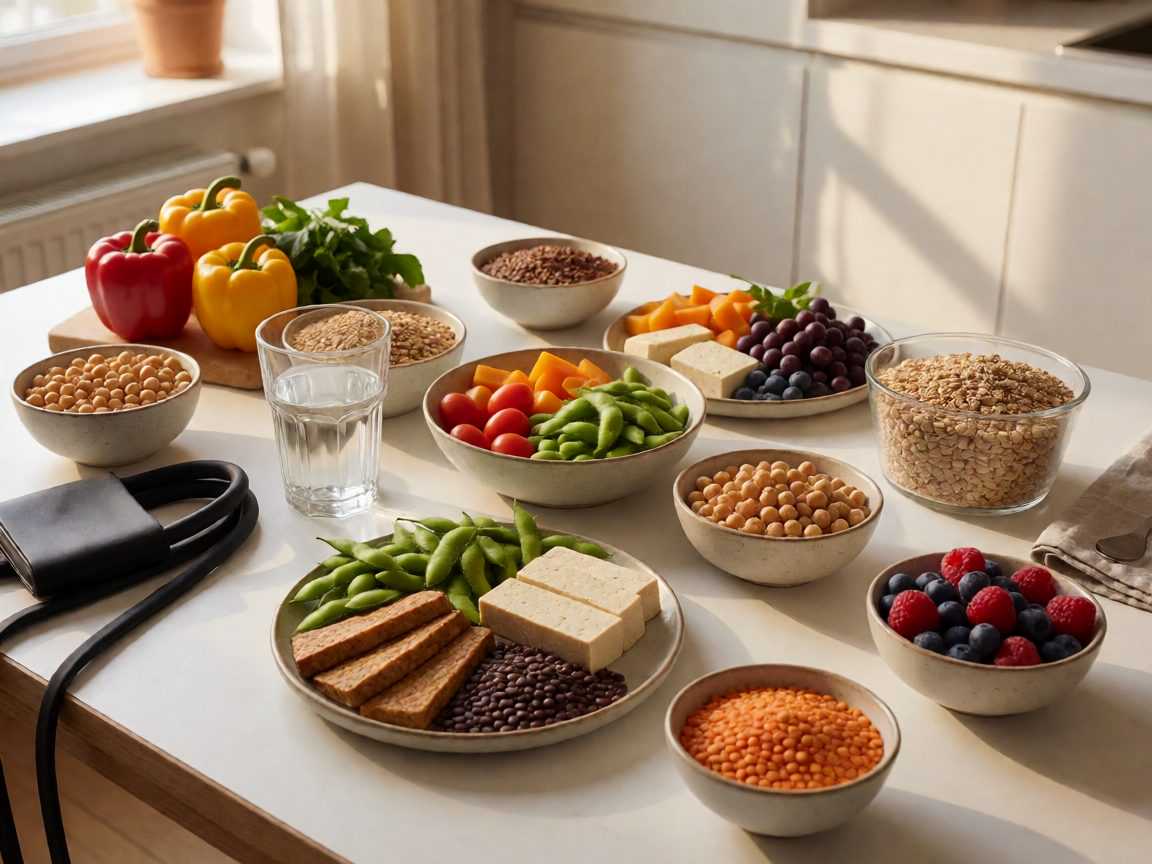
The NIA food-group guide identifies seeds, nuts, beans, soy, eggs, seafood, poultry, and other foods as protein choices within a varied eating pattern. It also notes that plant foods can provide fiber. Use those ideas to build options, not to create a checklist that must be completed at every snack.
If you need a prepared meal, see the high-protein frozen meal comparison. For a snack pattern that does not rely on seeds, read vegetarian snack ideas for semaglutide nutrition. For a batch-cooking approach, use the GLP-1 meal-prep guide and adapt the portions to your own appetite.
A simple chia snack decision process
- Check the situation. Decide whether this is breakfast, a bridge snack, a post-activity option, or simply a food you enjoy.
- Check your symptoms. If you already have significant nausea, vomiting, diarrhea, severe constipation, or abdominal pain, pause and ask for medical guidance.
- Prepare it with liquid. Use a familiar recipe and allow the seeds to hydrate before eating.
- Keep the portion comfortable. Start modestly, eat slowly, and stop when satisfied.
- Add variety if needed. Pair with protein or fruit rather than increasing chia simply to make the snack seem more complete.
- Review the response. Notice comfort, fullness, bowel changes, taste, and how easy the preparation was to repeat.
Storage and food-safety reminders
- Prepare chia pudding in a clean, covered container and follow the storage time recommended by the ingredients and recipe.
- Keep dairy or other perishable mixtures refrigerated and use a cooler for transport when needed.
- Label the container with the preparation date so it does not become an unnoticed leftover.
- Do not rely on smell alone to judge safety; discard food that has been stored improperly or looks spoiled.
- Keep water available, but do not use a drink to force down a dry seed mixture.
- Have a non-chia fallback, such as yogurt, soup, fruit, toast, eggs, or a protein shake you already tolerate.
If you like tracking patterns, the site’s tools and trackers can help you record the snack, preparation, and response without turning the food into a pass-or-fail test. Keep the record brief and stop tracking if it increases anxiety around eating.
Common mistakes to avoid
The first mistake is eating a large dry portion because chia is marketed as a superfood. The second is assuming that more fiber is always better, even when appetite and digestion are unsettled. The third is using chia to compensate for a medication side effect that needs clinical attention. The fourth is adding several new ingredients at once and then having no way to identify the source of discomfort.
Another mistake is making the snack so low in calories or small in volume that it cannot support the rest of the day. If you are consistently struggling to eat enough, losing strength, or feeling weak, speak with your care team. A food article cannot set your nutrition requirements or determine whether a symptom is medication-related.
Questions readers often ask
Do I need to eat chia seeds on Ozempic?
No. Chia is an optional food. It can be useful for people who like the taste and texture, but fruit, vegetables, beans, oats, nuts, seeds, and other foods can also contribute fiber within a varied diet.
Is morning the best time for chia?
There is no universal best time. Choose a time when you can prepare it with liquid, eat slowly, and notice your response. If breakfast is difficult, a smaller later snack may fit better.
Can chia help Ozempic constipation?
Do not treat chia as a guaranteed remedy. Fiber, fluid, activity, other foods, medicines, and medical conditions can all affect bowel habits. Ask a clinician about persistent or painful constipation, especially if you also have vomiting, severe abdominal pain, or inability to pass stool or gas.
What if chia makes me feel too full?
Stop or reduce the portion and choose another food. Early fullness can be useful information about texture, amount, or timing. Persistent difficulty eating should be discussed with your healthcare professional.
Health boundary
This article is general education, not medication, dosage, diagnosis, or individualized dietetic advice. Ozempic is a prescription medicine; follow the current FDA labeling and your prescriber’s instructions. Do not start, stop, or change a medicine because of a food article. Contact your prescriber or pharmacist for persistent nausea, vomiting, diarrhea, constipation, severe abdominal pain, dehydration, kidney concerns, pregnancy, swallowing problems, or questions about supplements. Seek urgent care for severe pain, fainting, confusion, trouble breathing, facial swelling, or other emergency symptoms.
Editorial sources: FDA Ozempic Prescribing Information; National Institute on Aging food-group guidance; National Institute on Aging healthy meal planning. Product formulations and labels can change, so use the current package information.