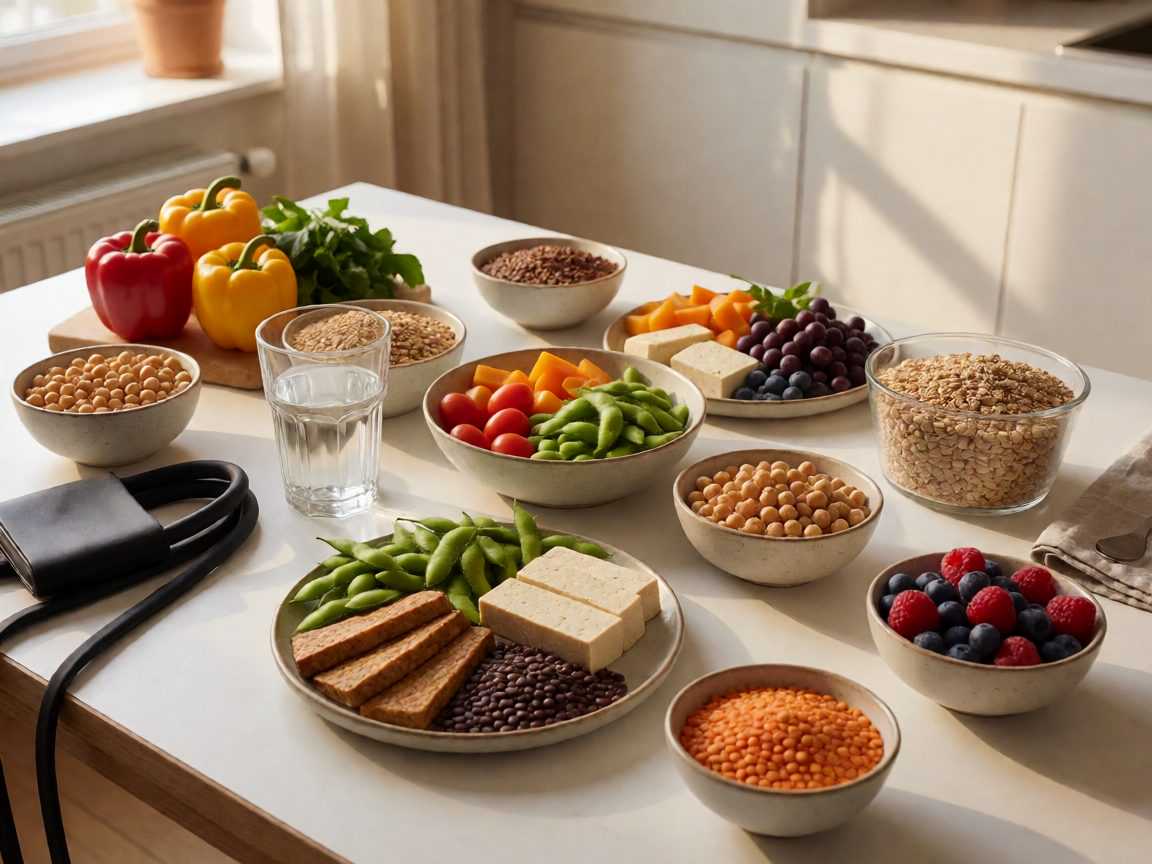
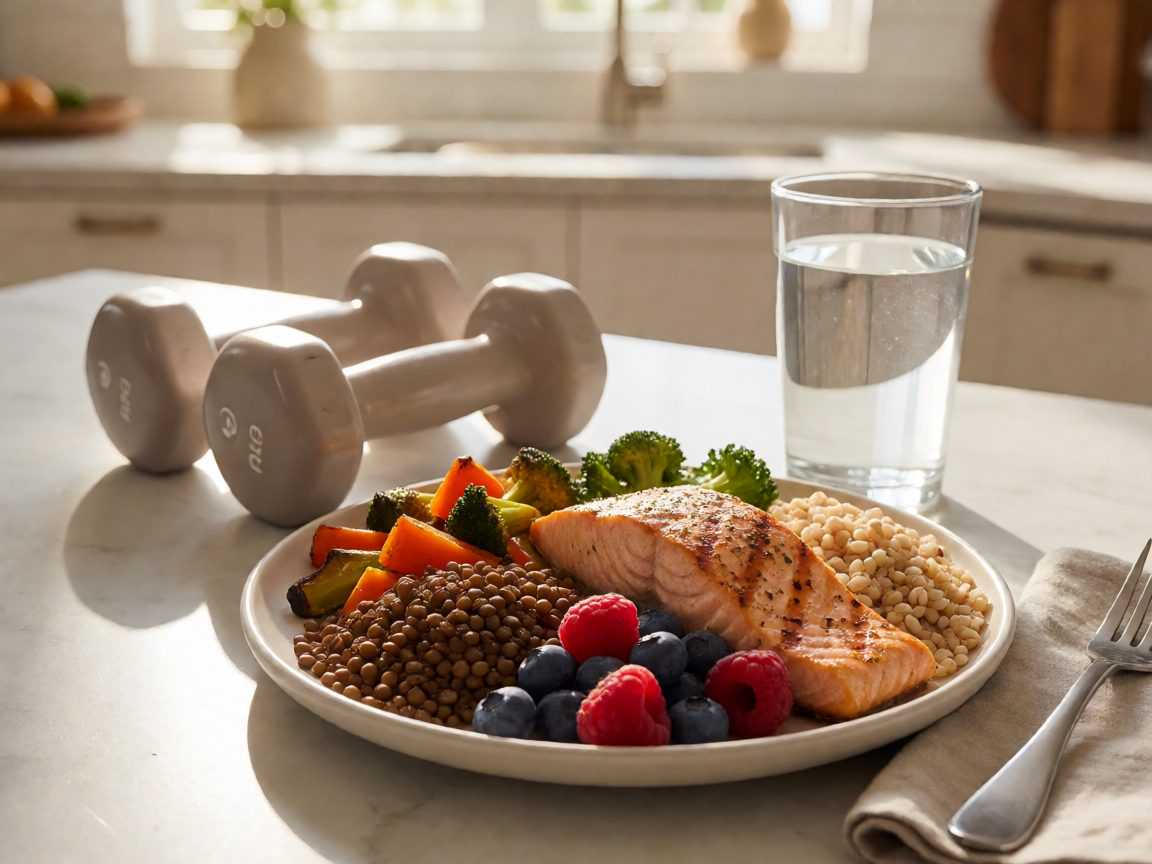
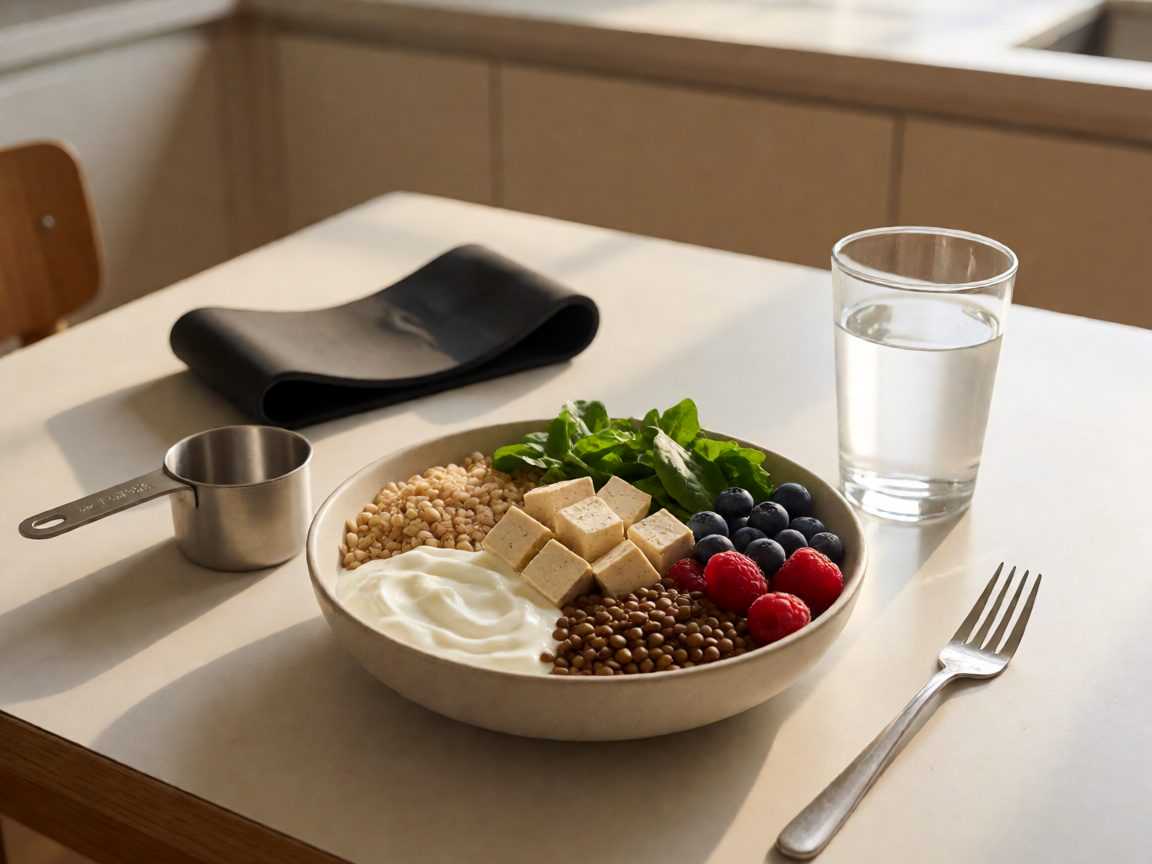
If Wegovy makes a full plate feel unappealing, small meals for Wegovy can make eating more manageable without turning nutrition into a second job. The practical goal is not to force large portions. It is to use modest servings, eat slowly, include a protein food when tolerated, add produce or another fiber source gradually, and keep fluids available.
People respond differently to semaglutide. Some prefer several small eating occasions; others do better with three lighter meals and a planned snack. Use this guide as a flexible food-and-routine framework, not as a prescription or a substitute for medical care.
Quick answer: what should a small Wegovy meal include?
Start with one protein choice, one easy-to-tolerate carbohydrate or fruit, and a small amount of vegetables or healthy fat. Examples include plain Greek yogurt with berries and oats; half a turkey-and-avocado sandwich with cucumber; a small bowl of lentil soup with toast; or a soft egg with cooked vegetables and a little oatmeal. Begin with a modest serving, pause when comfortably satisfied, and save the rest rather than pushing through nausea or fullness.
- Protein: egg, yogurt, cottage cheese, fish, chicken, tofu, beans, or a smooth protein-rich soup.
- Produce: berries, banana, melon, cooked carrots, zucchini, spinach, or another food you tolerate.
- Carbohydrate: oats, rice, potato, whole-grain toast, crackers, or a small tortilla.
- Flavor and moisture: broth, yogurt sauce, salsa, herbs, or a small amount of olive oil.
For a broader food hub, see GLP-1 nutrition guidance. You can also use the WeightMuse tools and trackers to note meals, fluids, symptoms, and foods that feel comfortable.
Why smaller portions can be useful
Wegovy is a prescription medicine that may affect appetite and gastrointestinal comfort. The FDA prescribing information lists gastrointestinal reactions among the possible adverse effects and includes warnings about severe gastrointestinal reactions and dehydration-related complications. That does not mean every person will have these problems, but it does mean that a meal plan should leave room for changing appetite and tolerance.
A small meal can be easier to stop, store, and revisit than a large serving. It can also make it simpler to separate foods if one combination feels heavy. The right portion is personal: a physically active person, a person recovering from illness, and a person with persistent nausea may need very different support. Work with your clinician or a registered dietitian if eating becomes difficult or your usual intake changes substantially.
Build small meals for Wegovy with a simple formula
1. Choose a gentle protein anchor
Protein helps make a small meal more substantial, but high-fat or heavily seasoned preparations may feel uncomfortable for some people. Try a soft-boiled or scrambled egg, plain Greek yogurt, cottage cheese, tofu, flaky fish, tender chicken, a small portion of beans, or a blended lentil soup. If dairy does not suit you, use soy yogurt, tofu, or another tolerated alternative. If meat feels unappealing, combine a small amount of egg, cheese, tofu, or beans with a starch and cooked vegetables.
2. Add a carbohydrate you can tolerate
Carbohydrates are not automatically a problem. A small serving of oatmeal, rice, potato, toast, fruit, or crackers may be easier to eat than a very rich meal. Choose the texture and temperature that feel best. Oatmeal can be made thinner with milk or a fortified alternative. Potatoes can be mashed. Rice can be paired with broth and a little shredded chicken. Toast can be cut into small pieces and topped with cottage cheese or egg.
3. Add fiber gradually
Fruit, vegetables, beans, oats, nuts, and seeds can help create a nutrient-dense pattern, but a sudden increase in fiber may be uncomfortable. Start with cooked vegetables, peeled fruit, or a small portion of oats if raw salads feel difficult. Increase variety slowly, and pair fiber-containing foods with fluids. Constipation, diarrhea, and abdominal discomfort deserve individualized advice when they persist.
4. Use a small amount of fat for flavor
Avocado, olive oil, nut butter, tahini, and cheese can add flavor and energy in small quantities. However, a high-fat meal may not feel good for everyone. Try a teaspoon of oil in a soup, a thin spread of nut butter, or a few avocado slices instead of a large amount. The aim is a meal you can finish comfortably, not a rule about how much fat you must eat.
Make the formula work on low-appetite days
When appetite is especially low, simplify the plate rather than abandoning the meal. Pick the easiest protein, soften the texture, and use a small bowl or cup so the portion looks approachable. A few spoonfuls of yogurt, soup, or oatmeal can be a starting point. If the food tastes flat, add herbs, lemon, cinnamon, or a mild sauce instead of making a large serving. Keep a second option ready for later, such as a chilled yogurt, a peeled banana, or a small container of soup.
On more comfortable days, rotate the ingredients so the routine stays varied. NIA guidance emphasizes planning ahead and choosing a variety of nutrient-dense foods, but a flexible plan is more useful than a perfect menu. Think in components: one protein, one carbohydrate, one produce choice, and a little flavor. This makes substitutions easy when a smell, texture, or rich preparation does not work for you.
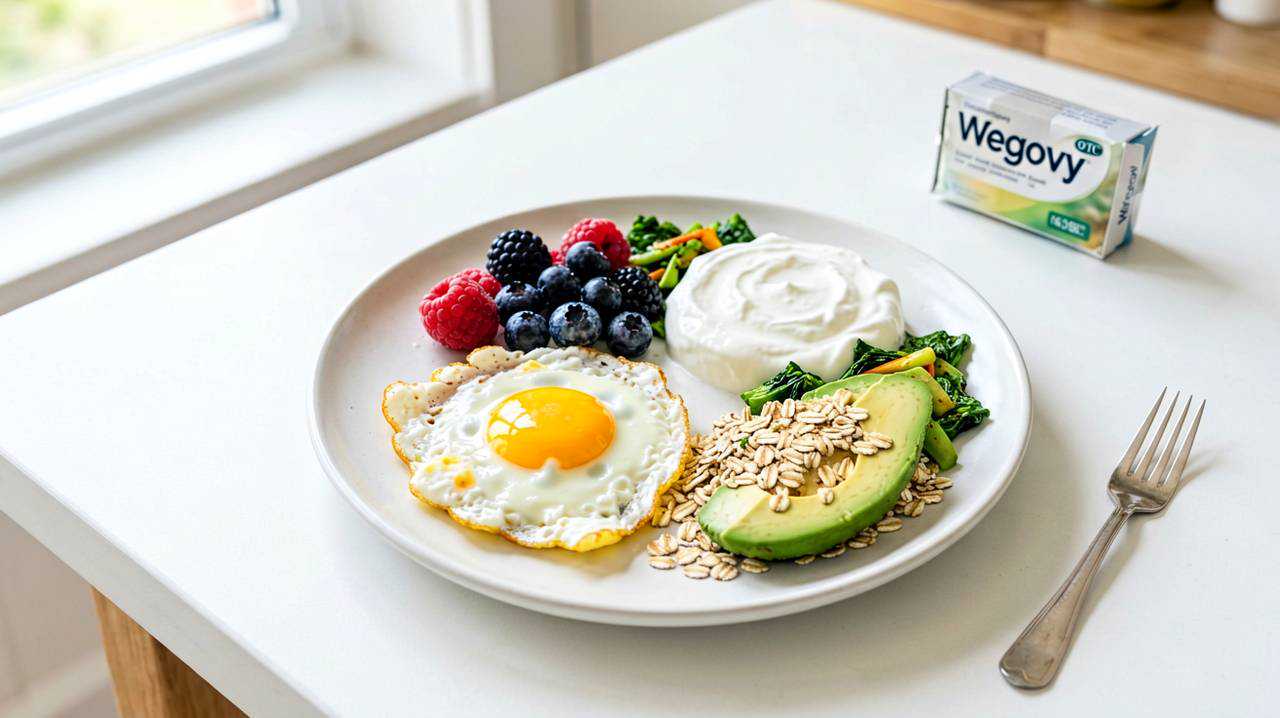
Food ideas to rotate through the week
Breakfast or first meal
- Plain Greek yogurt with berries, a spoonful of oats, and cinnamon.
- A soft egg with half a slice of toast and cooked spinach.
- Thin oatmeal made with milk or soy beverage, topped with banana slices and a small amount of nut butter.
- A small cottage-cheese bowl with peaches or pears and a few whole-grain crackers.
If sweet foods are unappealing, use a small miso or lentil soup with tofu, or a piece of toast with egg. Keep portions modest enough that you can pause and save the remainder.
Lunch
- Half a turkey, chicken, tofu, or hummus sandwich with cucumber or cooked vegetables.
- A small rice bowl with salmon or tofu, edamame, and cooked carrots, using a light sauce.
- Lentil soup with a small piece of toast and yogurt on the side.
- A baked potato half topped with cottage cheese, beans, or tuna and a little salsa.
For a shopping framework, compare this list with our GLP-1 grocery-list example. The goal is not to copy a medical diet; it is to keep easy proteins, soft produce, and simple carbohydrates available.
Dinner
Easy dinner ideas while taking Wegovy can be as simple as a small bowl of chicken-and-rice soup, a fish fillet with mashed potato and cooked zucchini, tofu with rice and steamed vegetables, or a bean-and-cheese quesadilla cut into wedges. Use less oil and a milder seasoning if rich or spicy meals bother you. If you cook a full recipe, portion it into small containers before eating so the rest is ready for another meal.
Snacks and travel options
Travel snacks for Wegovy should be portable, familiar, and easy to portion. Consider a shelf-stable protein drink you already tolerate, plain crackers with a small nut-butter packet, roasted edamame, a banana, applesauce, a small yogurt if you have a cooler, or a cheese stick with fruit. Pack water and a backup option. Avoid treating a snack as a challenge to eat as much as possible; a few bites may be enough, and you can return to it later if food safety allows.
How to make small meals easier to execute
Prepare components, not complicated recipes
Cook a small batch of rice, oats, eggs, tofu, chicken, or vegetables. Keep portions in shallow containers so they cool promptly and are easy to see. Label the date, follow local food-safety guidance, and refrigerate perishable foods promptly. Freeze extra portions when you know you will not eat them soon. A simple component system lets you combine a protein, a starch, and produce without cooking a new meal every time.
Use a comfort-first texture plan
Keep a few soft options on hand: soup, yogurt, oatmeal, mashed potato, scrambled egg, applesauce, and cooked vegetables. On a better day, add a sandwich, grain bowl, or crunchy produce. This gives you a practical substitution when appetite or nausea changes. A meal does not need to be perfect to be useful.
Keep a low-pressure record
A short note can identify patterns: what you ate, approximate portion, fluids, timing, and how you felt afterward. Do not use the record to punish yourself or to create a rigid calorie target. Bring persistent symptoms, inability to maintain intake, or concerns about hydration to a clinician.
If you are supporting someone in menopause, our menopause meal-prep guide offers another planning perspective. For a vegetarian pattern, see vegetarian GLP-1 snack ideas.
FAQ
How often should I eat small meals on Wegovy?
There is no universal schedule. Some people prefer three smaller meals, while others use smaller eating occasions spaced across the day. Choose a pattern that supports regular nourishment and fits your clinician’s advice. Avoid turning this article into a dosing or fasting plan.
What if I feel full after only a few bites?
Pause rather than forcing the meal. Save the food safely and try again later if appropriate. Choose nutrient-dense, tolerated foods in small amounts, and seek professional guidance if early fullness repeatedly prevents adequate food or fluid intake.
Are protein shakes required?
No. A shake is one convenience option, not a requirement. Yogurt, eggs, tofu, fish, chicken, beans, cottage cheese, or another tolerated protein food can also fit. Check ingredients and choose a product you tolerate rather than assuming more is better.
Can I eat fiber while taking Wegovy?
Many people can include fiber-containing foods, but tolerance varies. Increase fiber gradually and pay attention to fluids and digestive symptoms. If constipation, diarrhea, pain, or vomiting persists, contact your healthcare professional instead of making aggressive diet changes on your own.
When should I ask for medical help?
Follow the safety information supplied with your prescription. Contact your healthcare professional for persistent or severe gastrointestinal symptoms, trouble keeping fluids down, signs of dehydration, or other symptoms that concern you. Severe abdominal pain, especially if it does not go away, warrants prompt medical attention. The FDA Wegovy prescribing information contains the official warnings and patient counseling details.
Health boundaries
This article provides general nutrition education. It does not diagnose symptoms, prescribe a portion size, recommend a medication dose, or tell you to start, stop, or change Wegovy. The National Institute on Aging meal-planning guidance emphasizes variety across food groups, nutrient-dense choices, planning ahead, and limiting added sugar, saturated fat, and sodium. Adapt those broad principles to your medical history, allergies, culture, budget, activity level, and appetite with qualified professional support.
Start with the smallest practical meal that feels comfortable, keep a few reliable options ready, and let tolerance guide substitutions. Consistency comes from having choices that are realistic on both high-appetite and low-appetite days.