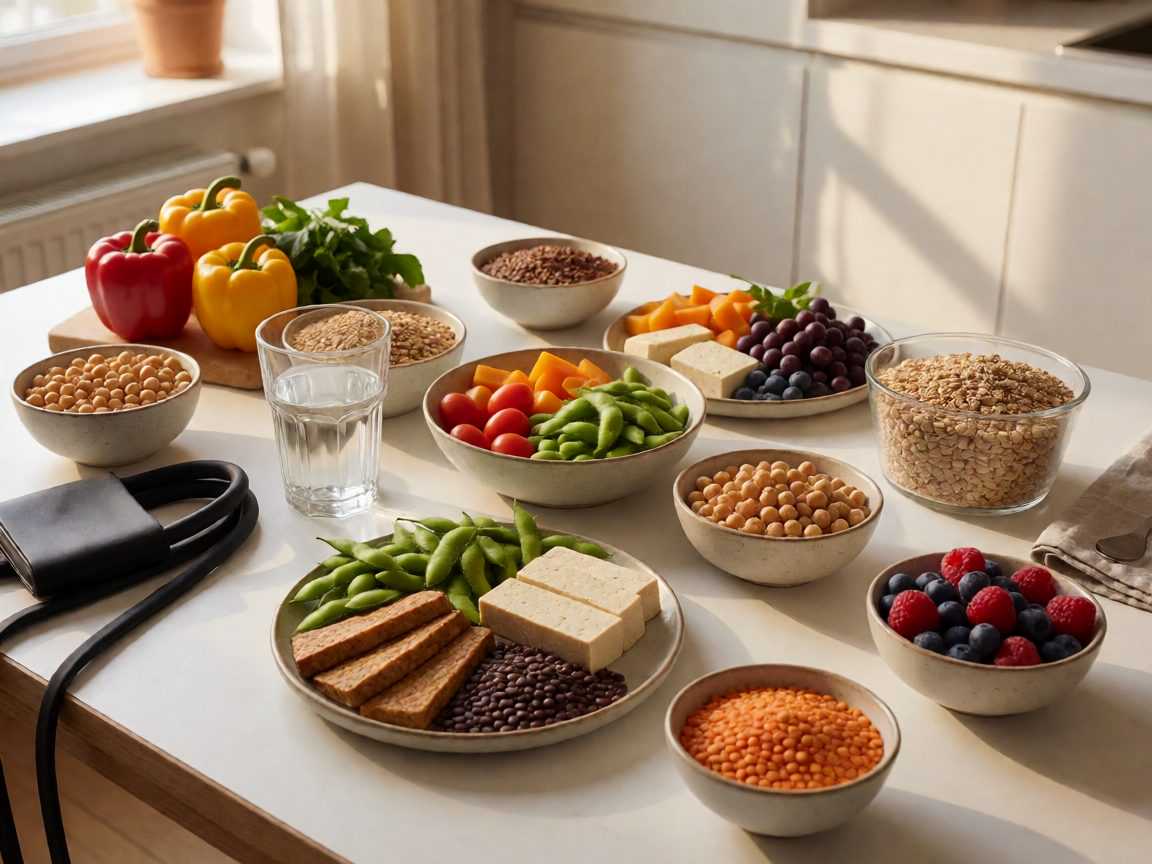
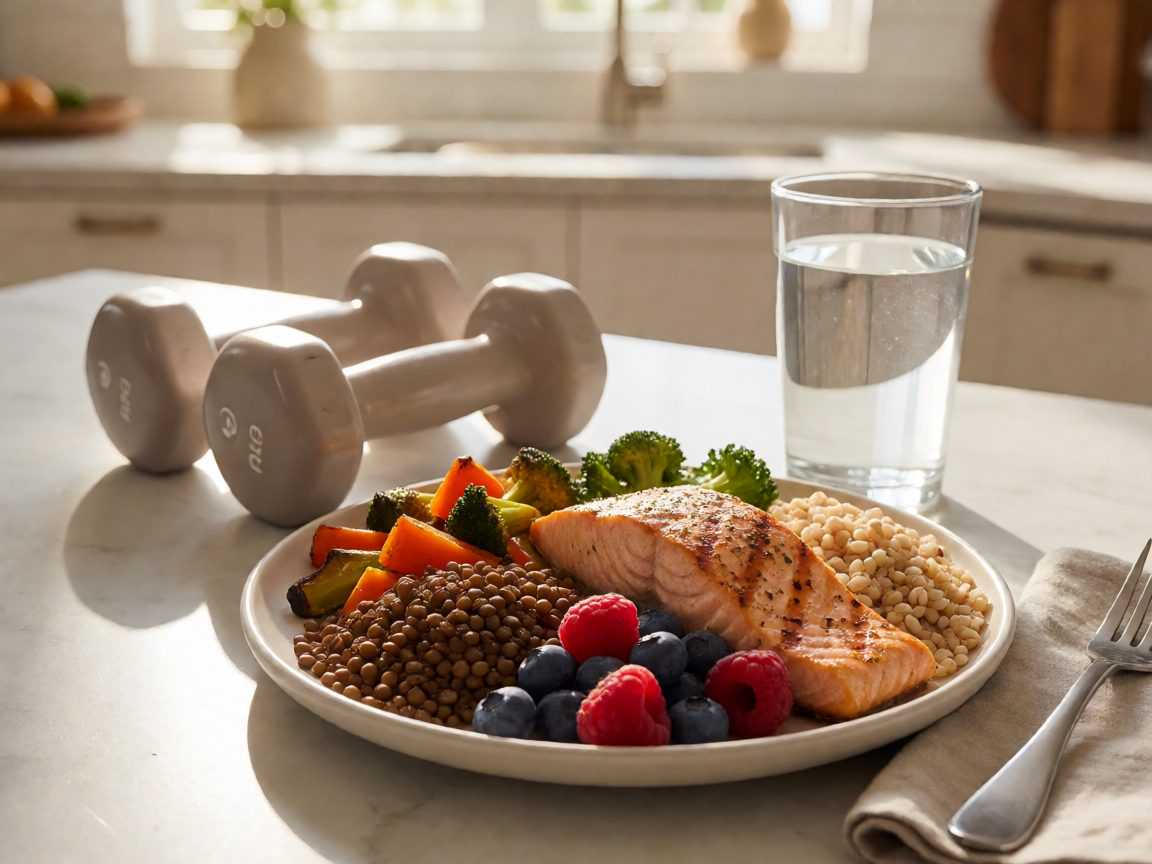
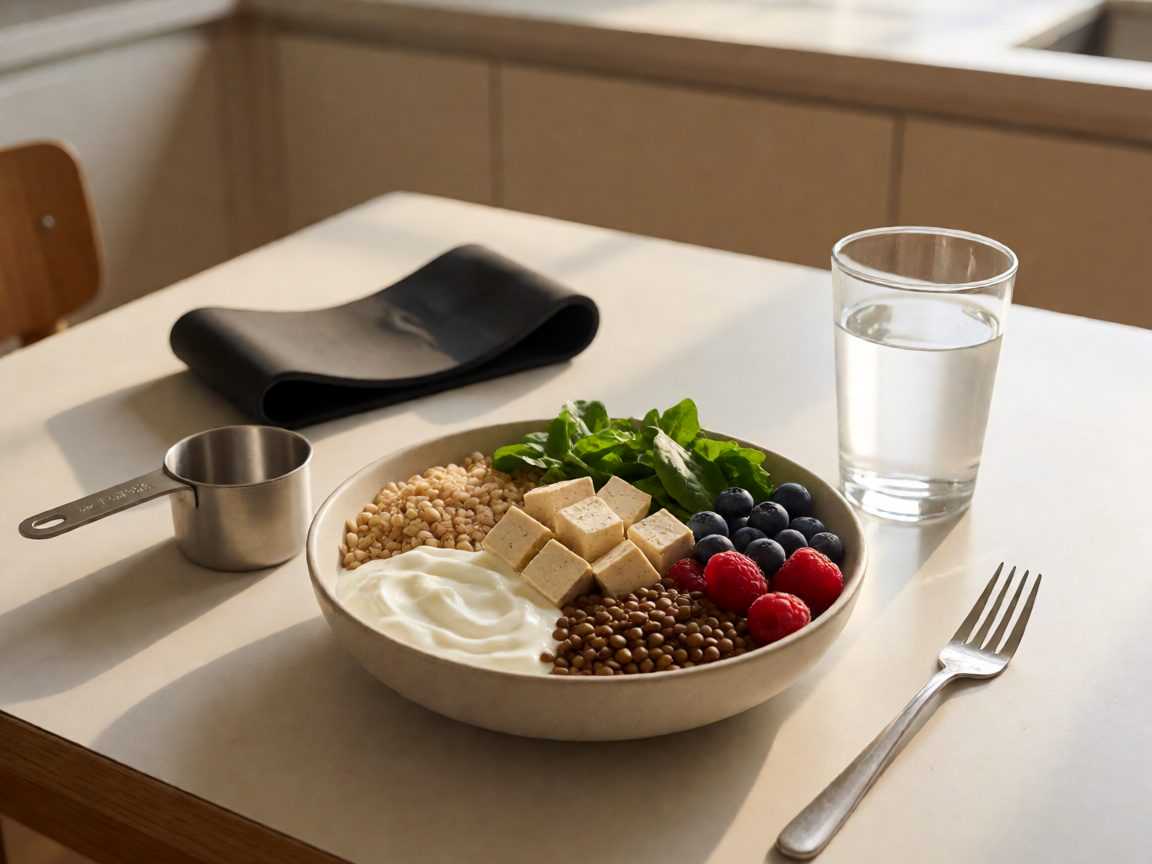
Budget meals for Zepbound can be simple, filling, and flexible. Build meals around affordable protein foods such as eggs, beans, lentils, canned fish, tofu, yogurt, or chicken; add a low-cost starch and whatever produce is available. Keep portions modest, eat slowly, and save the rest if you feel full before the plate is finished.
Zepbound is a prescription medicine, and appetite or gastrointestinal comfort can change from person to person. This guide offers practical meal ideas and shopping strategies. It does not prescribe a dose, promise weight loss, or replace advice from your clinician or a registered dietitian.
Quick answer: how do you make Zepbound meals affordable?
Use a repeatable three-part formula: an affordable protein, a satisfying carbohydrate, and a fruit or vegetable. Examples include lentil soup with toast, eggs with potatoes and frozen spinach, beans over rice with salsa, tuna with crackers and carrots, or tofu stir-fried with frozen vegetables. Buy ingredients that can appear in more than one meal, choose store brands when quality is comparable, and cook enough for leftovers without assuming you must eat a large serving at once.
- Protein value: eggs, dried or canned beans, lentils, tofu, plain yogurt, cottage cheese, canned tuna, or chicken thighs.
- Low-cost produce: frozen vegetables, carrots, cabbage, onions, bananas, apples, and seasonal fruit.
- Flexible starches: oats, rice, potatoes, whole-grain pasta, corn tortillas, or whole-grain bread.
- Flavor builders: broth, garlic, herbs, lemon, salsa, vinegar, and a small amount of oil or cheese.
For more general food guidance, visit the GLP-1 nutrition hub. The WeightMuse tools and trackers can help you compare grocery prices, note foods that feel comfortable, and plan leftovers without turning eating into a rigid scorecard.
Why budget planning matters on Zepbound
A smaller appetite can make it tempting to buy single-serve convenience foods, but those packages may cost more and may not provide the variety you want. A short list of dependable ingredients can reduce waste: oats for breakfast, eggs for a quick meal, beans for bowls or soup, frozen vegetables for sides, and yogurt or fruit for a snack. Choose a few foods you already tolerate instead of buying many new products at once.
The FDA prescribing information for Zepbound lists gastrointestinal adverse reactions and includes warnings that matter when people are eating and drinking less than usual. A budget plan should therefore include easy textures, fluids, and a backup meal, not just the cheapest calories. Persistent vomiting, severe or ongoing abdominal pain, dehydration concerns, or an inability to keep food or fluids down are reasons to contact a healthcare professional promptly.
A simple formula for budget meals for Zepbound
1. Start with a protein you can use twice
Cook a small batch of lentils, beans, eggs, tofu, or chicken and use it in two different meals. Lentils can become soup and then a soft grain bowl. Eggs can be breakfast or a topping for rice and vegetables. Tofu can be warmed with frozen vegetables or crumbled into a taco filling. Canned fish can be paired with potatoes one day and crackers or toast another day. Pick the texture and seasoning that feels easiest.
2. Add an inexpensive carbohydrate
Oats, rice, potatoes, pasta, and bread can make a small meal more satisfying. A half serving may be enough when appetite is low. Choose plain versions you can season in several ways rather than buying many specialty products. Thin oatmeal, mashed potatoes, rice with broth, or toast cut into small pieces may be gentler than a large, rich entrée.
3. Use frozen or seasonal produce
Frozen vegetables can be practical because they keep longer and require little preparation. Carrots, cabbage, onions, bananas, apples, and seasonal produce can stretch across several meals. If raw vegetables feel difficult, try steaming, roasting, or simmering them until soft. Add variety gradually and notice how your digestion responds.
4. Keep fats and sauces purposeful
A little olive oil, peanut butter, tahini, cheese, or avocado can add flavor and energy, but a very rich meal may not suit everyone. Use a small spoonful of sauce or a thin spread rather than covering the entire meal. Broth, lemon, vinegar, herbs, and salsa are inexpensive ways to add interest without requiring a complicated recipe.
Low-cost meal ideas that do not feel repetitive
Breakfast
- Oatmeal with banana, milk or fortified soy beverage, and a thin swirl of peanut butter.
- Scrambled egg with toast and cooked frozen spinach.
- Plain yogurt with oats and a chopped apple or berries.
- Potato and egg hash with onions, using a small amount of oil.
If sweet foods are unappealing, try a small bowl of broth with an egg, or toast with cottage cheese. Buy one or two breakfast staples and rotate the toppings instead of purchasing separate breakfast products.
Lunch
- Lentil soup with toast and a small fruit.
- Beans over rice with frozen vegetables and salsa.
- Tuna or mashed chickpea salad on crackers with cucumber or carrots.
- A small baked potato topped with beans, yogurt, or cottage cheese.
Our Zepbound grocery-list article includes another way to group proteins, produce, and pantry staples. Use it as a planning reference, not a required medical diet.
Dinner
Try tofu with frozen vegetables and rice, chicken-and-vegetable soup, bean pasta with tomato sauce, or a small portion of fish with potatoes and cabbage. Cook a basic component separately so you can change the combination the next day. If a large plate feels unappealing, serve a small bowl and refrigerate the rest before you start eating.
Snacks
Affordable snack options include a banana with yogurt, an egg with crackers, applesauce with cottage cheese, popcorn with a side of milk, hummus with toast, or a small portion of roasted beans. If you need food away from home, pack shelf-stable crackers, fruit, a nut-butter packet, or a protein item you already tolerate. Keep food safety in mind for dairy, eggs, fish, and leftovers.
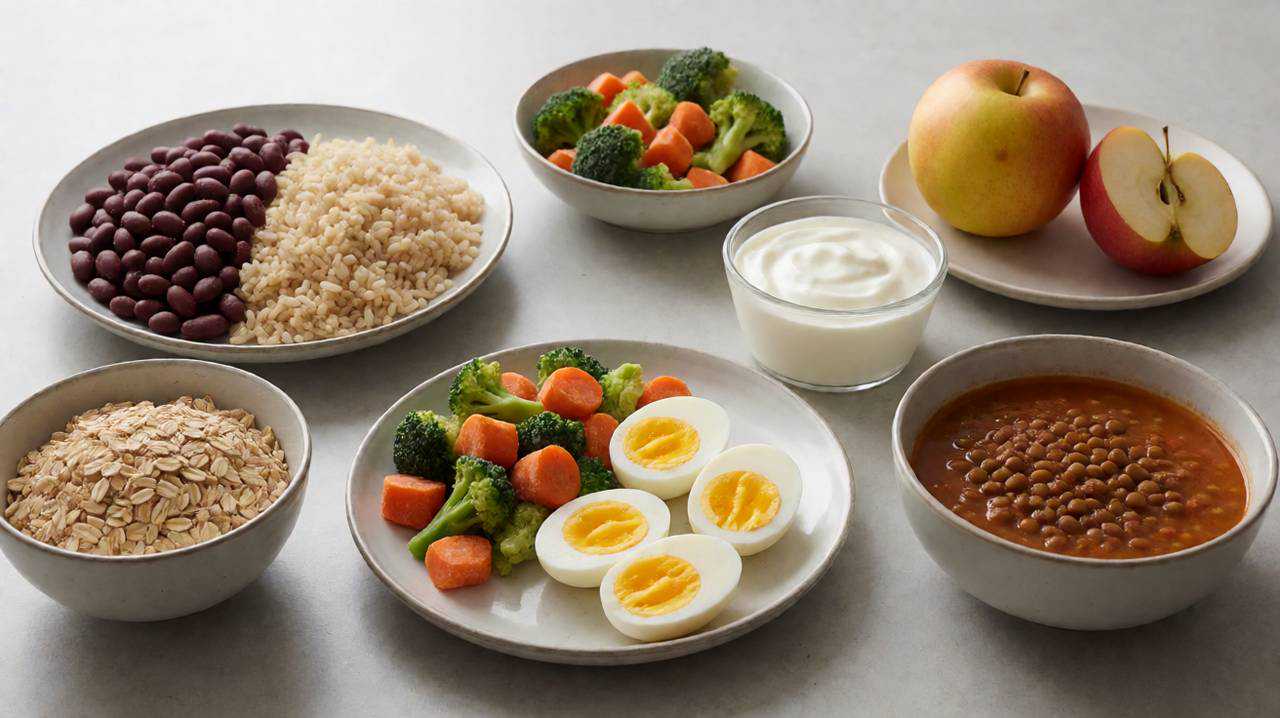
How to shop for value without creating food waste
Make a short list before shopping
Choose two proteins, two carbohydrates, two vegetables, one or two fruits, and two flavor options. For example: eggs and beans; oats and rice; frozen spinach and carrots; bananas and apples; salsa and lemon. This creates multiple combinations while keeping the list manageable. Check what is already in the pantry before buying more.
Compare price by usable portion
A low sticker price is not always the lowest cost per usable serving. Compare package size, edible amount, storage life, and how many meals you can make. Dried beans may cost less but need planning; canned beans may be worthwhile if time is limited. Frozen vegetables may reduce waste when fresh produce would spoil before you eat it.
Use leftovers deliberately
Store leftovers in small containers so they are easy to see and portion. Label the date, refrigerate perishable foods promptly, and freeze what you will not use soon. Turn yesterday’s rice into a soup, beans into a quesadilla, or cooked vegetables into an omelet. Reusing components helps the budget without requiring the same plate every day.
When appetite or tolerance changes
On a low-appetite day, choose a small bowl, cup, or plate and start with the easiest texture. Soup, yogurt, oatmeal, mashed potato, applesauce, scrambled egg, and cooked vegetables may be more approachable than a dry or heavily seasoned meal. Eat slowly and pause when comfortably satisfied. If you cannot tolerate a food, substitute another option from the same general category rather than forcing it.
On a more comfortable day, add variety and use the foods that are easiest to prepare. The National Institute on Aging recommends planning ahead, choosing a variety of foods from the food groups, including protein foods, and drinking water throughout the day. These are broad principles, not a personalized prescription. Adapt them to your medical history, allergies, budget, culture, and activity level.
For additional meal-prep ideas, see our GLP-1 menopause meal-prep guide and vegetarian semaglutide snack guide. Both can help you think in reusable components rather than expensive, one-purpose recipes.
FAQ
What is the cheapest high-protein food to eat on Zepbound?
There is no single best choice for every budget or preference. Eggs, beans, lentils, tofu, plain yogurt, canned fish, and chicken can all be practical options. Compare local prices, package sizes, storage needs, and how well you tolerate each food. A lower-cost food is not useful if it repeatedly causes discomfort or goes to waste.
Do budget meals have to be bland?
No. Use herbs, garlic, lemon, vinegar, salsa, broth, or a small amount of cheese or oil to vary flavor. Buy one versatile seasoning blend instead of many specialty sauces. Keep spice levels moderate if rich or spicy foods worsen symptoms.
Should I skip meals to save money?
Skipping meals is not a required part of a Zepbound nutrition plan. A small, simple meal may be more realistic than a large one. If cost is making it difficult to eat regularly, consider local food assistance, a community food program, or a clinician or dietitian who can help adapt meals to your resources.
Can I use protein shakes?
A shake is optional. It may be convenient, but it can be more expensive than eggs, beans, yogurt, tofu, or another food. If you use one, choose a product you tolerate and check the ingredients and serving size. Do not assume a larger serving is better.
When should I ask for medical help?
Contact your healthcare professional for persistent or severe gastrointestinal symptoms, difficulty keeping fluids down, signs of dehydration, or concerns that you are unable to maintain adequate nutrition. Severe abdominal pain that does not go away warrants prompt medical attention. The FDA Zepbound prescribing information contains the official warnings and patient counseling details.
Health boundaries
This article is general nutrition education. It does not diagnose symptoms, set your calorie or protein target, recommend a Zepbound dose, or tell you to start, stop, or change medication. Use the National Institute on Aging meal-planning guidance for broad ideas about variety, planning, protein foods, produce, hydration, and budget-friendly shopping, then ask a qualified professional to personalize the plan if needed.
A sustainable food budget usually comes from a short list of foods you can tolerate, repeat, store safely, and combine in different ways. Start with one affordable protein and one easy meal, then build from there.