Tirzepatide Nutrition: Food Ideas and Practical Support
If you need easy snack ideas while taking tirzepatide, begin with a small, balanced combination that is easy to prepare and comfortable to eat. Plain yogurt with berries, an egg with cucumber, edamame with a few whole-grain crackers, or hummus with soft vegetables can all work as starting points. There is no single required tirzepatide diet. A useful routine is to keep protein foods, produce, simple carbohydrates, and unsweetened drinks available, then adjust the portion and texture to your appetite and tolerance.
Quick answer
Choose a modest snack with a protein food plus fruit or vegetables, and add a small portion of grains or beans if that feels comfortable. Favor foods with little added sugar, eat slowly, and stop when satisfied. If ongoing nausea, vomiting, diarrhea, severe abdominal pain, or difficulty keeping fluids down is affecting your intake, contact your healthcare professional instead of trying to solve the problem with increasingly strict food rules.
What makes a snack useful while taking tirzepatide?
Tirzepatide can change appetite and the amount of food that feels manageable at one time. The best snack is therefore practical rather than perfect: it should be available when you need it, simple enough to prepare, and flexible enough to adjust. Texture matters too. Some people prefer cool, soft, or lightly seasoned foods when their appetite is lower, while others prefer a crisp or savory option.
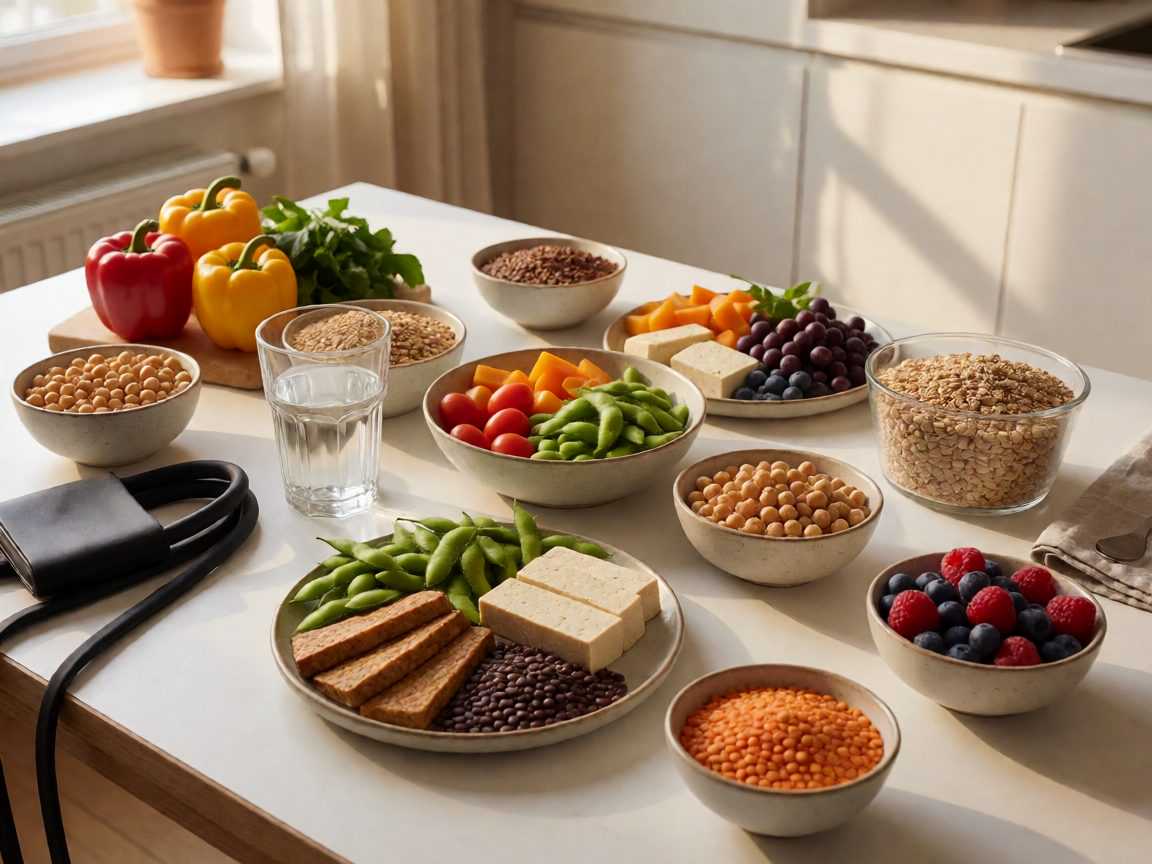
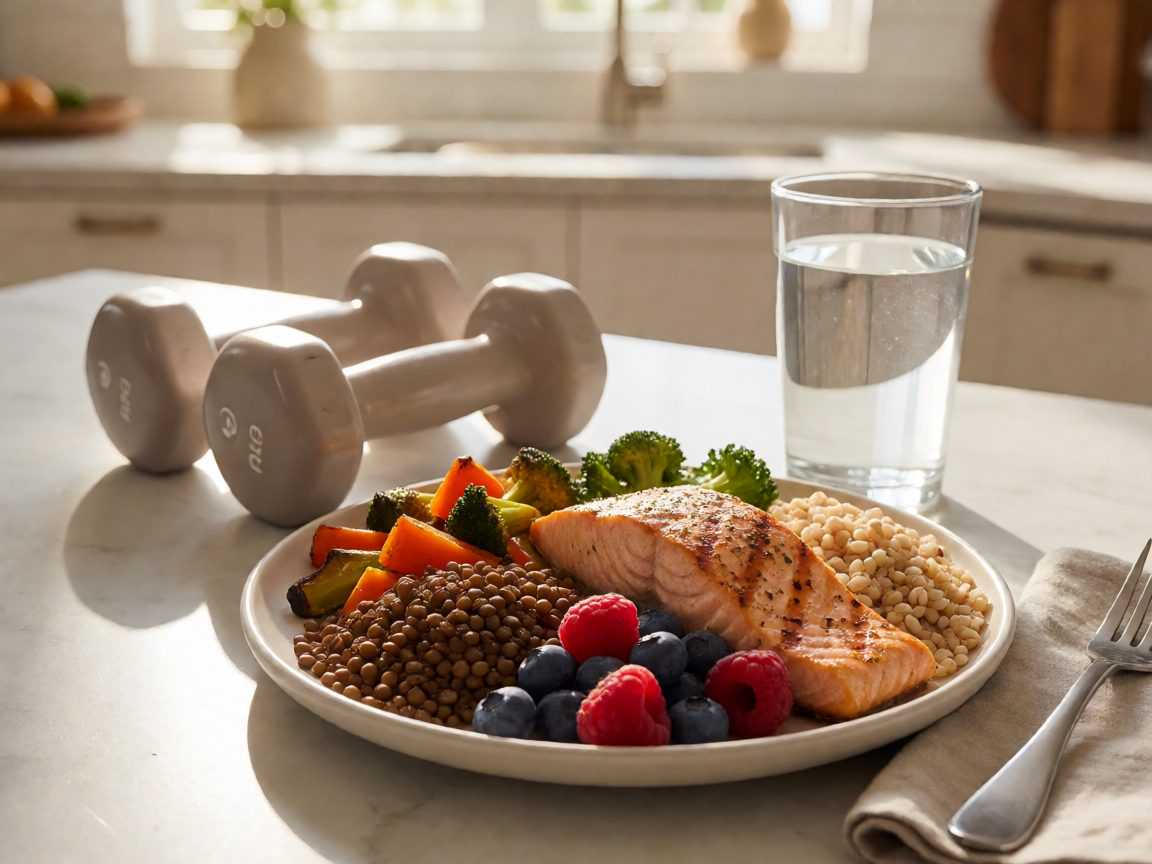
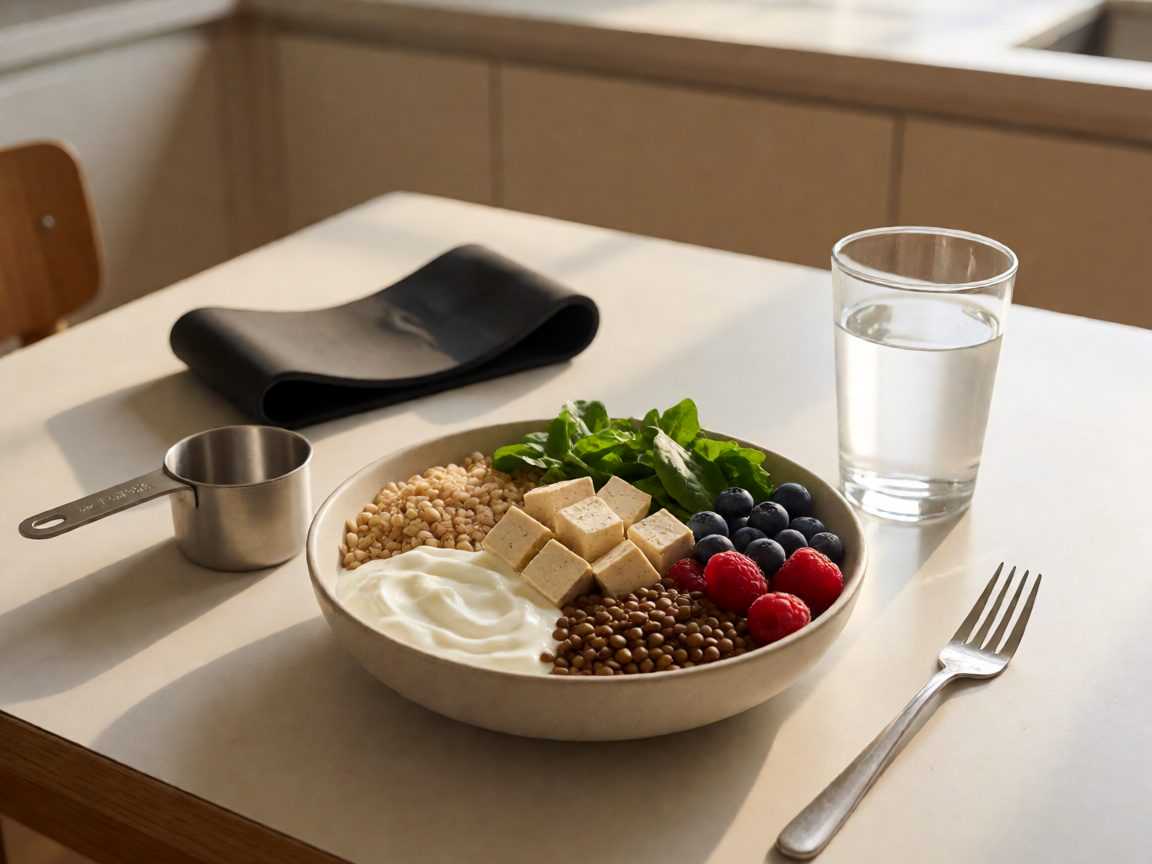
Pairing a protein food with produce is a convenient way to make a snack more substantial. Yogurt, eggs, cottage cheese, fish, poultry, tofu, edamame, and beans can provide protein. Berries, citrus, apples, cucumber, tomatoes, carrots, leafy greens, and cooked vegetables can add fiber and variety. Whole-grain crackers, oats, toast, or beans may provide a gentle carbohydrate option when useful. You do not need to eliminate a food group unless a qualified clinician has given you a specific reason.
For broader planning, visit the WeightMuse GLP-1 Nutrition hub and use the food and meal-planning tools to organize snacks around your workday, travel, and shopping routine. These resources support planning; they do not replace individualized care.
Easy snack ideas while taking tirzepatide
These examples are templates, not prescriptions. Start with a small serving and add more only if it feels comfortable. If one ingredient does not agree with you, swap it without abandoning the whole structure.
1. Plain yogurt with berries
Use plain Greek yogurt or another unsweetened yogurt with strawberries, blueberries, or raspberries. Cinnamon, lemon zest, or vanilla can add flavor without syrup. If dairy is not a fit, try unsweetened fortified soy yogurt or a small serving of silken tofu blended with fruit. Check the label on flavored yogurt because added sugar varies among products.
2. Egg with cucumber or cooked vegetables
A hard-boiled egg with cucumber rounds, tomatoes, or bell pepper is a simple savory snack. If raw vegetables feel too rough, choose steamed carrots, roasted zucchini, or a small cup of mild vegetable soup. Keep the seasoning gentle if spicy or greasy foods are uncomfortable.
3. Edamame and whole-grain crackers
Edamame provides a plant-based protein option that can be served warm or chilled. Pair a small portion with a few whole-grain crackers and a squeeze of lemon. Frozen shelled edamame can be quick to prepare, and it stores well for planned snacks. If soy is not part of your diet, substitute mashed beans or a bean spread.
4. Cottage cheese with fruit
Try cottage cheese with sliced pear, apple, peach, or melon. Choose ripe fruit that is easy to chew, and use a portion that fits your appetite. Ricotta, plain yogurt, or tofu can provide a similar creamy base if cottage cheese is not appealing.
5. Hummus and soft vegetables
Pack a few tablespoons of hummus with cucumber, roasted peppers, carrots, or celery. If raw vegetables cause discomfort, lightly steam them or choose a smooth vegetable soup. Hummus contains chickpeas and tahini, so a smaller portion may be easier if legumes or higher-fat foods feel heavy for you.
6. Tuna, salmon, or white-bean cups
Make a simple mixture with tuna, salmon, mashed white beans, or chopped egg and a little plain yogurt, lemon, or herbs. Serve it in lettuce leaves, cucumber boats, or a small whole-grain toast portion. Refrigerate prepared fillings promptly and follow standard food-safety practices.
7. Nuts or seeds with fruit
A pre-portioned amount of unsalted almonds, walnuts, pumpkin seeds, or sunflower seeds can pair with an orange, berries, or a few apple slices. Nuts and seeds are concentrated foods, so measuring a small portion before eating may be more comfortable than snacking from a large bag.
How to choose a comfortable portion
There is no universal portion that is right for everyone taking tirzepatide. Appetite, nausea, activity, medical conditions, food preferences, and meal timing all affect what works. Start with a small plate or container and give yourself permission to stop. Leftovers can become another snack or part of a small meal later.
- Pick one protein anchor: yogurt, eggs, cottage cheese, fish, poultry, tofu, edamame, beans, or fortified soy foods.
- Add one produce option: berries, citrus, melon, cucumber, tomatoes, carrots, greens, or cooked vegetables.
- Add a carbohydrate if useful: oats, whole-grain crackers, toast, fruit, or beans.
- Use fat for taste and satisfaction: a few nuts, seeds, avocado, tahini, or a little olive-oil dressing if tolerated.
- Keep an unsweetened drink nearby: water is a simple default, but your healthcare professional may advise differently for a medical condition.
If a food repeatedly causes discomfort, record the ingredient, portion, texture, timing, and symptoms. Bring that pattern to a registered dietitian or prescribing clinician. A food diary is more helpful than assuming the ingredient is permanently unsuitable.
Before choosing a snack, pause for a moment and ask what feels manageable today. This small check can help you select texture and portion with less pressure.
Easy grocery list while taking tirzepatide
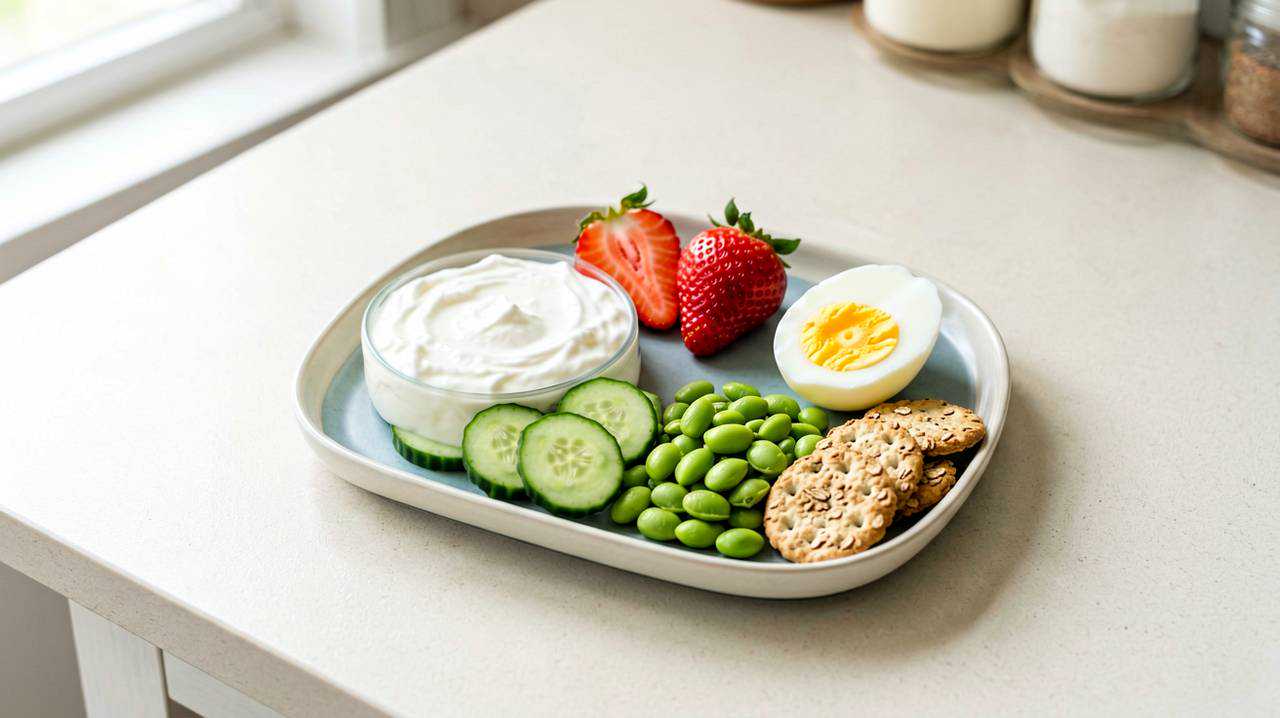
A short grocery list can make snack planning much easier. Choose two protein foods, two fruits, two vegetables, and one or two pantry items. For example, buy plain yogurt and eggs; berries and apples; cucumber and baby carrots; plus hummus, whole-grain crackers, canned beans, or unsalted seeds. Frozen berries, frozen vegetables, and shelf-stable fish can reduce waste when appetite changes from day to day.
Keep foods in forms that remove friction. Pre-washed produce, single-serve yogurt, microwaveable vegetables, and cooked eggs may be more useful than ingredients that require a long recipe. Portion nuts, crackers, or hummus into small containers so you can decide how much to eat before opening the package. Review labels for added sugar and sodium, but do not let label reading turn meals into a source of anxiety.
The GLP-1 grocery-list example shows how to group proteins, produce, and practical staples. The same shopping structure can be adapted to many dietary preferences and does not assume that you have PCOS.
Easy hydrating foods while taking tirzepatide
Hydration is not limited to plain water. Foods with water content can help make a routine more appealing, including melon, oranges, berries, cucumber, tomatoes, yogurt, soups, and cooked vegetables. Sip fluids across the day rather than waiting until you feel very thirsty. If nausea is present, small sips or cooler drinks may be easier for some people, but individual tolerance varies.
Avoid using sweetened beverages as your main source of fluid if you are trying to reduce added sugar. Unsweetened tea, water with lemon or mint, and broth-based soups are possible alternatives. If a clinician has given you fluid or electrolyte restrictions, follow that plan rather than general online advice.
When a snack should become a small meal
Sometimes another snack is not enough. An easy small meal while taking tirzepatide could be oatmeal topped with yogurt and berries, a vegetable omelet with toast, chicken or tofu soup with crackers, or a small rice-and-edamame bowl with cooked vegetables. Choose a meal that offers more than one food group without making the portion feel overwhelming.
Batch preparation can be simple. Prepare two or three components, such as cooked eggs or tofu, washed fruit, and a grain or bean. Combine them in different ways across the week rather than preparing one large recipe. For another example of manageable meal structure, see the GLP-1 meal-prep guide. If you prefer vegetarian options, the vegetarian semaglutide snack guide offers additional combinations.
Practical work and travel strategies
For work, pack a yogurt cup, egg, fruit, hummus with vegetables, or a small bean-and-grain bowl. Keep sauces and dressings separate, and save part of a restaurant serving instead of feeling obligated to finish it. A soup-and-salad combination or a half sandwich with fruit can be easier to adjust than a very large entrée.
For travel, choose foods that fit the temperature and time available. Shelf-stable options may include unsalted nuts, roasted chickpeas, whole-grain crackers, or a lower-added-sugar protein bar that you tolerate. A cooler can hold yogurt, eggs, cheese, cut fruit, and vegetables. Do not keep perishable foods at room temperature longer than recommended, and replace anything that has been stored unsafely.
Lower added sugar without making food joyless
Low-sugar choices can still be flavorful. Start with unsweetened basics and add cinnamon, citrus, herbs, ginger, or a small amount of a favorite condiment. Compare labels on yogurt, granola, protein bars, nut butters, sauces, and drinks. Ingredients such as syrups, dextrose, and other sweeteners may appear in products that sound healthy.
There is no need to turn a snack into a moral test. A naturally sweet fruit or a planned dessert can fit within an overall eating pattern. Consider the portion, texture, timing, and your comfort. The goal is a repeatable routine that supports nutrition and enjoyment, not a promise of guaranteed weight loss.
Health boundaries and when to seek help
Tirzepatide is a prescription medicine, and food guidance cannot replace instructions from your prescribing clinician. The FDA Mounjaro label describes gastrointestinal effects including nausea, vomiting, diarrhea, abdominal pain, and constipation, and warns that gastrointestinal reactions can be associated with dehydration and acute kidney injury. Read the FDA Mounjaro prescribing information for official safety information.
Contact your healthcare professional promptly for persistent or severe symptoms, inability to keep fluids down, signs of dehydration, severe or ongoing abdominal pain, or any symptom that concerns you. Do not change a dose, stop medication, or attempt to treat a suspected adverse effect solely with online nutrition advice. People with diabetes, kidney disease, food allergies, pregnancy, a history of eating disorders, or other medical needs may require individualized support.
For general meal planning, the National Institute on Aging meal-planning guidance recommends variety, nutrient-dense foods, protein choices, fruits and vegetables, water, and limiting added sugar. These are broad planning principles, not a personalized treatment plan.
FAQ
What are easy snack ideas while taking tirzepatide?
Try plain yogurt with berries, an egg with cucumber, edamame with whole-grain crackers, cottage cheese with fruit, hummus with vegetables, or a small portion of nuts with fruit. Start with the option and serving size you tolerate best.
What should I buy for an easy grocery list while taking tirzepatide?
Choose a few proteins, fruits, vegetables, and flexible pantry items: yogurt, eggs, tofu or beans, berries, apples, cucumber, carrots, hummus, whole-grain crackers, and unsalted seeds are examples. Select alternatives that match your dietary needs and storage options.
What are easy hydrating foods while taking tirzepatide?
Water-rich foods such as melon, citrus, berries, cucumber, tomatoes, yogurt, soups, and cooked vegetables can complement fluids. If you have a condition that affects fluid intake, follow your clinician’s advice.
Should I avoid fat, fiber, or carbohydrates?
Not automatically. Some people tolerate certain portions or textures better than others. Adjust rich foods, fiber, or carbohydrates based on your symptoms and clinician guidance rather than removing an entire category without a reason.
Can a snack replace a meal?
It can be a bridge when appetite is low, but a snack may not provide everything you need. If you often cannot eat regular meals, feel weak, or lose weight unintentionally, speak with your healthcare professional or a registered dietitian.
What if nausea or diarrhea makes eating difficult?
Prioritize the safety instructions from your prescribing clinician. Choose small, simple foods only if you can tolerate them, keep fluids available, and seek medical guidance for persistent or severe symptoms, dehydration, or inability to keep fluids down.
Key takeaways
- Build a small snack around a protein food and produce, then adjust texture and portion to your comfort.
- Keep an easy grocery list and hydrating foods ready so low appetite does not leave you without practical options.
- Use labels to limit added sugar, but avoid rigid rules that remove enjoyable foods without a medical reason.
- Persistent gastrointestinal symptoms, dehydration, or severe pain require medical advice rather than a stricter snack plan.