GLP-1 Nutrition: Food Ideas and Practical Support
Quick answer: To help prevent muscle loss on GLP-1 treatment, make protein and resistance exercise regular parts of your routine, eat enough total food to support daily function, and monitor strength rather than relying only on the scale. Build meals around a practical protein serving, add vegetables or fruit and a fiber-rich carbohydrate when tolerated, and use smaller meals or snacks if appetite is low. A clinician can help you adjust the plan when nausea, vomiting, rapid weakness, or another concerning symptom makes eating or training difficult.
GLP-1 medicines can change appetite, fullness, and the pace at which food moves through the digestive system. That can make a calorie deficit easier to create, but it can also make it harder to notice that you are eating too little. Weight loss may include fat, water, and lean tissue. No food or workout can guarantee that every pound lost will come from fat, yet a steady muscle-support plan can make it easier to maintain strength, mobility, and the routines that support long-term weight management.
What “prevent muscle loss” really means
In this context, “prevent” is a planning goal, not a promise. The useful questions are: Can you keep doing ordinary activities? Is your strength stable or gradually improving? Are you eating enough protein across the day? Are you recovering from exercise? Looking at those signals together gives a more useful picture than a single body-weight reading.
The WeightMuse GLP-1 Nutrition hub has more guidance on eating patterns, and the weight maintenance guide can help you turn short-term habits into a sustainable routine. If you have kidney disease, a history of an eating disorder, a swallowing problem, diabetes, or another condition that affects food or exercise, use individualized advice from your healthcare team.
1. Make protein the anchor of each eating occasion
Protein helps build and repair tissue and is one of the easiest meal elements to overlook when appetite is reduced. Instead of trying to force one very large meal, distribute protein across the meals and snacks you can comfortably manage. A useful starting point is to include one palm-sized serving of a protein food at a meal, then adjust the portion to your appetite, body size, activity, medical needs, and clinician’s advice.
Practical protein options
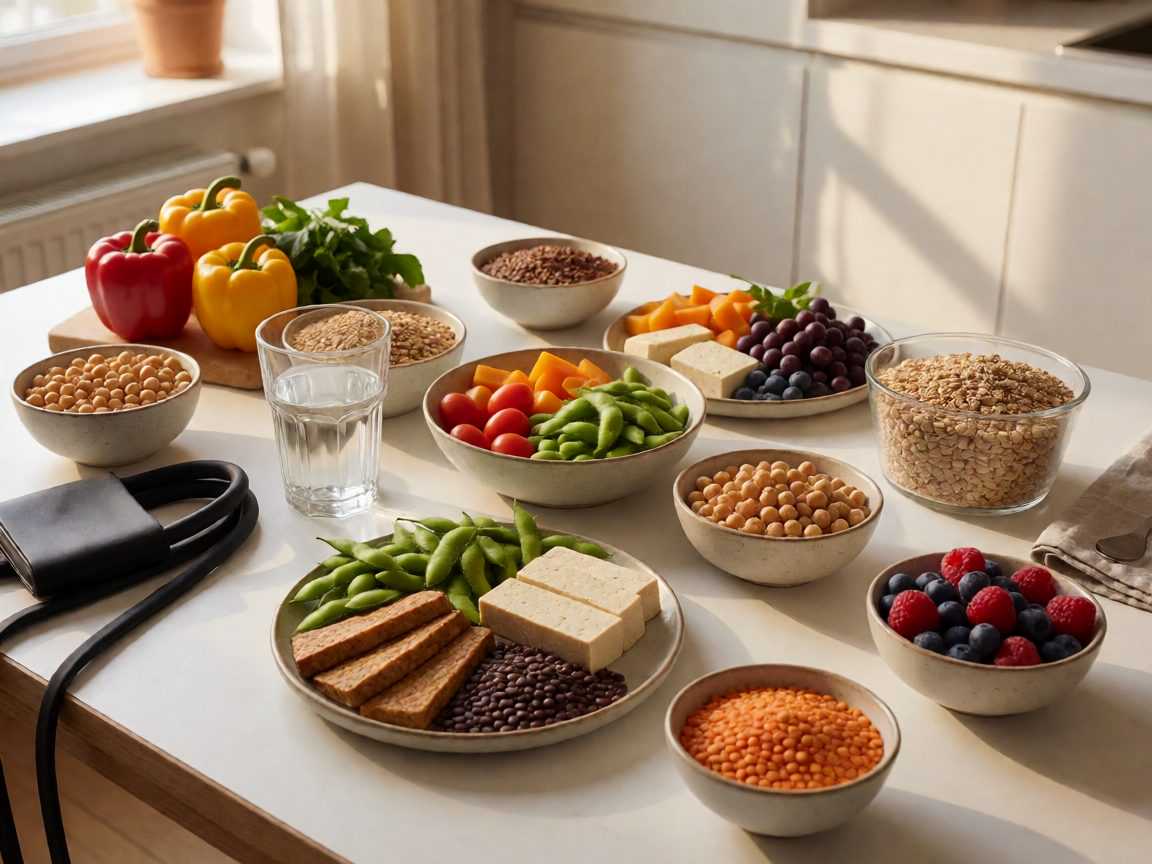
- Greek yogurt, cottage cheese, milk, or fortified soy milk with fruit and oats.
- Eggs with beans, whole-grain toast, or sautéed vegetables.
- Fish, chicken, turkey, lean meat, tofu, tempeh, or edamame with a vegetable and a grain or potato.
- Lentil, chickpea, or bean bowls paired with yogurt, cheese, tofu, or another protein source.
- A clinician-approved protein shake when chewing or cooking feels difficult; treat it as a tool, not a replacement for all meals.
If you eat vegetarian or vegan, combine varied protein foods over the day rather than depending on one item. A snack of soy yogurt and pumpkin seeds, edamame with fruit, or hummus with vegetables can be easier to tolerate than a heavy plate. For meal-planning ideas that work around limited appetite, see our guide to meal prep for people in menopause on GLP-1.
2. Use a simple plate formula when appetite is unpredictable
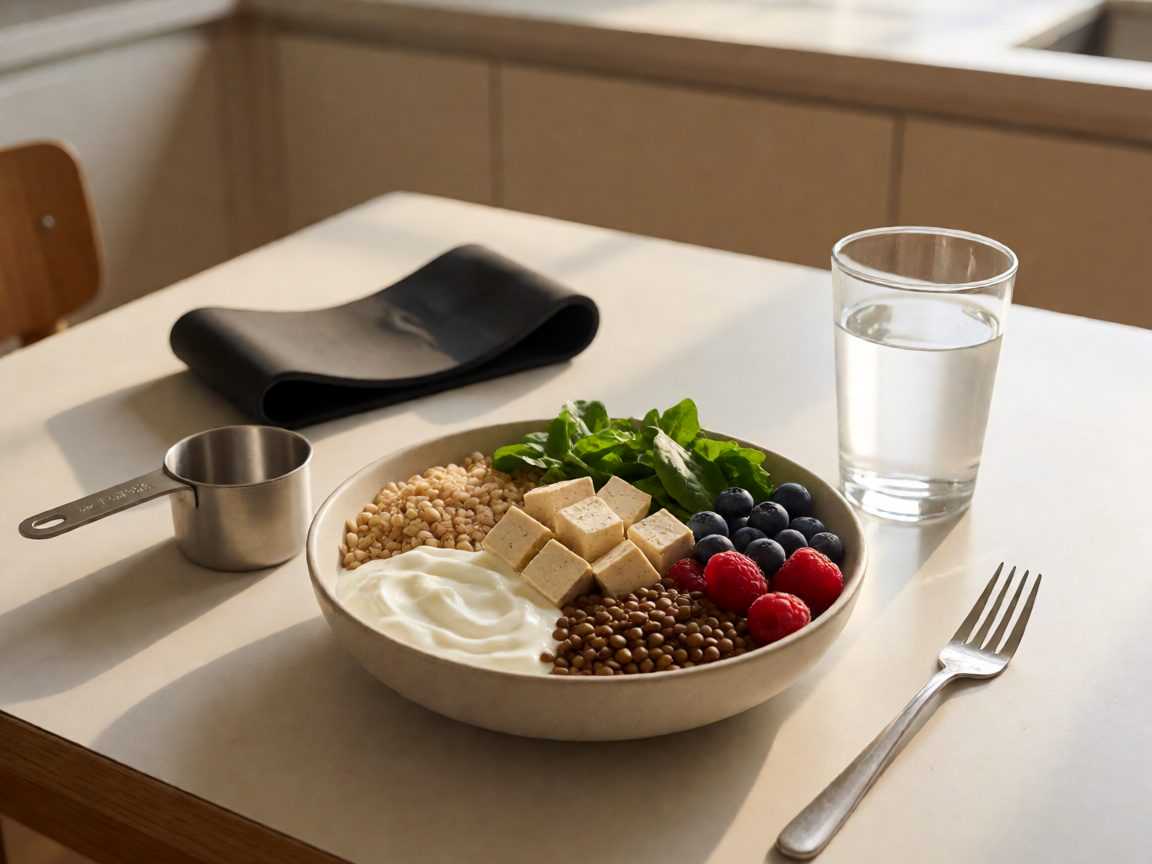
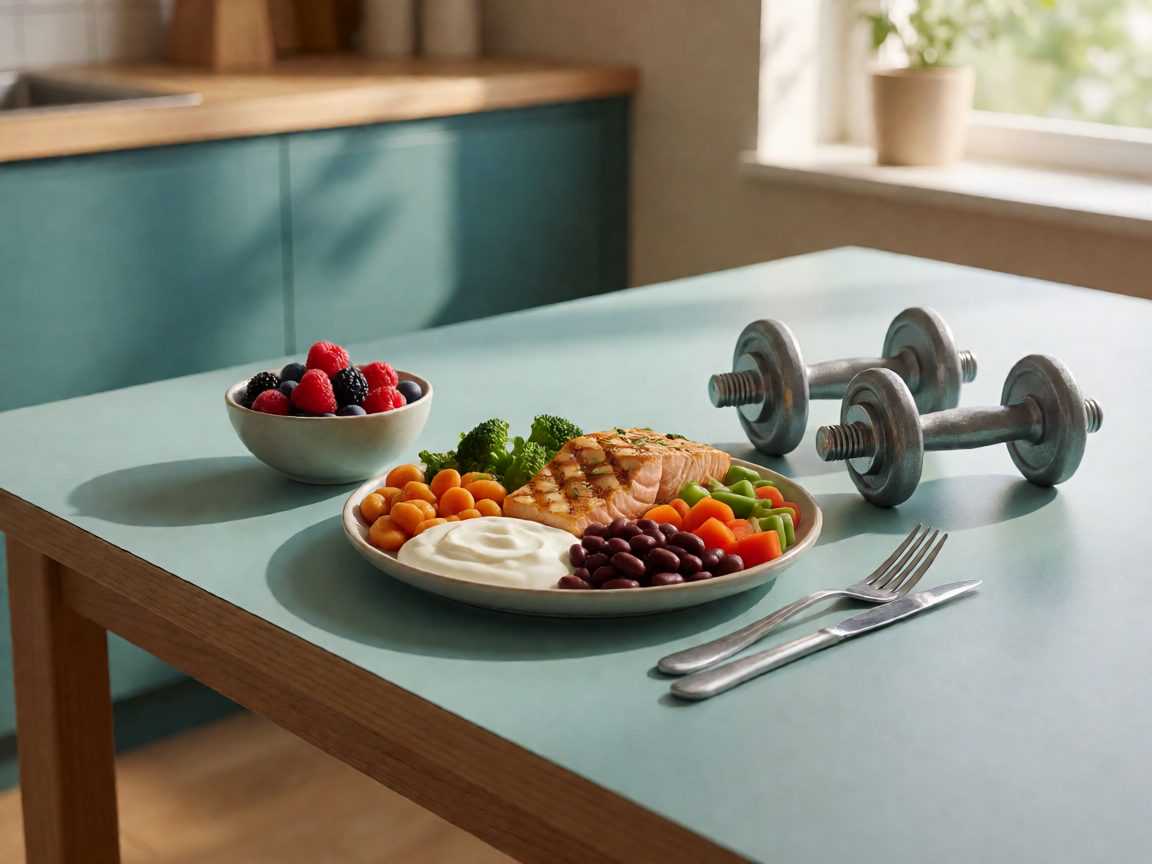
A flexible plate formula reduces decision fatigue. Start with a protein anchor, add a generous but comfortable portion of vegetables or fruit, and include a fiber-rich carbohydrate or healthy fat as tolerated. You do not need to make every meal perfect. The goal is to create repeatable combinations that deliver protein, fluids, fiber, and enough energy without making the plate feel overwhelming.
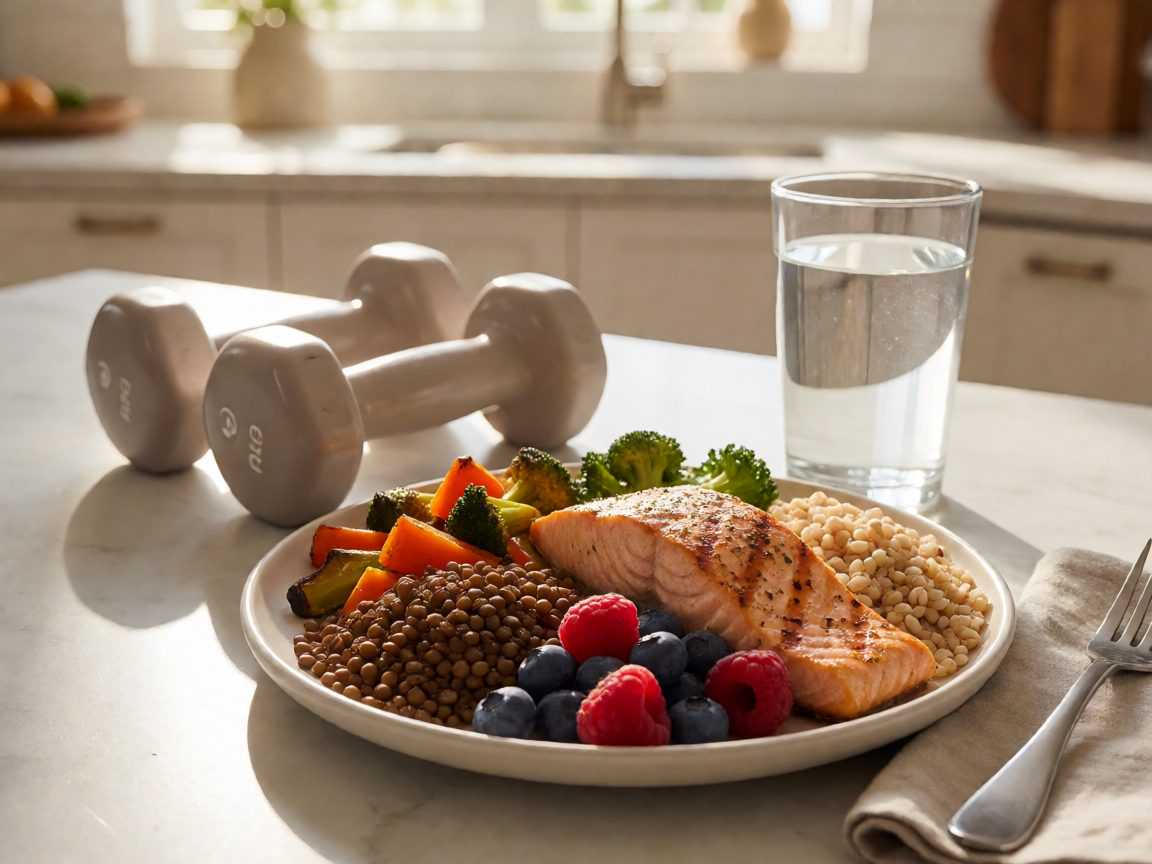
For example, try salmon, tofu, or beans with roasted vegetables and a small portion of potatoes or brown rice. Another option is yogurt with oats, berries, and seeds. A quick meal might be a turkey or tofu wrap with a side of fruit. The protein and fiber foods hub can help you build a grocery list from foods you already tolerate.
When a full meal feels like too much
Split the same meal into two smaller eating occasions. Eat the protein first if you tend to fill up quickly, then return later for the vegetables or carbohydrate. A small bowl of yogurt, a boiled egg with toast, or soup with beans can be more realistic than an oversized dinner. Keep easy options visible and ready: washed fruit, individual yogurt containers, cooked eggs, tofu, canned fish, or low-sodium beans. Our GLP-1 grocery-list example shows how to organize convenient foods without depending on ultra-processed snacks.
3. Pair nutrition with progressive resistance exercise
Protein gives the body building material, while resistance exercise gives the muscles a reason to keep adapting. The CDC recommends that adults include muscle-strengthening activity on at least two days per week, alongside aerobic activity. The National Institute on Aging explains that strength exercises can help maintain existing strength, slow loss of muscle mass, and support everyday mobility. These are general activity guidelines, not a personalized training prescription.
Start with movements that match your current ability: sit-to-stand from a stable chair, wall push-ups, a resistance band row, a hip hinge, a step-up with a handrail, or light dumbbell presses. Use controlled movement and stop before pain or unusual breathlessness. When a set becomes easy with good form, add a small amount of resistance, an extra repetition, or another set. If you are new to exercise, have balance concerns, or are recovering from an injury, ask a qualified professional for an appropriate starting point.
Someone searching for a strength workout plan while taking GLP-1 often needs a schedule that is modest enough to repeat. Two short full-body sessions can be more useful than one exhausting workout. On other days, walk, cycle, swim, or do another activity you enjoy. A strength training on GLP-1 for men over 50 plan should also account for joint history, balance, blood pressure, medications, and training experience; age and sex alone do not determine the right load.
4. Do not let side effects turn into prolonged under-eating
Nausea, vomiting, diarrhea, abdominal discomfort, and constipation can occur with some GLP-1 medicines. If symptoms make it hard to keep food or fluids down, the priority is safety and medical advice, not completing a workout or hitting a nutrition target. Contact your prescriber about persistent or severe symptoms, signs of dehydration, severe abdominal pain, fainting, or new weakness. Do not change, stop, or restart medication based on an online article.
On a mildly unsettled day, some people tolerate smaller portions, slower eating, bland or lower-fat foods, and fluids taken in frequent sips. Tolerance varies, so use your own clinician’s instructions. A light snack before exercise may be more practical than training completely fasted, particularly if you feel shaky or unusually tired. Skip or shorten the session when your body is signaling that recovery is not adequate.
5. Support fiber, fluids, and recovery
Protein is important, but muscle-supportive eating is not a protein-only diet. Vegetables, fruit, legumes, oats, potatoes, and whole grains can provide fiber and carbohydrate for meals and activity. Add these foods gradually if your digestion is sensitive. Drink regularly and follow medical advice if you have a fluid restriction or a condition that changes hydration needs.
Sleep and recovery matter too. Plan a rest day after a demanding session, keep a consistent bedtime when possible, and avoid interpreting normal day-to-day fatigue as a signal to push harder. A simple weekly note can track meals that felt comfortable, exercise completed, sleep quality, and symptoms. This record can make a healthcare visit more useful and may reveal that a different meal size or training time is easier to repeat.
A sample day of muscle-supportive GLP-1 nutrition
This is an example of structure, not a prescription or calorie target. At breakfast, try Greek yogurt or fortified soy yogurt with oats, berries, and seeds. At lunch, choose a smaller bowl with tofu or chicken, vegetables, and rice or potatoes. If a full dinner feels too large, split it: first have fish, beans, or eggs with cooked vegetables, then later add fruit, soup, or a small serving of a fiber-rich carbohydrate.
For snacks, keep two categories available: protein-forward options such as cottage cheese, edamame, milk, or a clinician-approved shake; and easy produce or carbohydrate options such as fruit, toast, oats, or crackers. Pairing the two can be more satisfying than grazing on small sweets alone. If you follow a vegetarian pattern, see our vegetarian GLP-1 snack ideas for combinations that can be prepared ahead.
How to monitor progress without obsessing over the scale
Once or twice a week, consider a few functional questions: Are stairs, chairs, groceries, and daily walking becoming easier or harder? Can you perform the same exercises with similar form? Are you recovering between sessions? Is your appetite so low that regular meals are consistently difficult? Note trends rather than reacting to a single day.
Unexpected or rapid weakness, repeated falls, persistent dizziness, fainting, inability to maintain fluids, or ongoing vomiting deserves prompt medical attention. A clinician may review your medication, symptoms, medical history, food intake, and activity. A dietitian or physical therapist can help with individualized protein, meal timing, or exercise support when general guidance is not enough.
FAQ
Can protein alone prevent muscle loss on GLP-1?
No. Adequate protein can support tissue maintenance, but the overall pattern also includes enough total nourishment, resistance exercise, sleep, hydration, and management of side effects. Individual results vary, and protein needs are not the same for everyone.
Should I avoid carbohydrates while trying to preserve muscle?
Not automatically. Beans, fruit, oats, potatoes, and whole grains can add fiber and energy for daily activity. Choose portions and types that fit your medical needs and digestion. Very restrictive eating can make it harder to fuel exercise and may worsen an already low appetite.
What if I cannot tolerate a large protein serving?
Use smaller servings more often. Try yogurt, milk, tofu, eggs, fish, beans, or a clinician-approved shake in the form that feels easiest. Soft or blended foods may be more comfortable temporarily, but seek advice if the problem persists.
Is a strength workout plan while taking GLP-1 safe for everyone?
No single plan is safe for everyone. Start below your maximum, use stable equipment, and ask a clinician or qualified exercise professional if you have heart, kidney, bone, balance, or joint concerns, or if medication and symptoms affect exercise tolerance.
What is the most important first step?
Choose one repeatable protein-containing meal and one short, manageable resistance session for the week. Build consistency before adding complexity. If side effects or low appetite prevent that, contact your healthcare team for help.
Health boundaries and sources
This article is general education, not medical diagnosis or treatment. It does not provide medication doses, prescribe a diet, or promise a specific amount of weight or muscle change. Review any major nutrition or exercise change with your healthcare professional, especially if you are pregnant, managing diabetes, have kidney disease, or have significant gastrointestinal symptoms.