Quick answer: If you are asking when to have electrolyte drinks on Zepbound, keep plain water as your everyday default. An electrolyte drink may be useful after meaningful sweating, during prolonged activity, in hot conditions, or when vomiting or diarrhea has caused fluid loss. Zepbound use alone does not mean you need one every day. Choose a measured serving, check the sodium, potassium, added sugar, caffeine, and serving-size information, and ask a clinician or pharmacist before using one if you have kidney, heart, blood-pressure, or fluid-restriction concerns.
Zepbound can change appetite, meal size, and gastrointestinal comfort. When meals become smaller or nausea makes drinking less appealing, a basic hydration routine may require more planning. The goal is not to find a special beverage that promises a weight outcome. It is to recognize situations that may increase fluid losses, use a drink you can tolerate, and know when symptoms need medical attention rather than another scoop of powder.
When an electrolyte drink may make sense
Electrolytes are minerals such as sodium and potassium. They come from ordinary foods and beverages and help support fluid balance, nerves, and muscles. Most people do not need a specialty drink for a normal day of desk work, errands, or light activity. Water, milk or a suitable fortified alternative, soups, fruit, vegetables, and balanced meals can all contribute to routine hydration.
Consider an electrolyte beverage as a situational tool when fluid losses are higher or a healthcare professional recommends one. Common examples include:
- Heat and heavy sweating: Outdoor work, a hot commute, humidity, or a long hike can increase fluid losses.
- Prolonged or sweaty exercise: A longer training session may make a drink containing some sodium more convenient than water alone.
- Vomiting or diarrhea: These symptoms can remove both fluids and minerals. A commercial oral rehydration solution may be more appropriate than a casual sports drink, but persistent symptoms need clinical advice.
- Travel or disrupted routines: A single-serving option can be practical when water access and meals are less predictable.
The reason for drinking matters. A high-mineral product is not automatically better than water, and several servings “just in case” can add sodium, potassium, sugar, caffeine, or other ingredients. The current FDA Zepbound prescribing information includes warnings about gastrointestinal reactions and dehydration-related complications. That is a reason to take persistent vomiting or diarrhea seriously, not a reason to change medication use or self-treat severe symptoms with concentrated drinks.
What to use on an ordinary Zepbound day
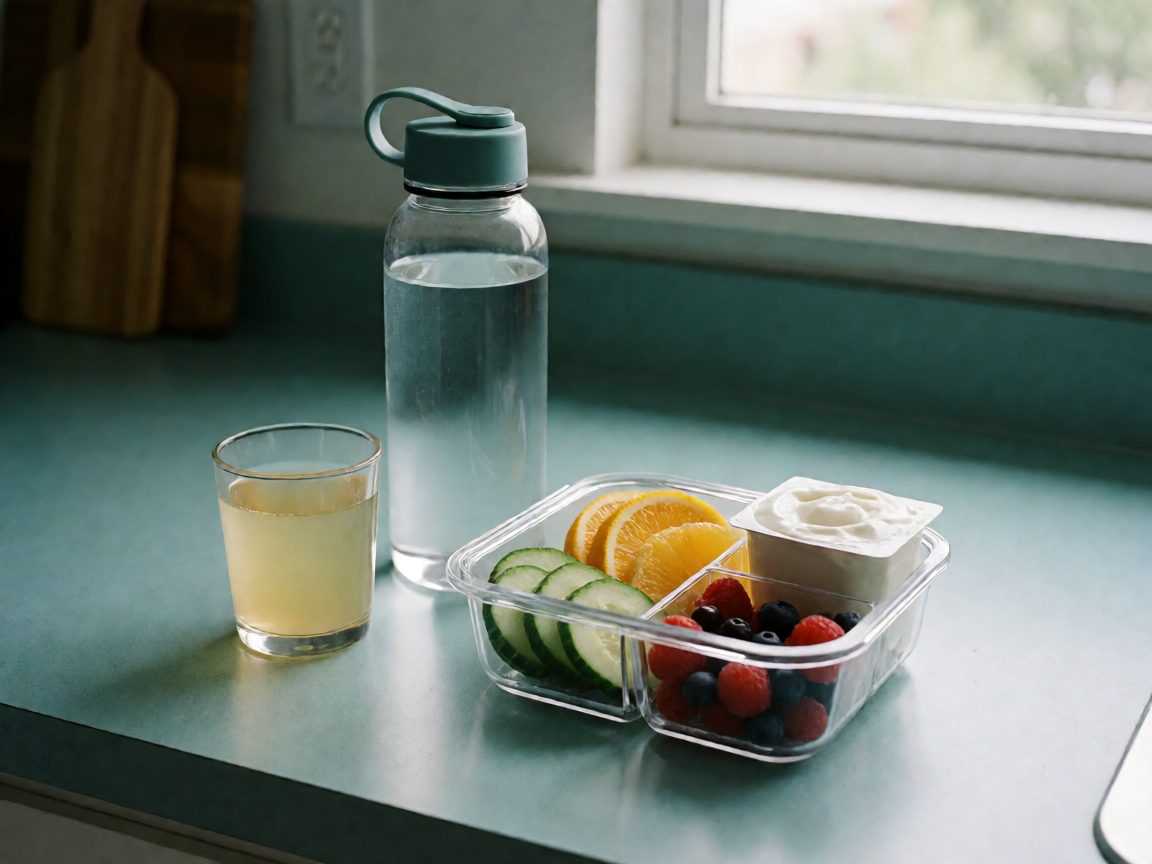
Build your baseline around a routine that is easy to repeat: keep water near your desk, in your bag, and where you exercise; take comfortable sips throughout the day; and include fluid-containing foods at meals. If plain water is unappealing, try it chilled, with ice, or with citrus or mint. Unsweetened tea, broth, yogurt, fruit, and vegetables can add variety when they fit your preferences and medical needs.
National Institute on Aging guidance describes water as a primary beverage and recommends a varied eating pattern with vegetables, fruit, whole grains, dairy or fortified alternatives, seafood, poultry, meat, eggs, beans, nuts, seeds, and soy foods. That food-first pattern is useful for people using Zepbound because a beverage alone does not provide the protein, fiber, and other nutrients needed for a sustainable routine.
A comfortable routine when appetite is lower
- Take a modest drink in the morning instead of forcing a large volume at once.
- Keep small sips available between meals. If fluids make you feel overly full, separate them from food by a short interval.
- Add foods with water and nutrients, such as soup, fruit, vegetables, yogurt, or a tolerated smoothie.
- Use an electrolyte drink for a clear situation, and pour a measured serving rather than drinking from a large container without noticing how much you have had.
How to read an electrolyte drink label
There is no single best electrolyte drink for every person on Zepbound. Compare the label with the situation and your health history. Start with the serving size, because one bottle may contain multiple servings.
Sodium and potassium
Sodium can be relevant after heavy sweating, but a high-sodium drink may not suit someone who has been told to limit sodium or who has a condition affected by sodium intake. Potassium deserves similar caution. Kidney disease and some medicines can change how much potassium is appropriate. Do not add potassium powders, salt substitutes, or concentrated mineral supplements simply because a product advertises them for hydration.
If you have kidney disease, heart failure, high blood pressure, a prescribed fluid limit, or medicines that affect fluid or mineral balance, check with your clinician or pharmacist before using electrolyte products. “Natural” or “clean” on the front of a package does not replace a review of the Nutrition Facts panel and ingredient list.
Added sugar and carbohydrates
Some sports drinks contain added sugar and carbohydrates. That is not automatically a problem; carbohydrate can have a purpose during prolonged exercise or in a clinician-directed plan. For routine low-activity hydration, however, a lower-sugar option may be easier to fit around meals. NIA label guidance recommends looking at the whole label instead of making a decision from a single marketing phrase.
Caffeine, magnesium, and extras
Hydration products may add caffeine, magnesium, herbal extracts, acids, sweeteners, or multiple vitamins. Those ingredients may be poorly tolerated when nausea, reflux, or diarrhea is already present. If your stomach feels sensitive, a simple product with a short ingredient list and mild flavor may be easier to evaluate. Try only a small amount first and stop if it worsens symptoms.
Electrolyte beverages are not all the same
A sports drink is designed mainly for taste and exercise fueling. A powdered hydration mix may emphasize a particular mineral profile and may include sweeteners or stimulants. An oral rehydration solution is formulated with specific proportions intended to support water and salt absorption during certain illnesses. These products should not be treated as interchangeable.
If vomiting or diarrhea is substantial, ask a health professional whether a commercial oral rehydration solution is appropriate. Do not guess at a homemade salt-and-sugar recipe. Seek prompt advice if you cannot keep fluids down, feel faint or confused, have very little urination, have severe weakness or abdominal pain, see blood, or have symptoms that continue or worsen.
Timing ideas for common situations
The best timing is usually the time you can tolerate and the time that matches the reason for drinking. These examples can help you make a plan without turning the beverage into a daily rule:
- Before hot-weather activity: Start with water and carry a measured option if you expect substantial sweating. Do not wait until you feel ill to think about fluids.
- During prolonged exercise: Take small sips. Water may be adequate for a short, comfortable session; a beverage with sodium may be useful in a longer or sweat-heavy setting.
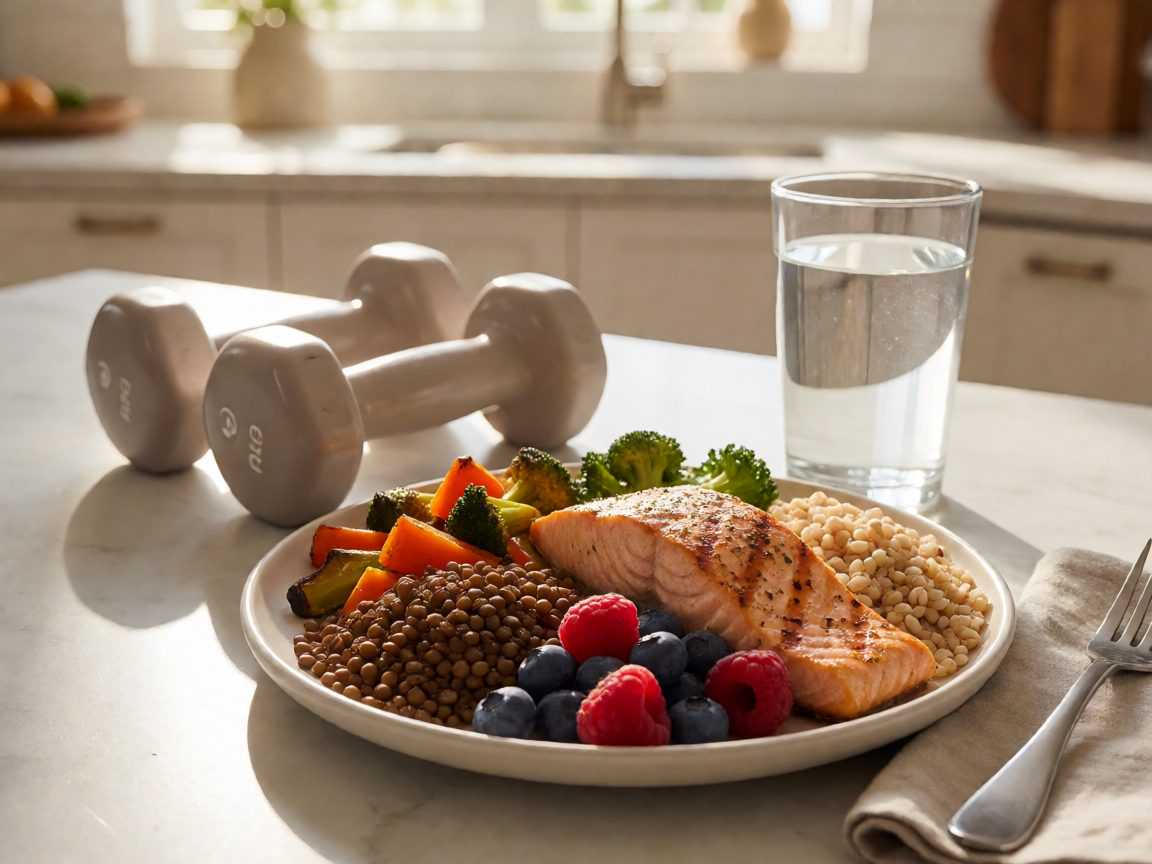
- After exercise: Combine fluids with a simple meal or snack containing protein and carbohydrate if tolerated. A drink alone is not a complete recovery plan.
- When nausea is present: Try cool, small sips and avoid forcing a large amount quickly. If ordinary drinks are difficult to keep down, contact your prescribing team.
- While traveling: Carry water and one familiar backup serving. Also plan for food, rest, and restroom access rather than relying on a concentrated beverage.
Food-first hydration and meal support
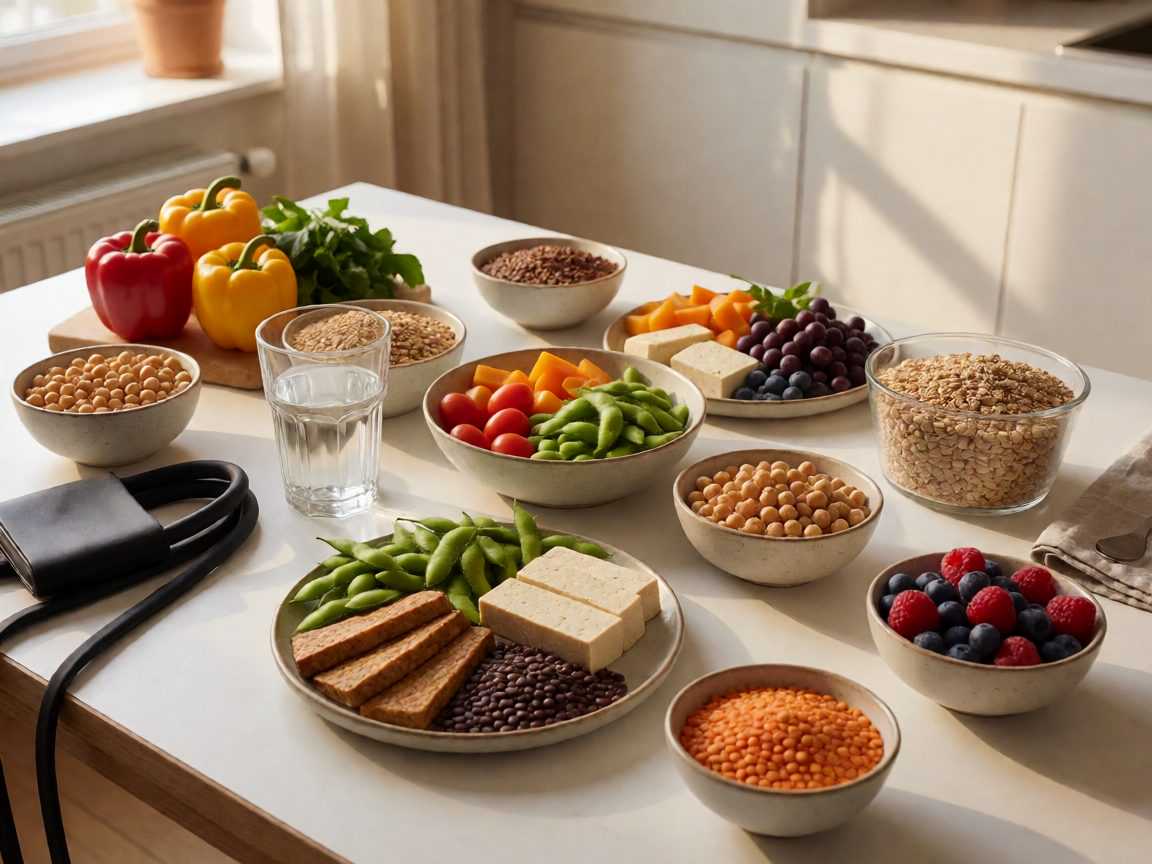
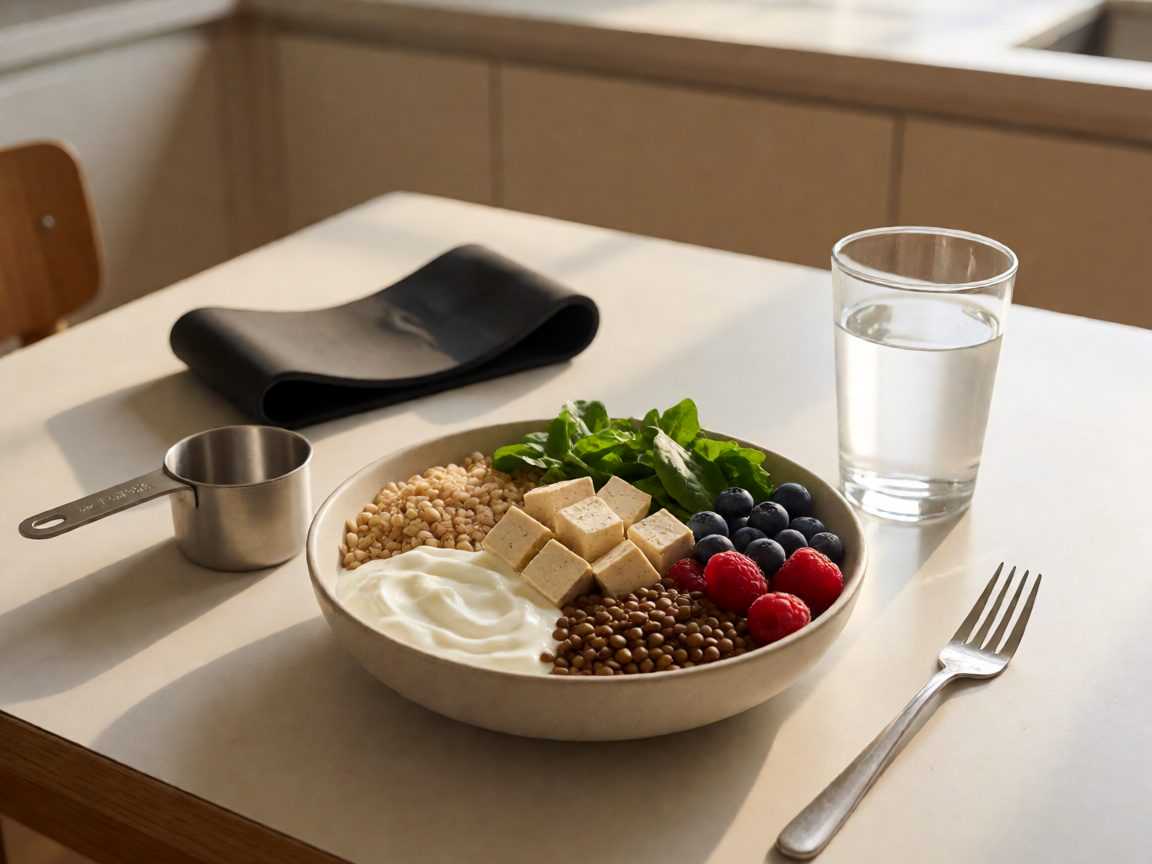
Hydration can be built into food choices. Brothy soups, yogurt, fruit, vegetables, milk or fortified alternatives, and soft grain dishes can provide fluid alongside nutrients. When appetite is reduced, choose combinations you can repeat without pressure: yogurt with berries, soup with beans or chicken, a smoothie with a tolerated protein source, or a small bowl with tofu, rice, and vegetables.
For broader meal structure, visit the GLP-1 Nutrition hub, review the protein and fiber food hub, and compare the weight-maintenance planning guide. A meal and hydration tool can help you record what you tolerate, the conditions that increased fluid losses, and the labels of products you are considering. For adjacent examples, see the Zepbound grocery list, the meal-prep routine, and vegetarian snack ideas on semaglutide. These are general planning examples, not personal treatment instructions.
Use a simple situation-and-label checklist
Before opening a product, write a short reason: “I exercised in heat,” “I am traveling,” or “I have had diarrhea and need guidance.” Then check:
- How much is one serving, and how many servings are in the package?
- How much sodium and potassium are in one serving?
- How much added sugar or carbohydrate is included?
- Does it contain caffeine, magnesium, herbs, or other supplements?
- Will the sweetness, flavor, carbonation, or acidity worsen nausea or reflux?
- Has your clinician given you a limit or target for fluids, sodium, potassium, or sugar?
Keep a photo of the label if you want to ask a pharmacist about suitability. The product is only one part of the decision; symptoms, other drinks, meals, medical conditions, and medicines all matter.
FAQ
Do I need an electrolyte drink every day on Zepbound?
No. Zepbound use does not create a universal daily requirement. Many people can use water and ordinary foods for routine hydration. Use an electrolyte product for a specific situation or a clinician-directed plan, not simply because the medicine is part of your routine.
Can an electrolyte drink prevent Zepbound nausea?
No beverage is a guaranteed treatment or prevention for nausea. Small cool sips may be more comfortable than a large drink, but worsening or persistent nausea should be discussed with the prescriber. Do not change medication use or add supplements based on a drink label.
Are low-sugar products always the best choice?
Not always. A lower-sugar product can fit a routine day, while carbohydrates may have a purpose during prolonged activity or a clinician-directed rehydration plan. Mineral amounts, ingredients, tolerance, and your health needs matter more than a single front-label claim.
What if I have kidney disease or high blood pressure?
Ask your clinician or pharmacist before using electrolyte products, especially those high in sodium or potassium. Your plan may need to account for fluid limits, lab results, and medicines. Do not assume that a product marketed for athletes is appropriate for your medical situation.
When should I seek medical help?
Seek prompt advice for repeated vomiting, ongoing diarrhea, inability to keep fluids down, fainting, confusion, severe weakness, very little urination, severe abdominal pain, blood in vomit or stool, or symptoms that are getting worse. Zepbound labeling includes dehydration-related warnings, so escalating to stronger or more concentrated drinks is not a substitute for care.
Health boundaries
This article provides general nutrition information, not a diagnosis, prescription, dose recommendation, or individualized hydration plan. Zepbound and other tirzepatide products have different indications and labeling; medication questions, side effects, fluid restrictions, and supplement decisions should be reviewed with a qualified healthcare professional. For general context, consult the FDA Zepbound prescribing information, National Institute on Aging meal-planning guidance, NIA food-group guidance, and NIA hot-weather safety guidance. These resources do not replace advice from your prescribing team.