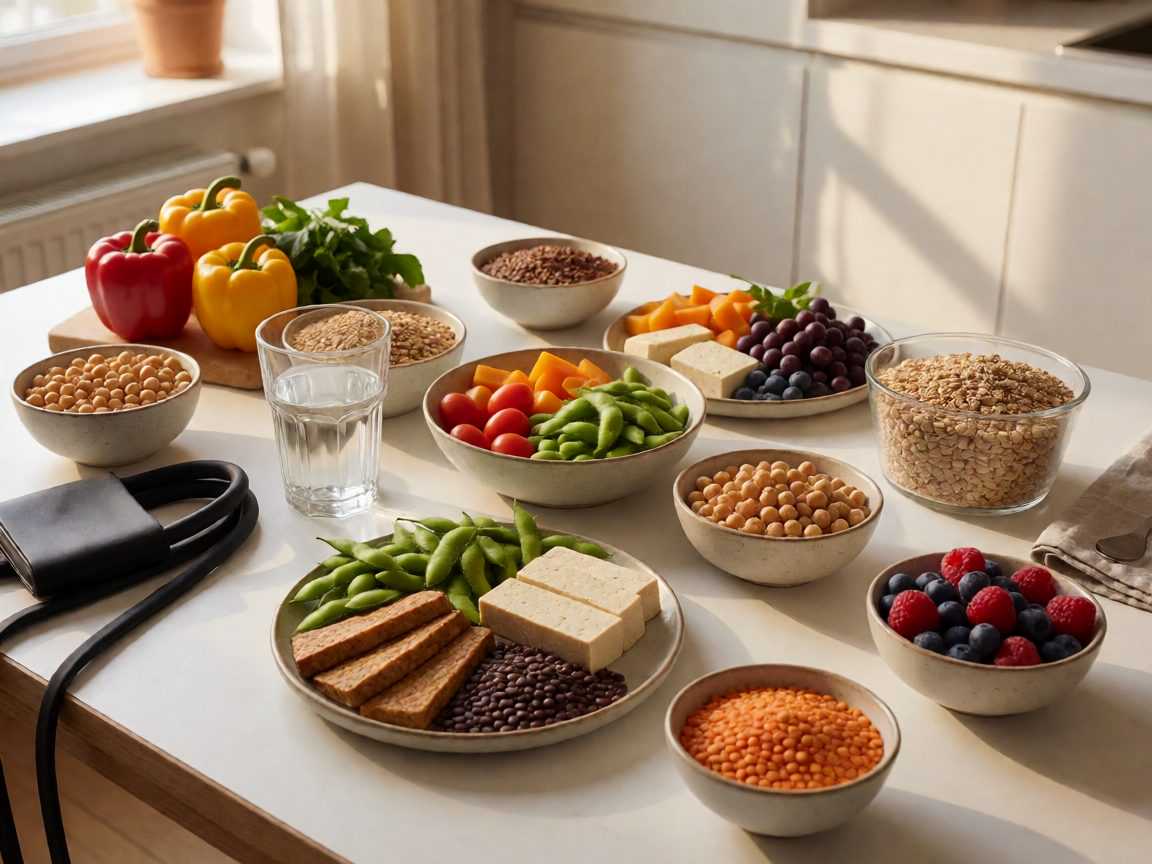
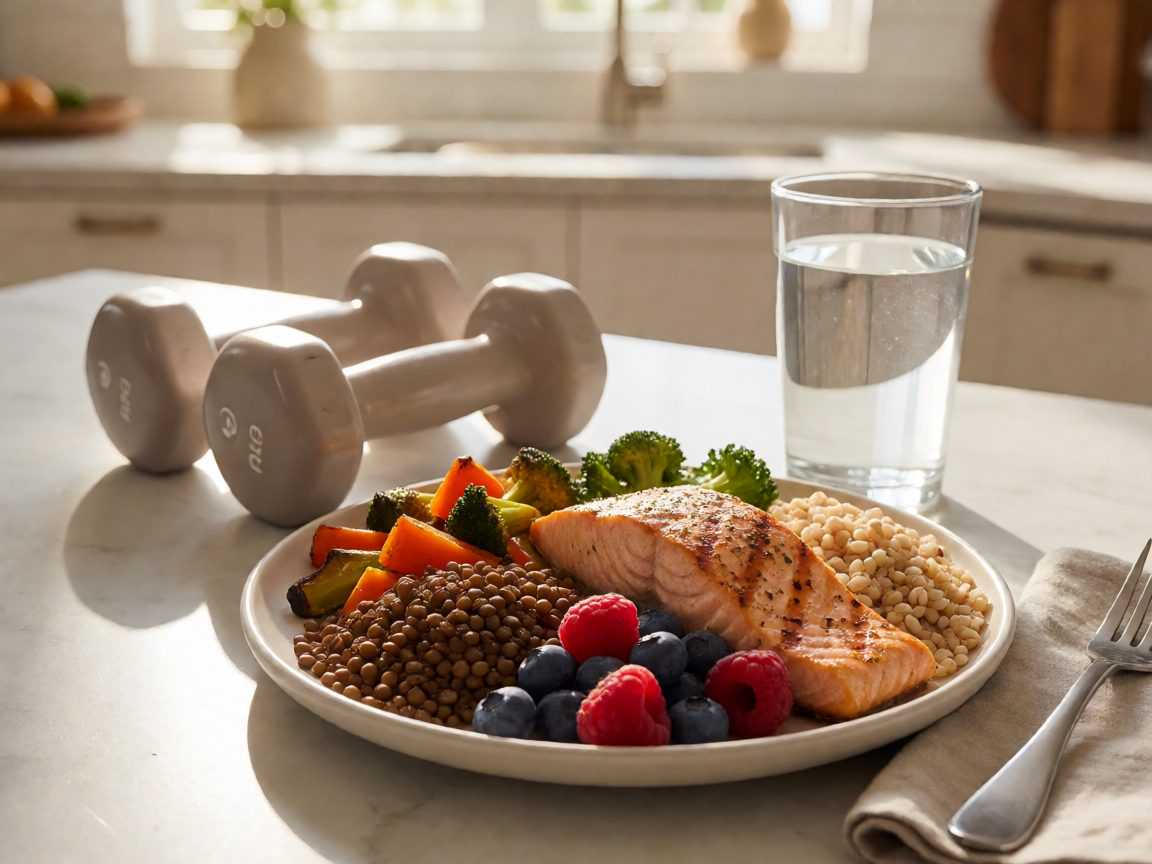
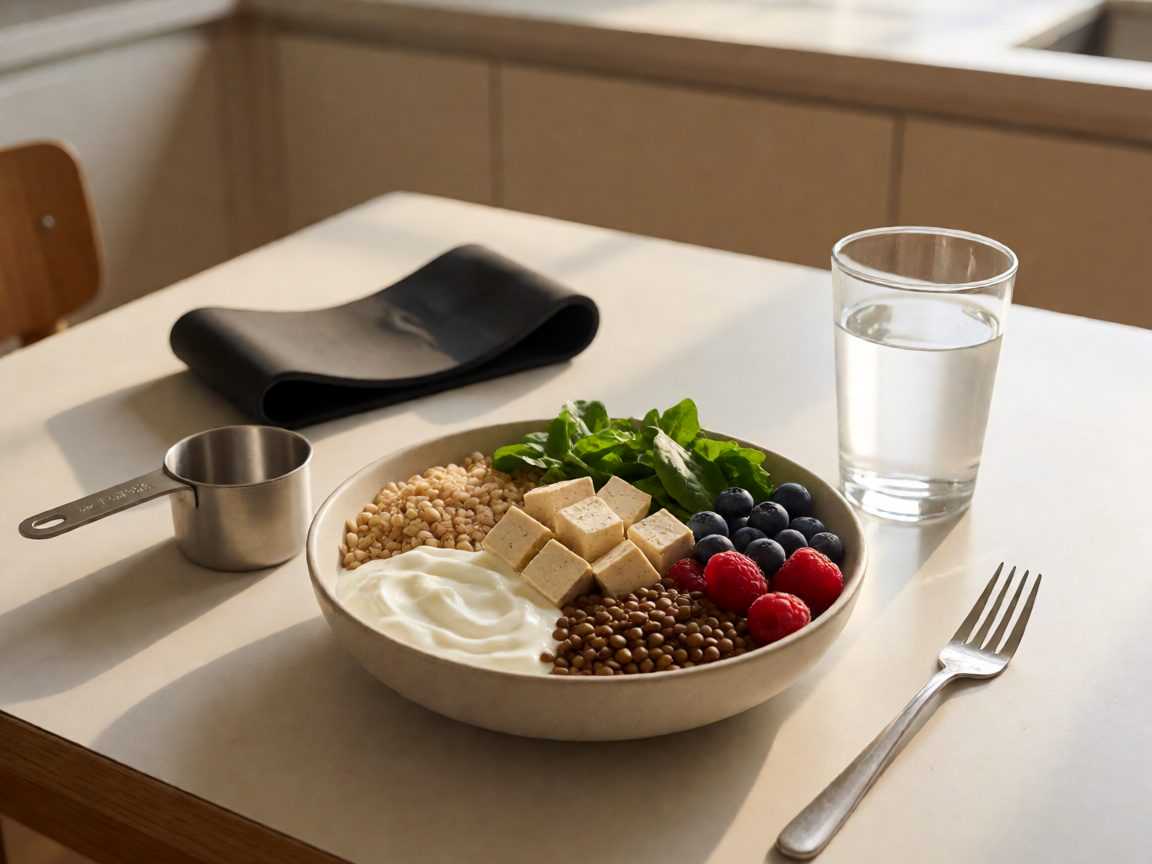
Breakfast can feel different when appetite is lower. Instead of forcing a large meal, build a small, nutrient-dense plate around protein, gentle fiber, and fluids. The goal is not a special “GLP-1 diet.” It is a practical eating pattern that helps you meet nutrition needs while respecting appetite and tolerance.
What makes a GLP-1-friendly breakfast?
A useful breakfast usually includes one protein anchor, one produce or fiber source, and a fluid. Examples include Greek yogurt with berries and chia seeds, eggs with avocado and whole-grain toast, or tofu with cooked vegetables. Choose a portion that feels comfortable and eat slowly.
8 high-protein breakfast ideas
- Greek yogurt, berries, and chia seeds.
- Two eggs with sautéed spinach and a small slice of whole-grain toast.
- Cottage cheese with peaches, cinnamon, and pumpkin seeds.
- Tofu scramble with mushrooms and soft-cooked peppers.
- A small protein smoothie made with milk or soy milk, Greek yogurt, berries, and oats.
- Smoked salmon with cucumber, tomato, and a small portion of crackers.
- Overnight oats with Greek yogurt, chia seeds, and raspberries.
- Edamame with a boiled egg and a piece of fruit.
How to make breakfast easier when appetite is low
Start with a few bites rather than a full plate. Soft foods, warm foods, and liquid options may be easier for some people. Keep simple protein foods ready in the refrigerator, such as yogurt, eggs, cottage cheese, tofu, or cooked chicken. If a meal feels too large, divide it into two smaller eating occasions.

Protein, fiber, and hydration
Protein supports normal body tissues and helps make meals satisfying. Fiber-rich foods can support digestive health, but increasing fiber quickly may cause discomfort. Add beans, oats, berries, vegetables, or chia gradually and drink fluids regularly. Individual needs vary with age, body size, activity, medical conditions, and medication effects.
When to ask your clinician for help
Contact your prescribing clinician if persistent nausea, vomiting, diarrhea, constipation, severe abdominal pain, dehydration, or an inability to eat and drink makes it difficult to maintain nutrition. Do not change medication dose or schedule based on a food article.
Bottom line
The best GLP-1 breakfast is one you can tolerate and repeat. Keep it small, protein-centered, fiber-aware, and easy to prepare. A registered dietitian or clinician can help personalize the plan.
Choosing the right breakfast for your appetite
There is no requirement to eat a traditional breakfast or finish a large portion in the morning. Some people do better with a cool food such as yogurt, while others prefer eggs, oatmeal, or a warm bowl. Notice which textures, temperatures, and flavors feel comfortable. A short breakfast that you can repeat is more useful than an ambitious recipe that consistently goes uneaten.
When appetite is especially low, use a small template: start with a few spoonfuls of yogurt or cottage cheese, add a little fruit, and return to the rest later if it still sounds appealing. On a better-tolerated day, add a whole-grain food or seeds. This flexible approach keeps the focus on protein and nourishment without turning breakfast into a test of willpower.
Simple portion templates
- Yogurt bowl: begin with Greek yogurt, then add berries and a small amount of oats or chia.
- Egg plate: use one or two eggs with cooked vegetables and a modest portion of toast or potato.
- Smooth option: blend milk or soy milk with yogurt, fruit, and oats, then sip slowly.
- Savory bowl: combine tofu, cottage cheese, or edamame with soft vegetables and a small grain portion.
These are starting points, not fixed prescriptions. A person with diabetes, food allergies, digestive disease, or another medical condition may need different ingredients. Keep a short note about what you ate, how much felt comfortable, and whether symptoms appeared later. That information can help a clinician or dietitian personalize your plan.
Prepare breakfast before you need it
Set aside a few minutes to portion yogurt, wash berries, boil eggs, or place smoothie ingredients together in the refrigerator. Keep at least one shelf stocked with ready-to-eat protein foods. If mornings are rushed, prepare two small options rather than one large meal. This also makes it easier to choose a gentle alternative when a particular food does not sound appealing.
Medical note: This article is for education only and does not replace individualized medical advice. Learn more about FDA-approved weight-management treatment and its use with diet and activity at FDA.gov.