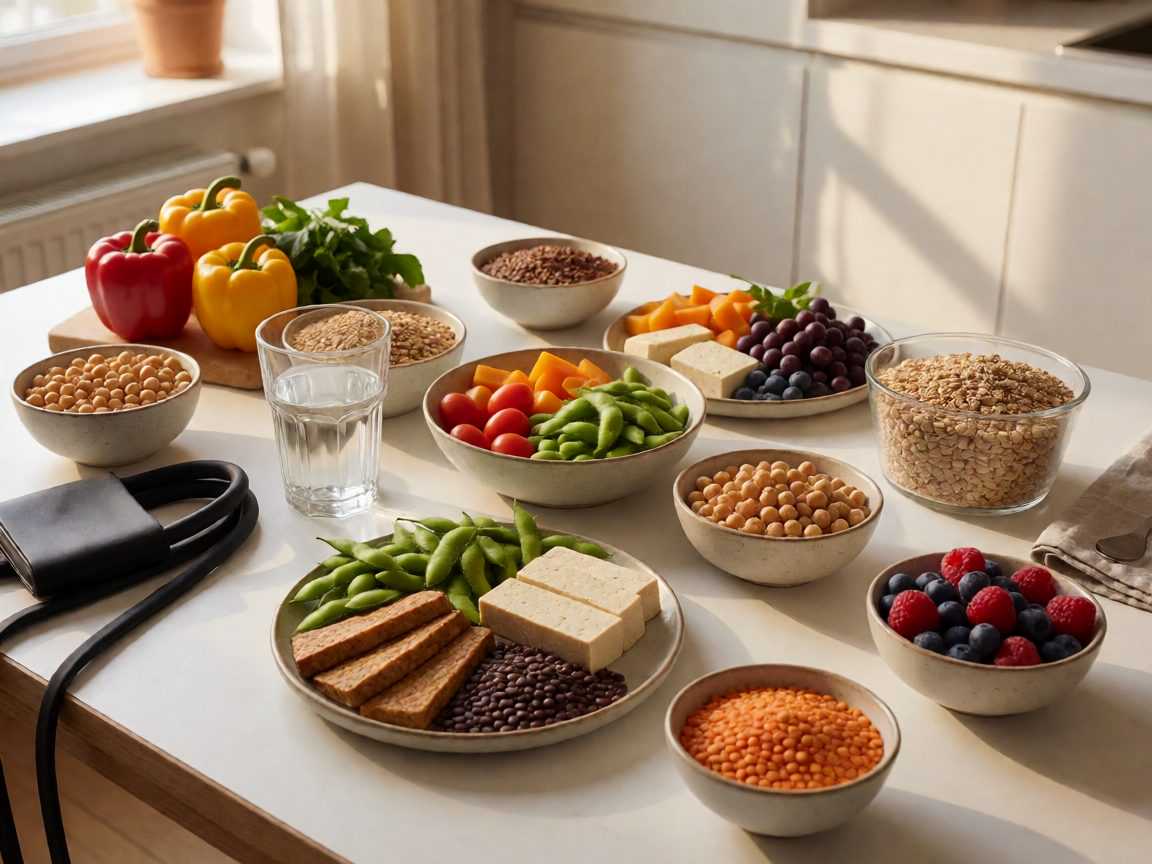
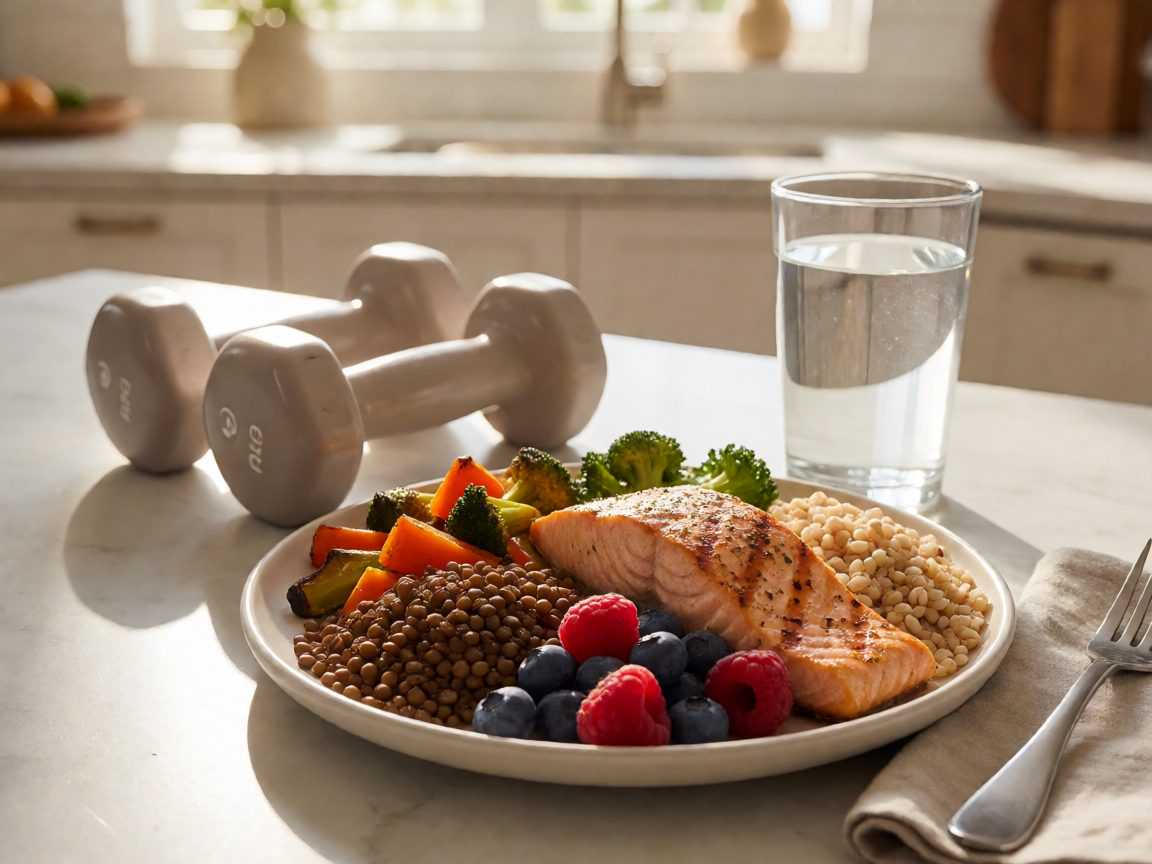
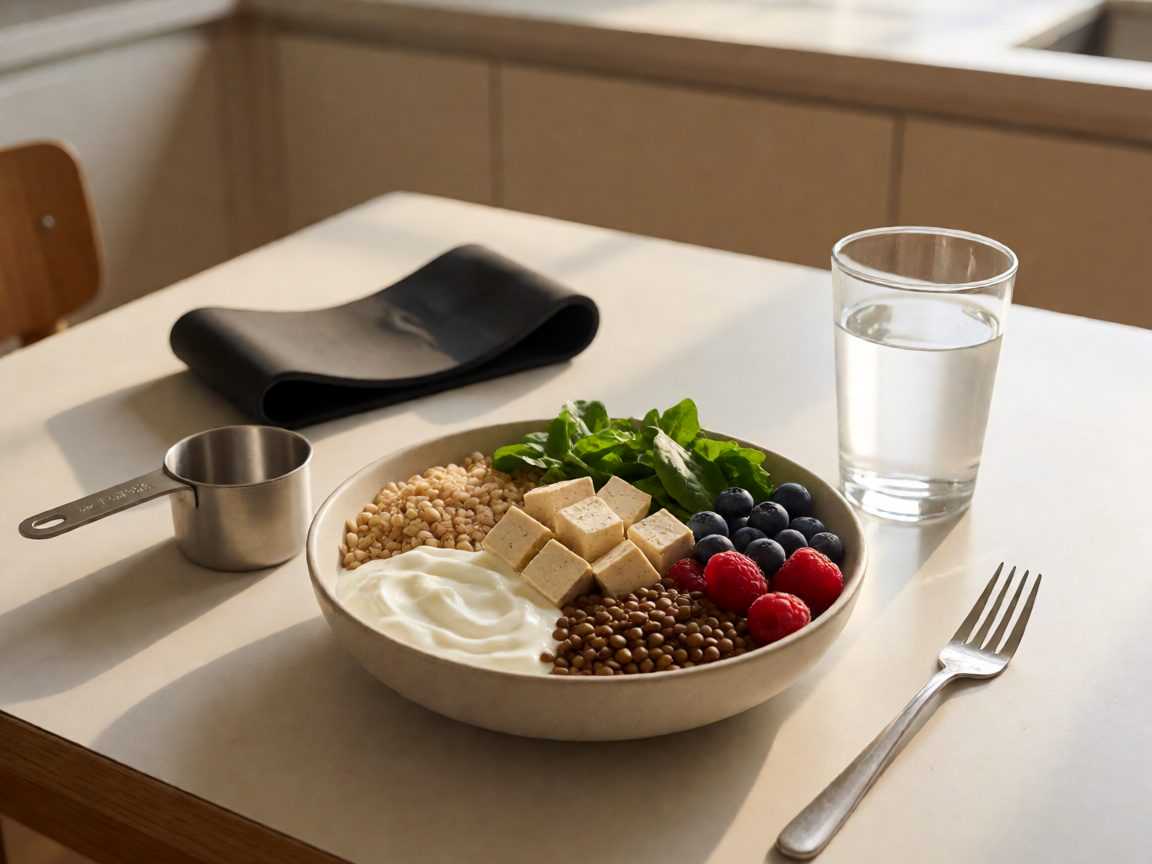
Semaglutide Nutrition: Food Ideas and Practical Support
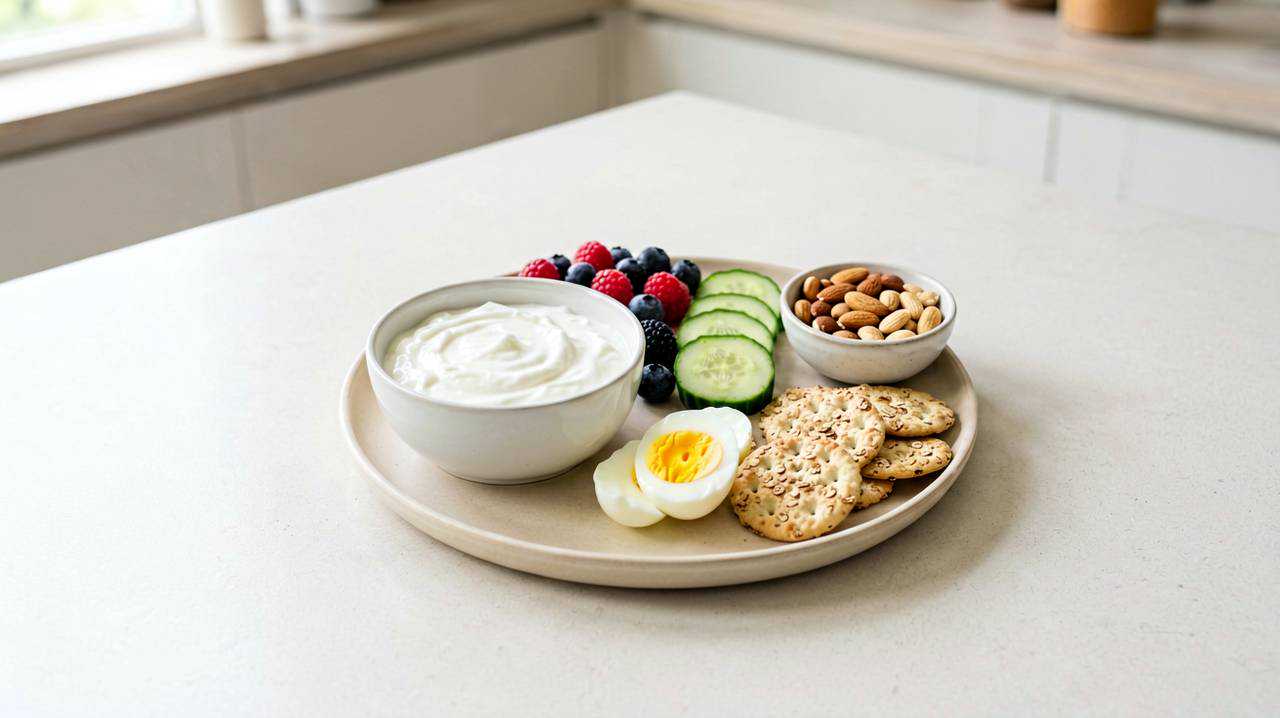
If you are looking for easy low sugar snacks while taking semaglutide, start with a small portion that pairs a protein food with produce or another fiber-rich carbohydrate. Good examples include plain Greek yogurt with berries, a boiled egg with cucumber, cottage cheese with sliced peaches, or hummus with crunchy vegetables. The goal is not a special “semaglutide diet.” It is to keep convenient foods available, choose portions that feel comfortable, and build a steady eating pattern that supports hydration and overall nutrition.
Quick answer
Choose snacks that are simple, gently seasoned, and easy to portion. A useful starting pattern is one protein food plus one fruit or vegetable, with an optional small whole-grain or legume portion if you tolerate it. Keep added sugar modest, eat slowly, and stop when comfortably satisfied. If nausea, vomiting, diarrhea, severe abdominal pain, or trouble drinking fluids persists, contact your healthcare professional rather than trying to solve the problem with a stricter food plan.
What makes a snack practical while taking semaglutide?
Semaglutide may change appetite and how much food feels comfortable at one time. That experience is individual, so a practical snack is one that you can eat without pressure and repeat when needed. Think in terms of texture, flavor, portion size, and preparation time rather than a rigid list of “good” and “bad” foods.
Many people find that smaller, balanced choices are easier to manage than very large or very rich snacks. A modest serving of protein can help make a snack more substantial, while fruit, vegetables, beans, oats, or whole-grain crackers can add fiber and useful carbohydrates. If higher-fat foods or very spicy foods feel uncomfortable, choose lighter preparations and adjust the portion. You do not need to remove an entire food group unless a qualified clinician has given you a specific reason.
For general meal-planning principles, see the WeightMuse GLP-1 Nutrition hub and use the food and meal-planning tools to organize options that fit your schedule. These resources are for planning support, not individualized medical treatment.
Easy low-sugar snack ideas
The following ideas are flexible templates. Use the serving amount that feels comfortable for you, and consider starting with a small portion. The purpose of the examples is to make planning easier, not to prescribe a calorie or carbohydrate target.
1. Plain Greek yogurt with berries
Use plain Greek yogurt or another unsweetened yogurt and add a small handful of berries. Cinnamon, vanilla, or chopped mint can add flavor without relying on syrup. If dairy is not a fit, try unsweetened fortified soy yogurt or a small serving of silken tofu blended with berries. Check labels on flavored yogurts because added sugar can vary widely.
2. Egg and crisp vegetables
Pair one hard-boiled egg with cucumber rounds, bell pepper strips, or cherry tomatoes. This is useful for a desk drawer or refrigerator snack box because the components are easy to prepare in advance. If raw vegetables feel too rough, swap in steamed carrots, roasted zucchini, or a mild vegetable soup.
3. Cottage cheese and fruit
A small bowl of cottage cheese with sliced peach, pear, or apple provides a creamy protein base and a naturally sweet component. Choose fruit that is ripe and easy to chew. If the texture of cottage cheese is unappealing, ricotta, plain yogurt, or a small portion of firm tofu can fill a similar role.
4. Hummus with vegetables
Hummus adds chickpeas and tahini to a snack, while vegetables provide color and crunch. Try a few tablespoons of hummus with cucumber, carrots, celery, or roasted peppers. For a more portable option, pack hummus in a small container and keep washed vegetables nearby. If legumes cause bloating for you, use a smaller portion or choose a yogurt-based dip instead.
5. Nut or seed portion with fruit
A small portion of almonds, walnuts, pumpkin seeds, or sunflower seeds can pair with a mandarin, a few apple slices, or berries. Nuts and seeds are energy-dense, so a pre-portioned amount may be easier than eating from a large bag. Choose unsalted varieties when possible, especially if salty foods make you feel thirsty or uncomfortable.
6. Tuna, salmon, or bean salad cups
For a savory snack, spoon tuna, salmon, mashed white beans, or edamame into lettuce leaves or cucumber boats. Keep the mixture simple with lemon, herbs, or a little plain yogurt. If fish is not part of your diet, mashed beans or edamame can provide a plant-based alternative. Refrigerate prepared mixtures promptly and follow normal food-safety practices.
7. Small whole-grain snack plate
Combine a few whole-grain crackers with a slice of cheese, turkey, tofu, or a bean spread, plus a few vegetables. This approach can also work as one of several easy small meals while taking semaglutide when a full plate feels like too much. Choose a lower-sodium option if you eat packaged foods often, and let comfort guide the portion.
How to build a comfortable portion
Portion advice should be personal. Appetite, nausea, activity, medical conditions, food preferences, and meal timing all matter. Instead of forcing a fixed serving, make a small first plate and give yourself permission to stop. You can always save the rest safely for later.
- Start with protein: yogurt, eggs, cottage cheese, fish, poultry, tofu, edamame, beans, or a fortified soy product.
- Add produce: berries, melon, citrus, cucumber, tomatoes, carrots, leafy greens, or cooked vegetables.
- Include a gentle carbohydrate if useful: oats, whole-grain crackers, a small slice of whole-grain toast, fruit, or beans.
- Choose fat for flavor, not pressure: a few nuts, seeds, avocado, tahini, or olive-oil dressing may work if you tolerate them.
- Keep fluids nearby: water or another unsweetened beverage can make a snack routine easier to remember.
If a snack repeatedly causes discomfort, make a note of the texture, ingredients, portion, and timing. That record can help you discuss patterns with a registered dietitian or prescribing clinician. It is more useful than labeling the food as universally “bad.”
Easy work lunches while taking semaglutide
Work lunches do not need to be elaborate. Pack a small grain-and-protein bowl with chicken, tofu, salmon, eggs, or beans; add cooked vegetables and a mild dressing on the side. Another option is a half sandwich on whole-grain bread with turkey, tuna, egg salad, or mashed beans, plus fruit or soup. If you prefer a salad, include a clear protein component and a dressing you enjoy so the meal is satisfying without becoming enormous.
When ordering at work, consider a bowl, soup-and-salad combination, or half portion that lets you save leftovers. Ask for rich sauces or spicy toppings on the side if they tend to trigger discomfort. You are not required to finish a standard restaurant serving. The PCOS-friendly GLP-1 grocery-list approach can also help you stock versatile proteins, produce, and convenient staples, even if you are not managing PCOS.
Easy small meals when a snack is not enough
Sometimes the right answer is not another snack but a small meal. Try oatmeal topped with yogurt and berries, a vegetable omelet with toast, chicken or tofu soup with crackers, or a rice bowl with edamame and cooked vegetables. Keep strong odors and very rich sauces optional if they make eating harder.
For batch preparation, make two or three components rather than a large recipe: cooked eggs or tofu, washed produce, and a simple grain or bean. Then combine them in different ways across the week. The GLP-1 meal-prep guide offers another way to think about protein, produce, and manageable portions. If you need an example of vegetarian snack combinations, see vegetarian snack ideas on semaglutide.
Shopping and storage tips
A short shopping list can make low-sugar snack planning realistic. Choose two protein foods, two fruits, two vegetables, and one or two flexible pantry items. For example, buy plain yogurt and eggs; berries and apples; cucumbers and baby carrots; plus hummus, whole-grain crackers, or unsalted seeds. Frozen berries, frozen vegetables, canned beans, and shelf-stable tuna can reduce waste and preparation time.
Wash and cut produce only if you can store it safely. Keep perishable foods cold, use clean containers, and label prepared items with the date. Pack single portions of nuts, crackers, or hummus so you can decide how much to eat before opening the container. If you are traveling, use a cooler for foods that require refrigeration and do not leave perishable snacks at room temperature for long periods.
How to reduce added sugar without making food joyless
Low sugar does not mean flavorless. Start with unsweetened basics and add flavor through fruit, citrus zest, cinnamon, herbs, ginger, or a small amount of a favorite condiment. Compare labels on yogurt, granola, protein bars, nut butters, and drinks. A product can sound wholesome while still contributing a large amount of added sugar, so the label is more useful than the front-of-package claim.
Sweet foods can still fit into an overall eating pattern. The practical question is whether the portion, timing, and texture work for you. If a sweet snack feels easier to tolerate than a heavier option, pair a modest serving with yogurt, milk, soy food, or another protein source when that suits you. Avoid turning a single snack into a test of willpower or a promise of guaranteed weight loss.
Health boundaries and when to seek help
Semaglutide is a prescription medicine, and food guidance cannot replace instructions from your prescribing clinician. The current FDA Ozempic label lists gastrointestinal effects such as nausea, vomiting, diarrhea, abdominal pain, and constipation, and warns that nausea, vomiting, or diarrhea can contribute to dehydration and kidney problems. Read the FDA Ozempic prescribing information for official safety information.
Contact your healthcare professional promptly for persistent or severe symptoms, inability to keep fluids down, signs of dehydration, severe or ongoing abdominal pain, or any symptom that concerns you. Do not change a prescribed dose, stop medication, or treat a suspected side effect solely through online nutrition advice. People with diabetes, kidney disease, a history of eating disorders, food allergies, pregnancy, or other medical needs may require individualized guidance.
For broader food-pattern support, the National Institute on Aging meal-planning guidance emphasizes variety, nutrient-dense foods, protein choices, fruits and vegetables, water, and limiting added sugar. These principles can support planning, but they are not a personalized medical prescription.
FAQ
What are the best easy low sugar snacks while taking semaglutide?
There is no single best snack for everyone. Start with options such as plain yogurt and berries, an egg with cucumber, cottage cheese and fruit, hummus and vegetables, or a small portion of nuts with fruit. Choose the texture and serving size that you tolerate comfortably.
Should I avoid all sugar?
Not necessarily. A practical approach is to limit foods and drinks with large amounts of added sugar while keeping naturally sweet foods such as fruit if they work for you. Your clinician may give you different advice based on diabetes management or another condition.
Can these snacks replace meals?
They can be a bridge when appetite is low, but a snack may not provide everything you need for the day. If you often cannot eat regular meals, are losing weight unintentionally, or feel weak, discuss it with your healthcare professional or a registered dietitian.
What if fiber makes me feel bloated?
Use smaller portions, choose cooked vegetables or softer fruit, and increase fiber gradually rather than making a sudden change. Persistent or severe gastrointestinal symptoms deserve medical advice, especially when vomiting or diarrhea affects hydration.
How do I choose easy work lunches while taking semaglutide?
Pack a modest protein-and-produce meal with a simple carbohydrate if useful, such as soup with toast, a half sandwich with fruit, or a small bowl with tofu, chicken, beans, or fish. Keep sauces separate and save leftovers instead of forcing a large serving.
How can I plan easy small meals while taking semaglutide?
Prepare a few mix-and-match components: a protein food, cooked vegetables, fruit, and a grain or bean. Build a small bowl, soup, toast plate, or yogurt meal and adjust the portion to your appetite. Repeating a simple structure is often easier than following a rigid menu.
Key takeaways
- Choose a small, balanced snack with a protein food and produce.
- Favor unsweetened or lower-added-sugar options, but do not create unnecessary food rules.
- Keep easy work lunches and small meal components ready so low appetite does not leave you without options.
- Use hydration, food tolerance, and symptoms as practical signals, and seek clinical help for persistent or severe problems.