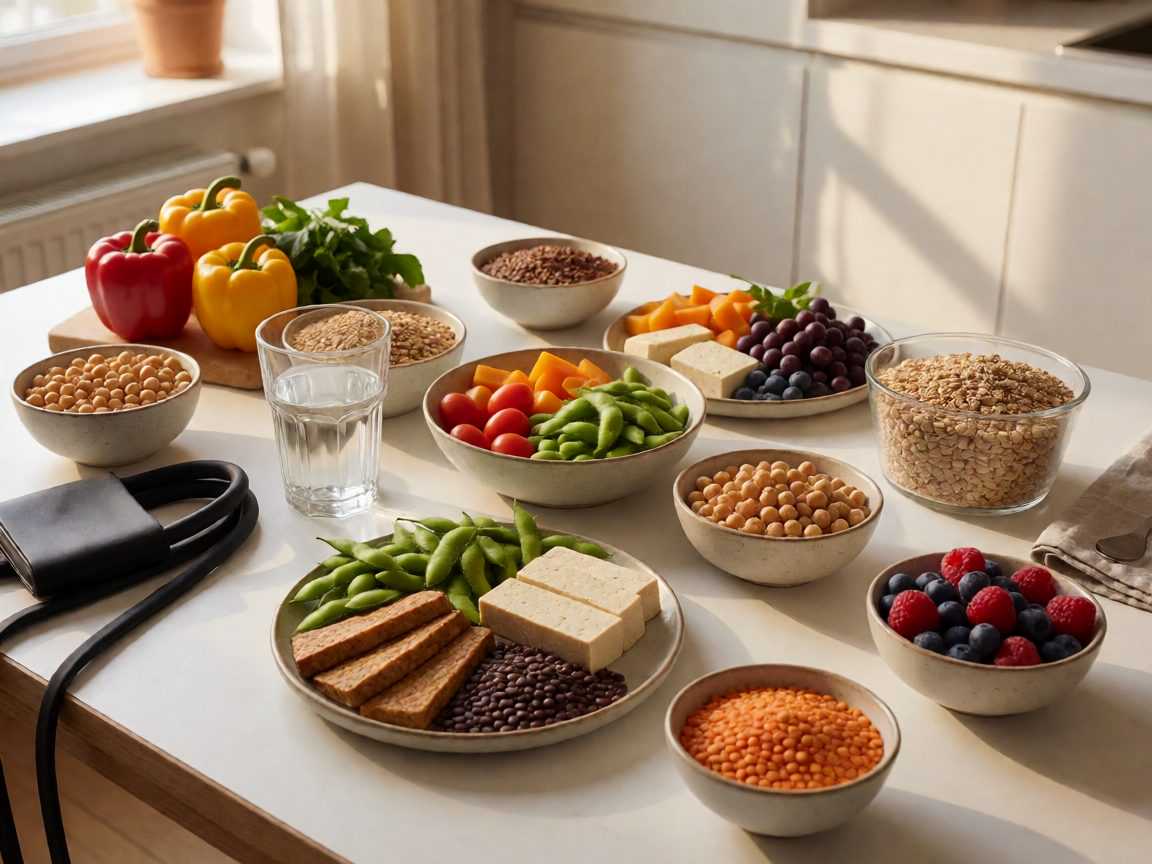
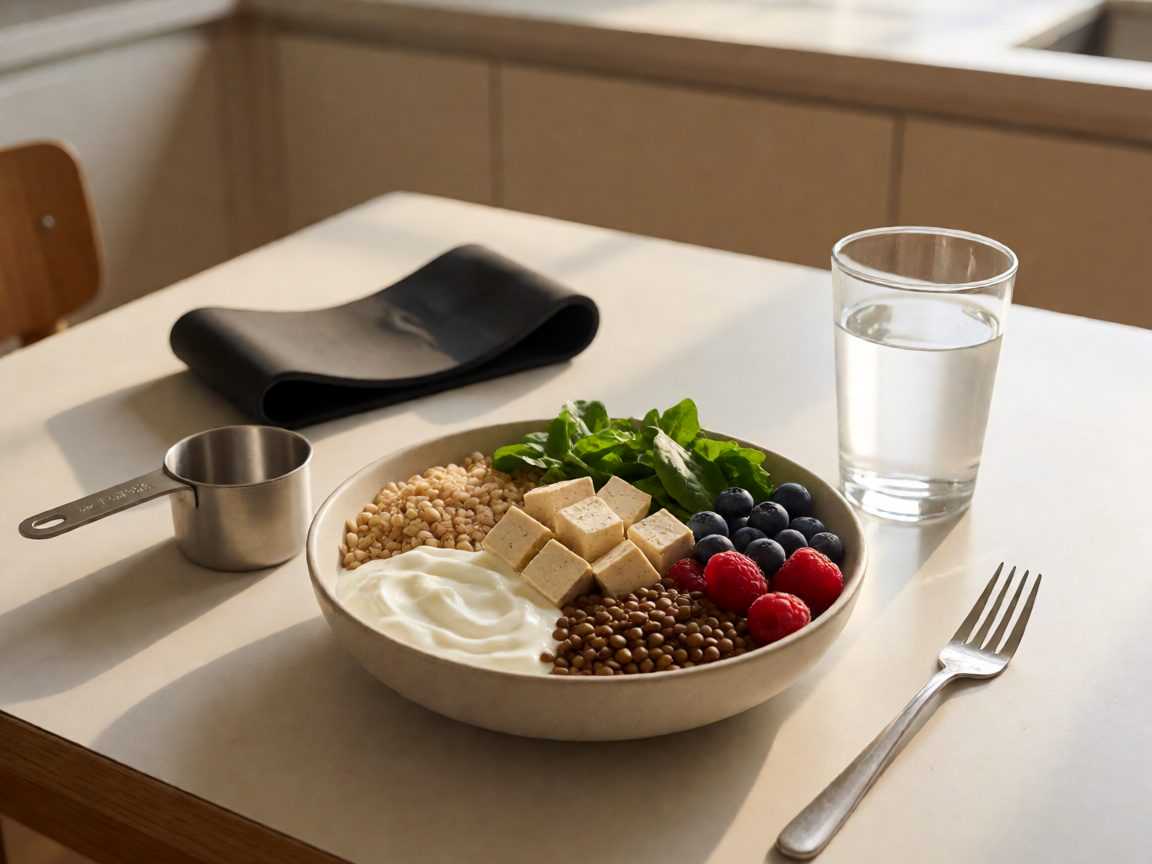
Breakfast ideas for Ozempic work best when they are simple, flexible, and easy to portion. Start with a food that supplies protein, add fruit or vegetables, and include a comfortable serving of oats, toast, potatoes, or another carbohydrate when you want it. Keep water or another preferred drink nearby, and make the meal smaller or divide it into two eating occasions if a full breakfast is not appealing.
Ozempic is a prescription medicine with official use instructions and safety information. This article offers food-planning ideas only. It does not recommend a dose, tell you when to inject, diagnose symptoms, or promise weight loss. Follow your own prescriber’s instructions and ask a healthcare professional about symptoms, allergies, diabetes care, or other conditions that affect what you should eat.
Quick answer: a useful Ozempic breakfast formula
Choose one item from each group, then adjust the serving to your appetite and needs:
- Protein: eggs, plain Greek yogurt, cottage cheese, tofu, beans, smoked salmon, or a tolerated protein drink.
- Produce: berries, banana, sliced pear, tomatoes, spinach, mushrooms, or another fruit or vegetable you enjoy.
- Fiber-rich carbohydrate: oats, whole-grain toast, beans, potatoes with skin, or a modest portion of a grain.
- Flavor and moisture: cinnamon, herbs, salsa, nut butter, avocado, or a small amount of dressing.
- Fluid: water, unsweetened tea, or another drink that fits your preferences and clinician’s guidance.
For example, try Greek yogurt with berries and oats, an egg-and-toast plate with tomatoes, or tofu with cooked vegetables and a small serving of rice. The point is not to make a perfect “Ozempic meal plan.” It is to create a repeatable breakfast you can tolerate and prepare.
How to choose breakfast foods
Start with a protein anchor
A protein anchor makes breakfast more substantial without requiring a large recipe. Eggs can be scrambled, boiled, or baked with vegetables. Greek yogurt can be paired with fruit and oats. Cottage cheese can be served with fruit, tomatoes, or whole-grain crackers. Tofu can be warmed with spinach, mushrooms, or a mild sauce. Beans can go into a breakfast taco, a small bowl, or toast topping.
Use variety instead of forcing one food every morning. If you do not eat animal products, choose tofu, tempeh, edamame, beans, lentils, soy yogurt, or a fortified plant-based beverage. If dairy is uncomfortable, try lactose-free yogurt or a calcium-fortified soy option. If you have kidney disease or another condition that changes protein needs, ask a clinician or registered dietitian for individualized guidance before increasing protein deliberately.
Add produce in the easiest form
Produce does not have to mean a large raw salad at breakfast. Fresh berries, a banana, or a peeled pear may be convenient. Frozen berries can be stirred into yogurt or oats. Cooked spinach, tomatoes, mushrooms, or peppers can be added to eggs or tofu. Applesauce can be useful when chewing is unappealing, while a blended soup or soft fruit may work better than crunchy foods on another day.
Keep one ready-to-eat fruit and one freezer option available. That small amount of preparation can make breakfast possible on a busy morning. Wash produce when you bring it home, store it where you can see it, and use smaller containers if you are testing a food for the first time.
Use carbohydrates and fats as flexible components
Oats, whole-grain toast, potatoes, rice, beans, and fruit can all fit into a balanced breakfast. Choose the texture and portion that feels comfortable. A half serving of toast may be enough with eggs and fruit; a small bowl of oats may be more appealing when warm food sounds good. Nut butter, avocado, cheese, seeds, or olive oil can add flavor and energy, but a large amount of rich food may not suit everyone. Start modestly and adjust based on your experience.
There is no need to remove carbohydrates because you are using Ozempic. If you use insulin or another medicine that affects blood glucose, changes to your eating pattern may require advice from your healthcare team. Do not use a general breakfast article to change medication or treat low or high blood glucose.
Seven practical breakfast ideas for Ozempic
1. Greek yogurt, berries, and oats
Spoon plain Greek yogurt into a small bowl and add berries plus oats or ground flax. Cinnamon, vanilla, or a few chopped nuts can add flavor. If a full bowl feels too large, prepare half now and keep the rest refrigerated according to food-safety guidance. Use lactose-free yogurt or fortified soy yogurt if that works better for you.
2. Eggs with toast and tomatoes
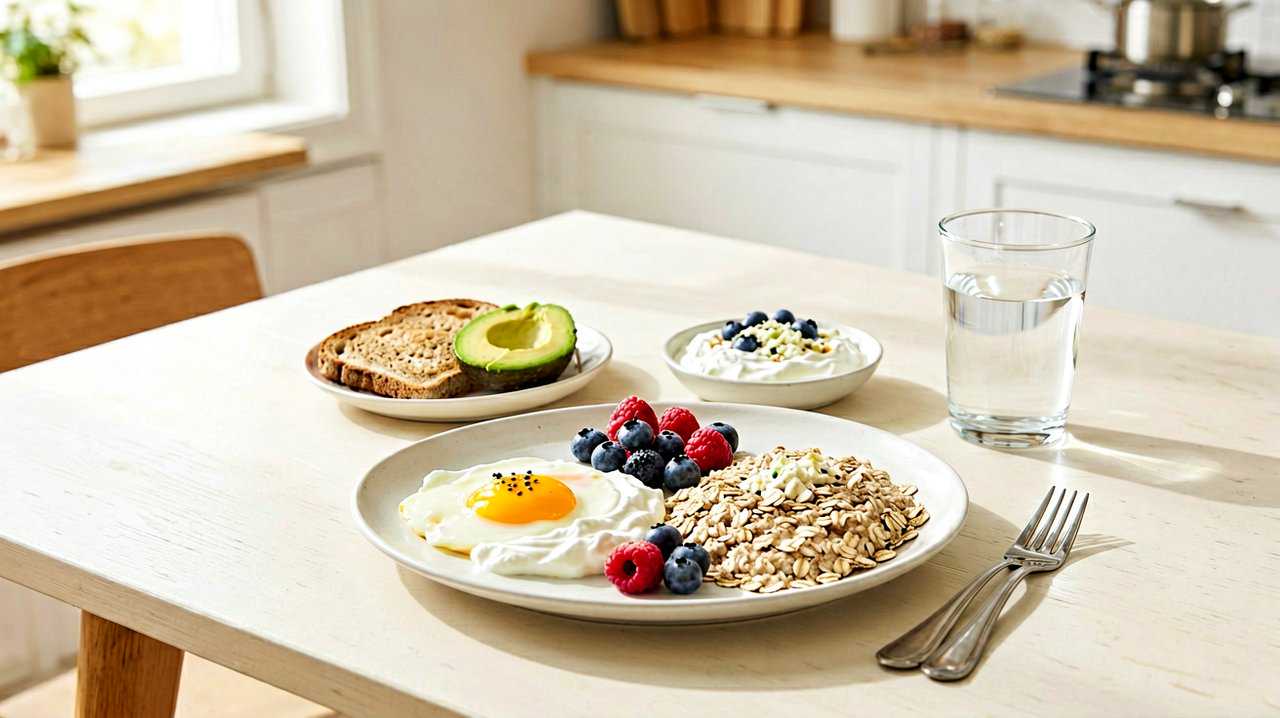
Pair one or two eggs with a slice of whole-grain toast and sliced or cooked tomatoes. Add herbs or a little salsa instead of a heavy sauce. This is an easy breakfast for Ozempic because each part can be adjusted independently: less toast, more tomato, or a smaller egg portion depending on what feels manageable.
3. Warm oatmeal with a protein side
Prepare oats with milk or a fortified alternative, then add berries, banana, cinnamon, or chia. Serve with yogurt, cottage cheese, or an egg on the side rather than making the oatmeal overly rich. If fiber is new to your routine, increase it gradually and pay attention to your body’s response.
4. Tofu and vegetable scramble
Crumble tofu into a pan with mushrooms, spinach, or tomatoes. Season with herbs, pepper, or a mild spice blend. Add a small piece of toast or a few potatoes if you want a carbohydrate. This option can be prepared in advance and reheated carefully, or assembled from leftover cooked vegetables.
5. Cottage cheese and fruit plate
Combine cottage cheese with sliced pear, berries, or peaches. Add a few whole-grain crackers if you want crunch, or swap in toast. Choose a lower-sodium product if that matters for your dietary plan, and check labels for serving information rather than assuming every brand is equivalent.
6. Simple breakfast smoothie
Blend yogurt or silken tofu with fruit and milk or a fortified alternative. Keep the recipe straightforward so you can identify ingredients if your stomach feels unsettled. A smoothie is convenient, but it does not have to replace every breakfast. If liquids are filling but you are struggling to meet nutrition needs, discuss that pattern with a clinician or dietitian.
7. Bean and avocado toast
Spread mashed beans or hummus on whole-grain toast and add tomato, cucumber, or a small amount of avocado. Use lemon, herbs, or salsa for flavor. If the combination feels too heavy, use less topping and add fruit later. Beans provide fiber, so introduce larger servings gradually if your usual intake is low.
Make breakfast easier when appetite is low
Keep two levels of breakfast available: a “minimum effort” choice and a cooked choice. The minimum effort choice might be yogurt and fruit, a boiled egg with toast, or a tolerated drink with a small snack. The cooked choice might be eggs with vegetables or oatmeal with a protein side. This approach reduces the chance that breakfast disappears simply because the planned recipe takes too much energy.
Smaller plates and bowls can make portions easier to judge without turning meals into a numbers exercise. Eat slowly and pause when you feel satisfied. If you stop early, store perishable food safely and return to it only if it remains appealing. Do not force food through significant nausea or other concerning symptoms; contact your healthcare team for advice.
Texture and temperature matter. Some mornings call for warm, soft foods such as oats or eggs. Other mornings call for cold yogurt, fruit, or toast. Keep a few mild foods for days when strong smells are unappealing. These are practical adjustments, not guarantees that a symptom will improve.
Plan breakfasts for work and travel
For workdays, pack food in separate containers so you can adjust the portion at the moment you eat. Yogurt with berries, overnight oats, a boiled egg with fruit, cottage cheese with crackers, or a tofu-and-vegetable container can travel well when kept cold. If refrigeration is not available, use a suitable insulated bag and follow food-safety guidance.
The same planning logic helps with easy work lunches while taking Ozempic. Prepare one protein, one produce item, and one starch or grain that can be mixed in different proportions. For travel snacks for Ozempic, consider shelf-stable options such as whole-grain crackers, roasted edamame, a small nut packet, or a tolerated nutrition bar, then pair them with fresh food when practical. Check ingredients and allergens, and do not assume a packaged product is right for your medical needs.
You can also adapt ideas from our GLP-1 nutrition hub, the practical grocery-list example, and the protein, fiber, and meal-planning tools. For adjacent meal inspiration, see meal prep for menopause on GLP-1 and vegetarian snack ideas on semaglutide.
Medication and health boundaries
Read the current official Ozempic prescribing information and follow the instructions given by your prescriber or pharmacist. Do not change your dose, injection schedule, or other diabetes medicines because of a breakfast suggestion. Do not stop a prescribed medicine because you feel unwell without contacting the prescriber. The FDA label is a medication reference, not an individualized meal plan.
Contact a healthcare professional about persistent vomiting, diarrhea, constipation, severe abdominal pain, dehydration concerns, or difficulty eating and drinking. If you have diabetes, review how your eating pattern and medicines work together with your care team. People with food allergies, kidney disease, a history of eating disorders, pregnancy, or other special circumstances may need advice beyond a general article.
FAQ
What should I eat for breakfast on Ozempic?
Start with a modest, balanced option such as yogurt with berries and oats, eggs with toast and tomatoes, oatmeal with a protein side, or tofu with cooked vegetables. Choose a portion and texture you tolerate. There is no single best breakfast menu for everyone using Ozempic.
Should I eat before taking Ozempic?
Do not use this article to decide when to take a prescription medicine. Follow the official product information and the directions from your prescriber or pharmacist. If you are unsure how meals relate to your medication instructions, ask them directly.
Can I have coffee with breakfast?
Coffee may fit some people’s routines, while others prefer tea or water. Consider how caffeine, milk, sweeteners, and temperature affect your comfort. If you have a medical reason to limit caffeine or fluids, follow your clinician’s advice.
Are eggs or Greek yogurt allowed?
They can be practical protein foods for many people, but “allowed” depends on allergies, dietary preferences, sodium needs, blood glucose management, and other health factors. Use plain or lightly flavored options when that suits you, and ask for personalized guidance when needed.
What if I cannot finish breakfast?
Pause rather than forcing the rest. Store perishable food safely and consider a smaller later eating occasion if it remains appealing. If difficulty eating persists, or you cannot keep fluids down, contact a healthcare professional promptly.
Bottom line
The most useful breakfast ideas for Ozempic are repeatable combinations, not rigid rules: choose a protein anchor, add produce, include a comfortable fiber-rich carbohydrate, and keep portions adjustable. Prepare a low-effort backup for workdays and travel, and use easy work lunches while taking Ozempic or travel snacks for Ozempic to extend the same framework beyond breakfast. Keep medication decisions with your healthcare team and let your preferences, tolerance, budget, and schedule shape the grocery list.
Sources: FDA Ozempic Prescribing Information; National Institute on Aging meal-planning guidance; National Institute on Aging healthy eating guidance.