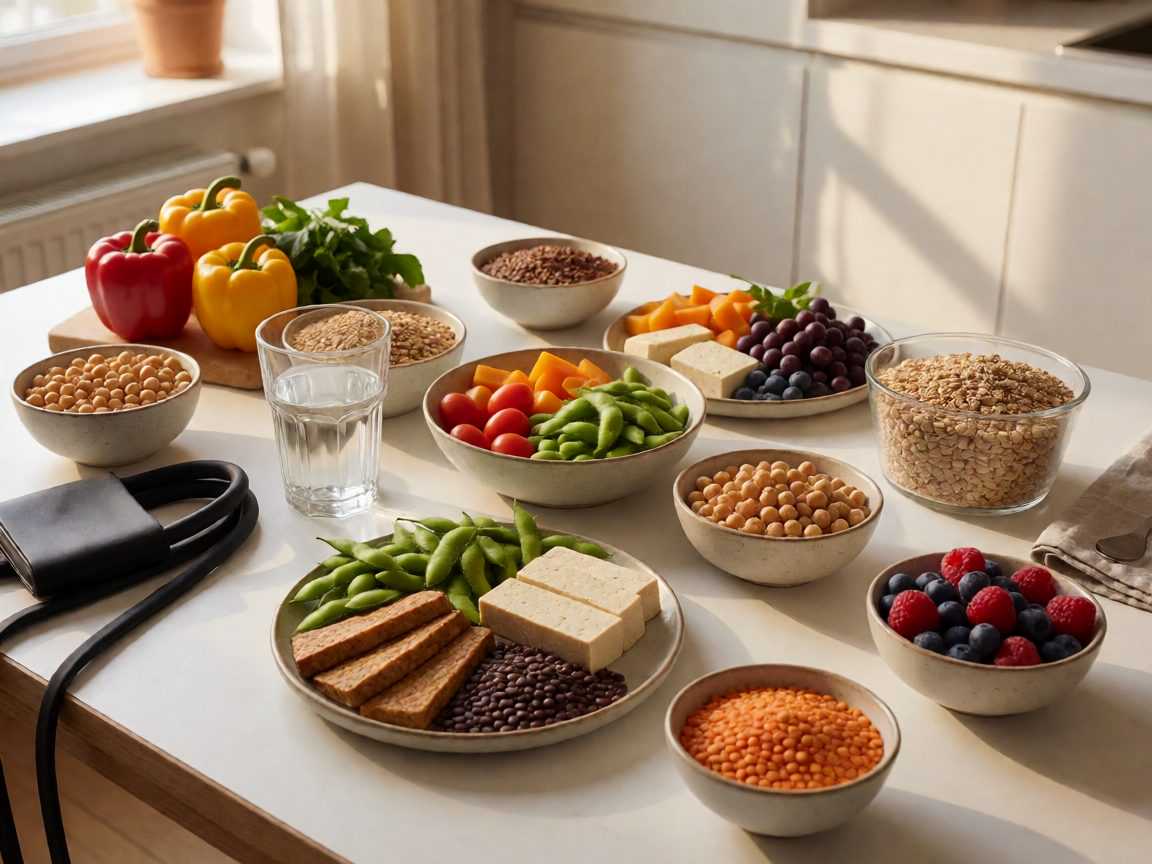
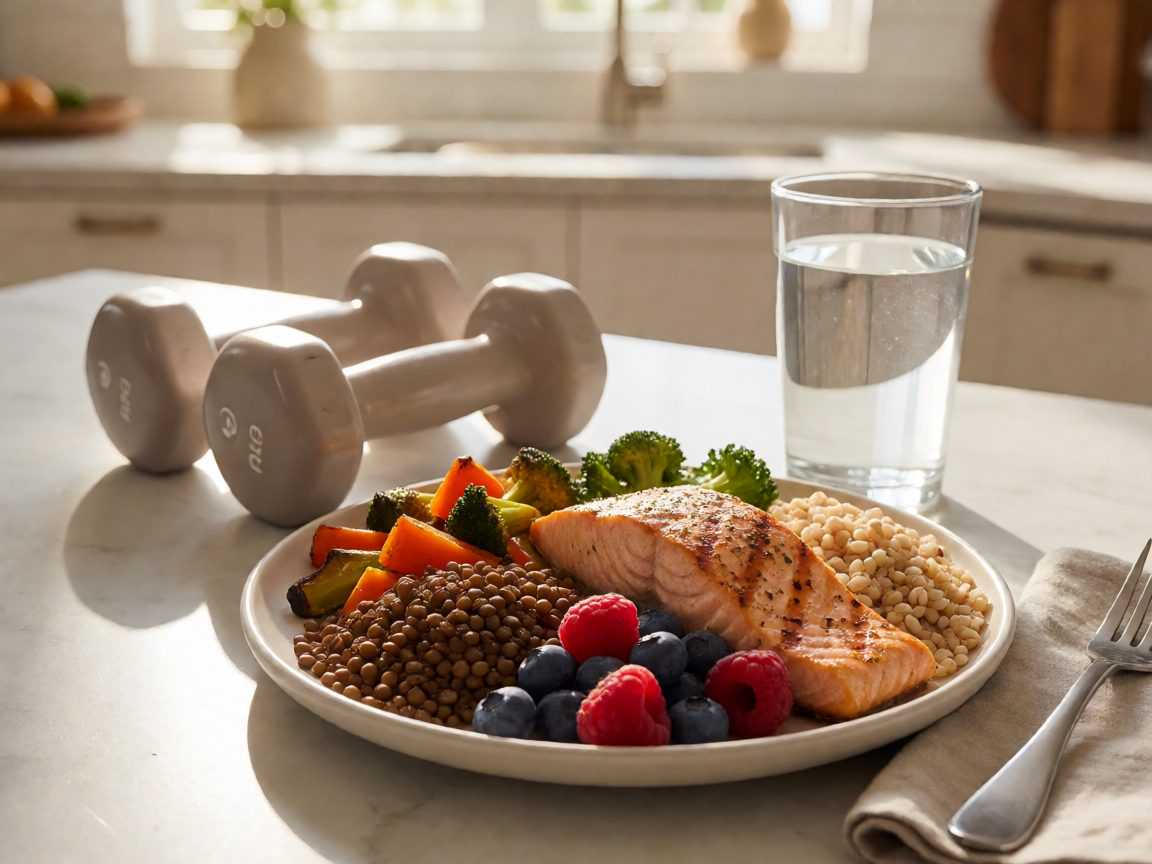
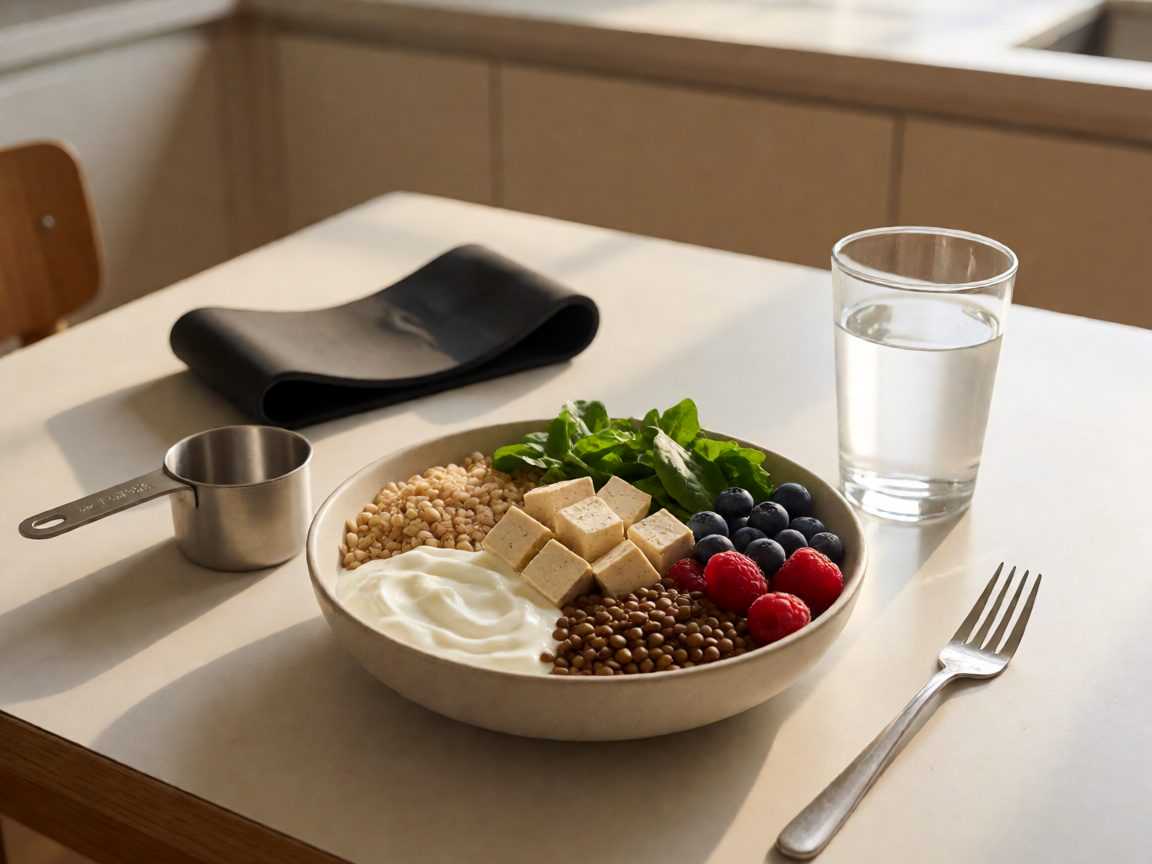
The best high-protein frozen meals for people on Ozempic are not one specific brand or flavor. They are the meals whose label, portion, texture, ingredients, and price fit your needs and that you can comfortably eat. Look for a recognizable protein source, a useful amount of protein per labeled serving, vegetables or another fiber-containing food when tolerated, and a sodium and saturated-fat profile that fits your overall eating pattern.
Frozen meals can be convenient when appetite, time, or cooking energy is limited. They are one tool, not a medical requirement. Compare labels, start with a modest serving, eat slowly, and keep a simple alternative available. If Ozempic has changed your appetite or digestion, ask your clinician or a registered dietitian for individualized guidance.
Quick answer: how should you compare high-protein frozen meals?
Use five questions: What is the actual protein source? Is the serving size realistic for you? Does the meal include vegetables, beans, or a whole grain? Will the texture and richness feel comfortable? Can you afford to keep it in rotation? A chicken-and-rice bowl, bean-based entrée, fish meal, tofu dish, or plain frozen vegetables paired with a separate protein can all work. The strongest choice is the one that meets your needs without requiring you to finish a portion that feels too large.
- Protein clarity: Look for eggs, poultry, fish, beans, lentils, tofu, tempeh, or dairy rather than relying only on a marketing phrase.
- Serving awareness: Check whether the package contains one serving and whether the listed serving matches what you normally eat.
- Balance: Notice vegetables, beans, fruit, potatoes, rice, or whole grains alongside the protein.
- Tolerance: Consider spice, creaminess, large pieces, and fat if those features bother your stomach.
- Practicality: Compare price, freezer space, preparation time, and whether you will actually enjoy the meal.
For broader context, visit the GLP-1 nutrition hub. The WeightMuse tools and trackers can help you record meals, symptoms, cost, and the foods that work best for you.
What Ozempic changes about the comparison
Ozempic is a prescription medicine, and individual experiences vary. The FDA prescribing information describes gastrointestinal adverse reactions and includes safety information that is important when appetite, food intake, or fluid intake changes. A frozen meal is not a treatment for side effects, and a “high-protein” label does not make a product automatically appropriate for every person.
Choose a meal that leaves room for flexibility. If you feel full before finishing, you can refrigerate the safe remainder according to food-safety guidance. If a rich sauce, strong seasoning, or large portion feels uncomfortable, select a simpler meal or pair part of the frozen entrée with a small side. The goal is practical nourishment, not a contest with the package.
Five label checks for high-protein frozen meals
1. Identify the protein source
Scan the ingredient list, not only the front of the package. A meal might use chicken, fish, eggs, cheese, beans, lentils, tofu, or a combination. Plant-based meals can be useful, especially when they include beans, lentils, soy, or another substantial protein food. If the protein is mainly a sauce or a small garnish, the product may not feel as satisfying as the label suggests.
2. Read the serving size carefully
Nutrition information is tied to the labeled serving. Check whether the container is intended as one serving or more than one. If you normally eat only part of it, the package can become two smaller meals when stored safely. If the serving feels too small, add a low-effort side such as yogurt, fruit, soup, or vegetables rather than automatically choosing a richer entrée.
3. Look beyond protein
Protein is one part of a meal. Check for vegetables, beans, whole grains, fruit, or potatoes, and consider how the meal fits the rest of your day. Notice sodium, saturated fat, and added sugar on the Nutrition Facts label. A single convenience meal does not define your diet, but repeated choices can shape your overall pattern.
4. Consider texture and richness
Some frozen meals are creamy, spicy, fried, or heavily seasoned. Others are soft bowls, soups, or simple grain-and-protein combinations. If your appetite is unpredictable, start with a texture you usually tolerate. You can add a mild sauce or herbs later, but it is harder to make a very rich meal feel lighter after it is prepared.
5. Match the meal to your day
A quick lunch at work, a post-exercise dinner, and a low-appetite evening may call for different portions and sides. A simple chicken bowl may pair with cooked vegetables. A bean entrée may need a smaller side of yogurt or fruit. A soup may need toast or an egg if you want more substance. Think in combinations, not rankings.
How to build a better frozen-meal plate
Use the frozen meal as a base and adjust it gently. Add frozen vegetables if the entrée has little produce. Add fruit or yogurt when you want a cool, easy side. Use a smaller bowl if the package portion looks overwhelming. If the meal is mostly pasta, rice, or potatoes, add a separate protein food you tolerate, such as an egg, tofu, beans, fish, or cottage cheese.
There is no need to add several extras at once. Make one change, notice how the meal feels, and keep the combination that is both practical and comfortable. If you are watching spending, compare the price of the frozen entrée with a simple home combination of frozen vegetables, rice, eggs, beans, or canned fish. Convenience is a valid reason to buy a product, but it is useful to know what you are paying for.
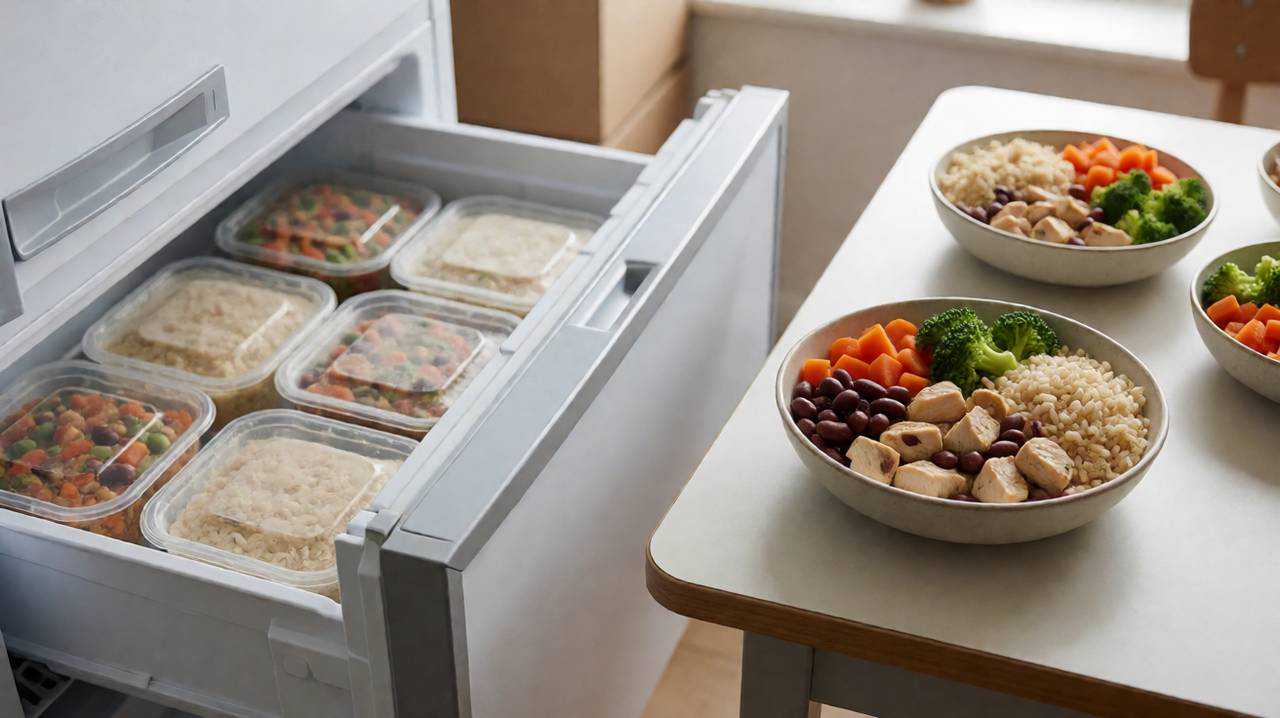
Meal categories worth comparing
Chicken, turkey, or fish bowls
These may include rice, potatoes, pasta, vegetables, or a sauce. Look for a clear protein portion and a preparation that is not excessively rich for your preferences. If the meal is very saucy, use part of the sauce or pair it with plain vegetables when that feels better.
Bean, lentil, or soy-based entrées
Chili, lentil bowls, bean burritos, tofu dishes, and other plant-based meals can be useful choices. Check the protein source, fiber-containing ingredients, and sodium. A smaller serving may be enough, especially if you add fruit or yogurt later. If beans or legumes cause digestive discomfort, use a smaller amount and discuss persistent symptoms with a healthcare professional.
Breakfast-style frozen meals
Egg-based bowls, vegetable omelets, or breakfast sandwiches can work beyond breakfast. Check the protein source and consider adding fruit. A breakfast sandwich may be easier to eat slowly when cut in half, with the second half saved safely for later.
Plain frozen components
A bag of frozen vegetables, cooked grains, or plain fish can provide more control than a complete entrée. Combine a small portion of two or three components and season them yourself. This approach can make it easier to adjust salt, sauce, texture, and portion without buying a premium “high-protein” product.
Budget and storage tips
Compare cost per usable meal, not just the package price. Store brands, sales, plain frozen vegetables, and bulk staples may lower the cost. Keep two or three reliable products available rather than filling the freezer with meals you have not tried. Check the use-by guidance and freezer instructions, and follow the package cooking directions.
After heating, portion leftovers promptly into a suitable container if you do not plan to eat them immediately. Refrigerate or freeze them according to food-safety guidance. Do not repeatedly reheat the entire package if you expect to eat only part. Small containers make it easier to see what is available and reduce the pressure to finish everything.
For a broader shopping framework, see our Zepbound grocery-list example. It can help you compare frozen meals with pantry proteins and produce instead of treating a package claim as the only decision.
When a frozen meal is not the right fit
A frozen entrée may not work when the texture, smell, sodium, price, or portion repeatedly causes problems. That is useful information, not a failure. Try a small homemade bowl, soup, yogurt with fruit, eggs with toast, or tofu with rice. If eating becomes persistently difficult, or if symptoms concern you, ask your healthcare team for individualized support.
The National Institute on Aging recommends planning ahead, choosing a variety of foods, including nutrient-dense protein foods, and drinking water throughout the day. Those broad ideas can be applied to frozen meals, but they do not replace a personalized plan. Your medical conditions, allergies, diabetes treatment, activity, and food preferences matter.
For more practical meal preparation, see our GLP-1 menopause meal-prep guide and vegetarian semaglutide snack guide. They offer adaptable ideas for adding protein, produce, and convenient options without endorsing a particular product.
FAQ
What makes a frozen meal high in protein?
The Nutrition Facts label shows the protein amount per labeled serving, while the ingredient list shows where that protein comes from. Compare both. A meal may use chicken, fish, eggs, dairy, beans, lentils, tofu, or a blend. The phrase “high protein” on the front of a box is not enough to tell you whether the serving fits your needs.
Should I choose the highest protein number?
Not necessarily. Consider the full label, serving size, sodium, saturated fat, produce, price, texture, and how you feel after eating it. A slightly lower-protein meal you can tolerate and combine with fruit or vegetables may be more useful than a richer product you avoid.
Can I eat frozen meals every day on Ozempic?
A frozen meal can fit into a varied eating pattern, but no single category needs to supply every meal. Rotate proteins, vegetables, fruits, grains, and easy home-prepared foods. If you rely heavily on convenience meals because appetite or symptoms make cooking difficult, discuss your intake with a clinician or dietitian.
What if I cannot finish the package?
Pause when comfortably satisfied. If the food can be stored safely, refrigerate or freeze the remainder following package and local food-safety guidance. A smaller portion with a simple side may be a better routine than forcing the full package.
When should I ask for medical help?
Contact your healthcare professional for persistent or severe gastrointestinal symptoms, difficulty keeping fluids down, signs of dehydration, or concerns that you cannot maintain adequate nutrition. Severe abdominal pain that does not go away warrants prompt medical attention. If you have diabetes or use other glucose-lowering medicines, ask your clinician how your overall treatment plan affects food choices. The FDA Ozempic information and your prescription materials provide official safety details.
Health boundaries
This article is general nutrition education. It does not diagnose symptoms, set a protein target, recommend an Ozempic dose, or tell you to start, stop, or change medication. Use the National Institute on Aging meal-planning guidance for broad ideas about variety, protein foods, produce, label reading, hydration, and planning ahead. Personalize choices with a qualified professional when you have medical conditions, allergies, persistent side effects, or difficulty meeting your nutrition needs.
The best frozen meal is the one whose label you understand, whose portion you can approach comfortably, and whose cost and ingredients fit your real life. Compare thoughtfully, keep alternatives ready, and let your response guide the next choice.