The best protein bars for people on semaglutide are not defined by a single brand or a front-of-package claim. A useful bar has a protein source you recognize, a serving size you can tolerate, an ingredient list that fits your preferences, and a texture and sweetness level that make it easy to eat. It should also fit your budget and complement, rather than replace, a varied eating pattern.
Protein bars can be convenient when appetite is unpredictable, cooking is difficult, or you need a portable option. They are not required for everyone taking semaglutide. Compare labels carefully, start with a modest portion, and keep ordinary foods such as yogurt, eggs, beans, tofu, fruit, or nuts available as alternatives.
Quick answer: what should you look for in a protein bar?
Start with five checks: protein amount per labeled serving, the first few ingredients, fiber and added sugar, sweetness and fat that you tolerate, and price per use. Choose a bar with a protein ingredient such as milk, soy, egg, nuts, seeds, or legumes when that fits your diet. If the bar feels dense, sticky, or overly sweet, split it into two eating occasions or choose a softer food instead.
- Protein source: look for a clear ingredient rather than relying only on words such as “performance” or “high protein.”
- Serving size: read whether the package contains one bar or more than one labeled serving.
- Digestive fit: consider fiber additives, sugar alcohols, nuts, dairy, and rich coatings if these have bothered you before.
- Overall label: review added sugar, saturated fat, sodium, and calories in the context of the rest of your day.
- Practical fit: choose a flavor, texture, price, and package size you will actually use.
For broader guidance, visit the GLP-1 nutrition hub. You can also use the WeightMuse tools and trackers to record how a bar feels, how long it keeps, and whether a less processed alternative works better.
Why semaglutide users may compare bars differently
Semaglutide medicines can affect appetite and gastrointestinal comfort, but responses vary. The FDA information for semaglutide products includes gastrointestinal adverse reactions and safety warnings that matter when food or fluid intake changes. A protein bar cannot prevent or treat a medication side effect, and a high-protein label does not make a bar appropriate for every person.
For some people, a compact bar is useful because it provides a portable food option. For others, a dense bar, concentrated sweetener, large amount of added fiber, or heavy coating can feel unpleasant. Try one product at a time, eat slowly, and pay attention to texture and comfort. If you repeatedly struggle to eat or drink enough, ask your healthcare professional for guidance rather than relying on increasingly concentrated snacks.
Six label checks for the best protein bars for people on semaglutide
1. Read the protein ingredient list
Protein may come from whey, milk, casein, soy, peas, eggs, nuts, seeds, or blended sources. The best option depends on allergies, dietary pattern, and tolerance. If you avoid dairy, look for a plant-based bar that uses a protein source you already eat comfortably. If you have a nut allergy, check both the ingredient list and the facility statement.
2. Check the serving size before comparing products
Compare like with like. A larger bar may list more protein simply because it weighs more. Review the labeled serving and decide whether you normally need the entire bar at once. A smaller portion may be enough for a snack, while a bar paired with fruit or yogurt may function as a more complete small meal.
3. Notice fiber and sweeteners
Some bars contain added fibers or sugar alcohols. These ingredients are not automatically bad, but they can affect people differently. If bloating, cramping, diarrhea, or constipation is a concern, choose a simpler product with fewer concentrated additives and increase fiber-containing foods gradually. Persistent digestive symptoms deserve medical advice.
4. Review added sugar, saturated fat, and sodium
Read the Nutrition Facts label rather than assuming that protein makes the rest of the label unimportant. A bar can be part of a balanced routine even if it is not perfect, but frequent choices should fit your overall pattern. If you have diabetes, kidney disease, high blood pressure, or another condition affected by diet, ask your clinician or dietitian how to interpret the label for you.
5. Test texture and sweetness
Bars range from soft and cake-like to chewy, crunchy, or coating-heavy. Keep one softer option available if dense foods are hard to eat. If a bar is very sweet, pair a half portion with plain yogurt, fruit, or water rather than forcing the entire bar. Taste and texture are legitimate selection criteria because they determine whether the product becomes useful or wasted.
6. Compare cost per use
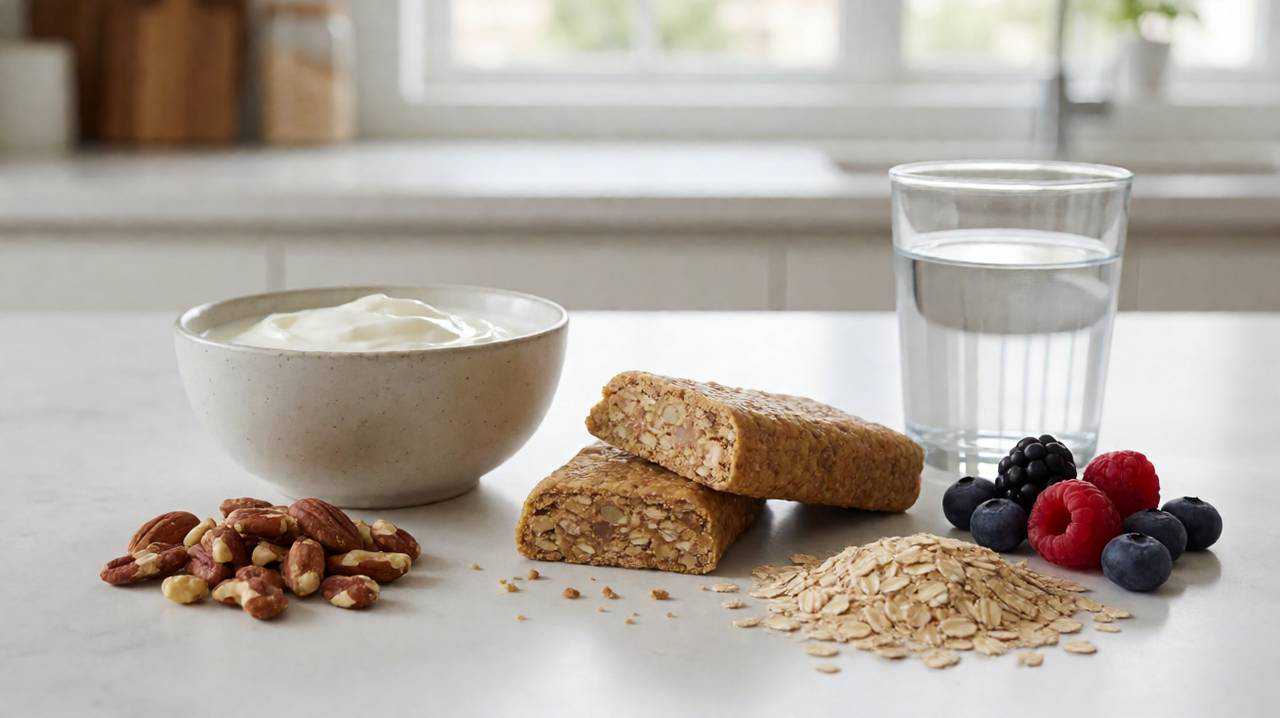
Calculate the price per bar and compare it with foods such as Greek yogurt, eggs, cottage cheese, tofu, beans, or a simple homemade oat-and-nut snack. Convenience may justify a higher price on busy days. On other days, ordinary foods may provide more variety and a better value. Avoid buying a large box until you know the flavor and texture work for you.
How to use a protein bar in a balanced routine
Think of a bar as one component. Pair it with fruit, yogurt, milk, fortified soy beverage, or water according to your appetite and needs. If the bar is mainly protein and sweetener, adding produce can make the eating occasion more varied. If the bar already feels heavy, use a smaller portion and save the rest according to package and food-safety guidance.
A bar can be an emergency option in a desk drawer, gym bag, or travel bag. It does not need to become every breakfast or every dinner. Rotate with eggs on toast, yogurt with berries and oats, tofu with rice, lentil soup, beans with a small tortilla, or cottage cheese with fruit. Variety supports flexibility when one food suddenly feels unappealing.
Alternatives when a bar does not work
Simple dairy or fortified soy options
Plain Greek yogurt, cottage cheese, or fortified soy yogurt can be easier to portion with a spoon. Add fruit or oats if tolerated. Choose unsweetened or lightly sweetened versions when that fits your preferences, and check labels for allergies and added ingredients.
Eggs and toast
A soft egg with toast can be quick and inexpensive. Cut the toast into small pieces, add cooked spinach or another vegetable if comfortable, and stop when satisfied. The texture can be adjusted more easily than a dense packaged bar.
Beans, tofu, or lentils
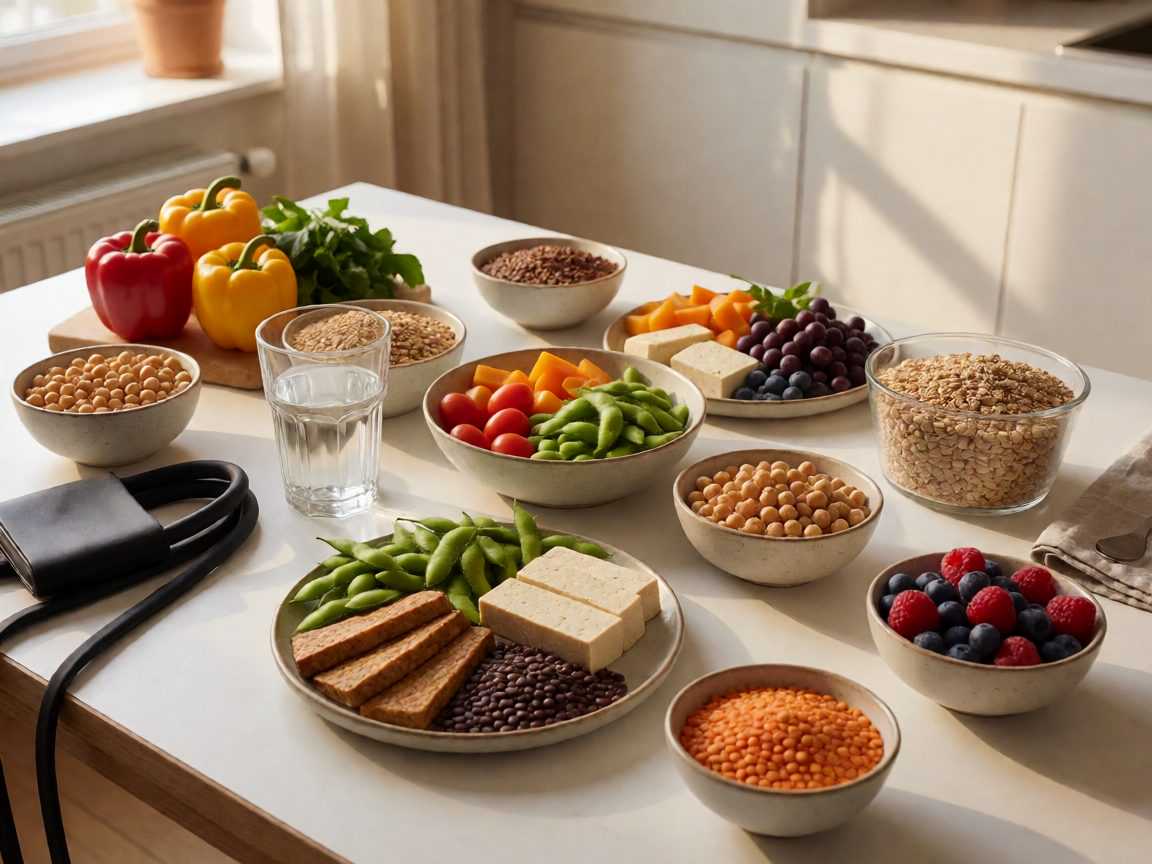
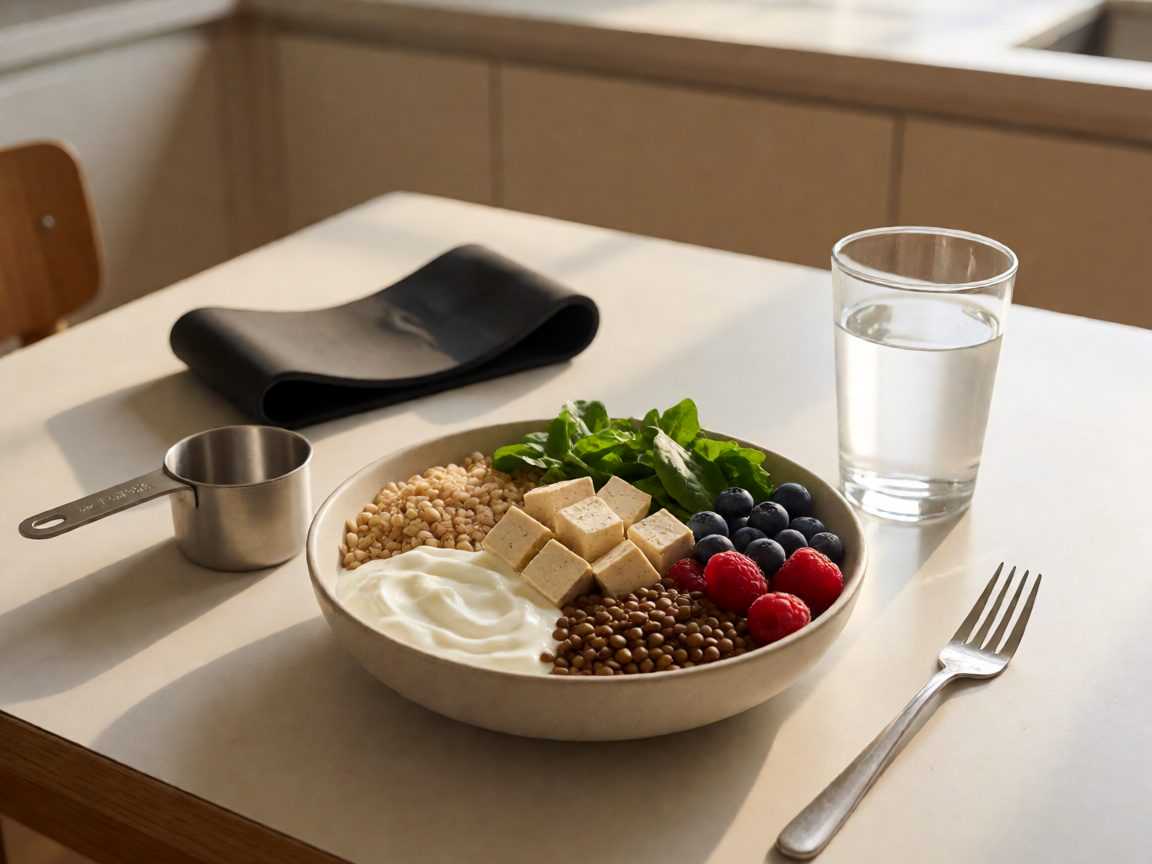
Beans, tofu, and lentils can support a plant-based pattern and can be used in small bowls, soups, or wraps. Start with a portion you tolerate and increase variety gradually if digestive symptoms are an issue. Use herbs, broth, or salsa for flavor without requiring a rich sauce.
Nuts and seeds with fruit
A small serving of nuts or seeds with fruit can be portable and simple, but it may be energy-dense and unsuitable for people with allergies. A small packet and a piece of fruit may be easier to portion than eating directly from a large container.
Storage and travel tips
Keep bars in a cool, dry place and follow the package storage information. Heat can change texture and coatings. For dairy or homemade alternatives, use an insulated bag and follow food-safety guidance. Pack water and a second option in case the first bar tastes too sweet or feels uncomfortable.
When shopping, buy one or two trial flavors instead of a large variety pack. Keep the nutrition label or photograph it so you can compare products later. A short note about flavor, texture, comfort, price, and portion is usually enough. Do not use a tracking note to create a rigid calorie rule.
For a practical grocery framework, see our GLP-1 grocery-list example. For more meal-prep ideas, visit the GLP-1 menopause meal-prep guide and vegetarian semaglutide snack guide.
FAQ
Are protein bars required when taking semaglutide?
No. They are a convenience option. Yogurt, eggs, beans, tofu, fish, chicken, cottage cheese, nuts, or another tolerated food can provide protein. Choose the option that fits your medical needs, appetite, budget, and routine.
Is a bar with more protein always better?
No. Compare protein with the full label, serving size, ingredients, texture, price, and tolerance. A bar that is too dense, overly sweet, or difficult to digest may be less useful than a simpler option with a different protein source.
What if protein bars cause stomach discomfort?
Stop using the product that causes a repeated problem and look at ingredients such as added fibers, sugar alcohols, nuts, dairy, coatings, or very large portions. Try a simpler food if appropriate. Persistent pain, vomiting, diarrhea, constipation, or difficulty keeping fluids down should be discussed with a healthcare professional.
Can I use a protein bar as a meal replacement?
Some products are formulated for that purpose, but the label does not make a product right for every person. Consider whether it provides enough variety for your needs and whether you can tolerate it. Ask a dietitian or clinician for individualized advice if bars are replacing many meals.
When should I ask for medical help?
Contact your healthcare professional for persistent or severe gastrointestinal symptoms, difficulty keeping fluids down, signs of dehydration, or concerns that you cannot maintain adequate nutrition. Severe abdominal pain that does not go away warrants prompt medical attention. If you have diabetes or take other glucose-lowering medicines, ask your clinician how food choices fit your treatment plan. The FDA semaglutide information and your prescription materials provide official safety details.
Health boundaries
This article is general nutrition education. It does not diagnose symptoms, set a protein target, recommend a semaglutide dose, or tell you to start, stop, or change medication. The National Institute on Aging meal-planning guidance supports variety, nutrient-dense protein foods, produce, label reading, planning ahead, and hydration. Personalize those broad ideas with a qualified professional when you have medical conditions, allergies, persistent side effects, or difficulty meeting your nutrition needs.
The best protein bar is the one whose label you understand, whose ingredients you tolerate, and whose portion and price fit your real life. Test thoughtfully, keep whole-food alternatives available, and let comfort guide the next choice.