Reaching a weight-loss goal is not the end of the process. Maintenance is a new phase with different priorities: repeatable meals, realistic activity, regular monitoring, and a plan for busy or stressful weeks. Small changes are normal; the goal is to respond early without panic or extreme restriction.
Keep the habits that helped you lose weight
Choose two or three behaviors that are easy to repeat, such as a protein-centered breakfast, planned lunches, regular walking, or a consistent grocery routine. Maintenance works better when it is based on habits rather than constant motivation.
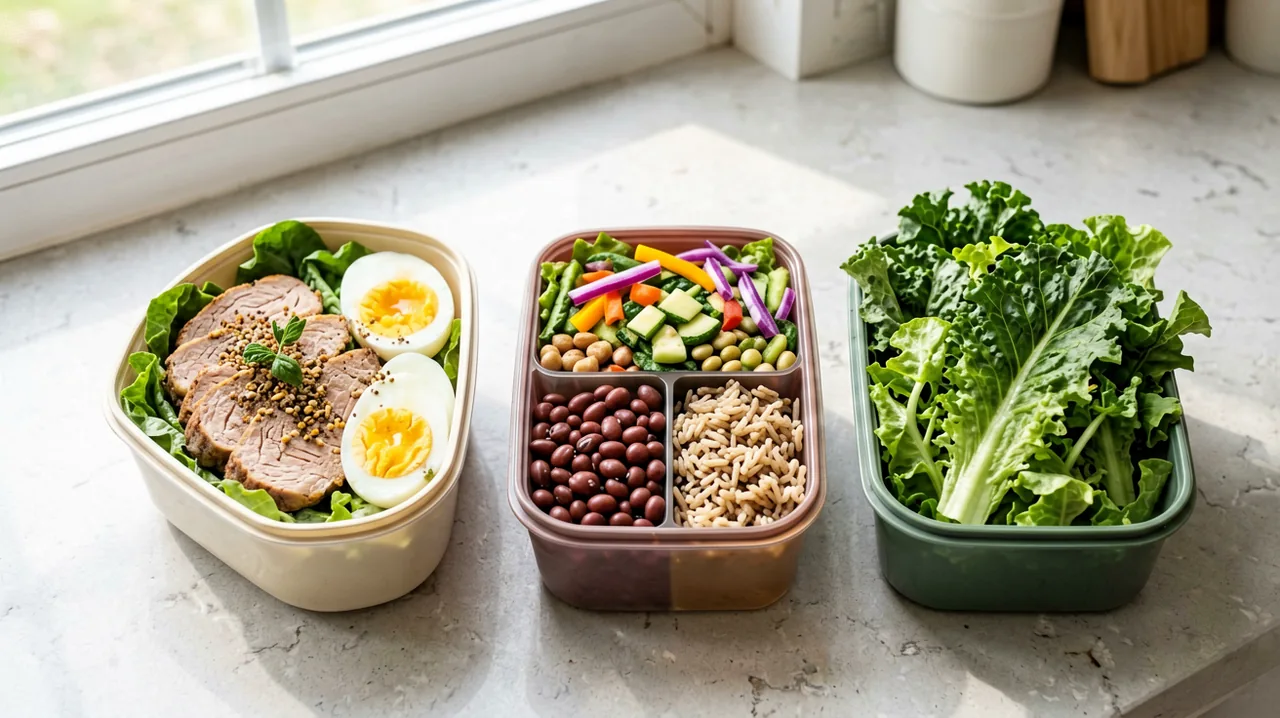
Build meals around protein and produce
Use a simple plate structure: a protein source, vegetables or fruit, and a portion of grains, beans, potatoes, or another carbohydrate that fits your needs. Add fats for flavor and satisfaction. The exact balance should reflect your preferences, health, and activity.
Monitor trends, not single days
Body weight changes with hydration, sodium, digestion, hormones, and activity. If you choose to monitor weight, look at a weekly trend rather than reacting to one reading. You can also track waist measurements, energy, strength, clothing fit, or meal consistency.
Have a recovery plan
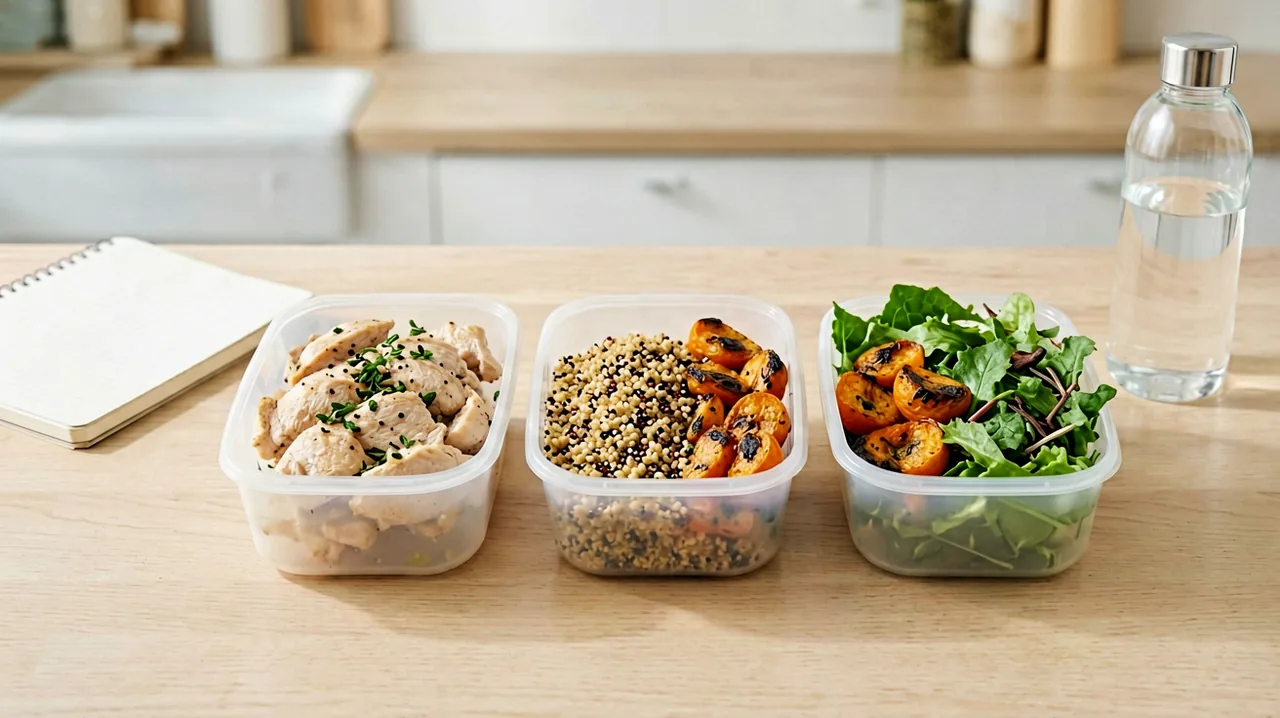
When routines slip, return to your normal breakfast, grocery list, walking schedule, and bedtime routine at the next opportunity. Avoid skipping meals or using very restrictive plans to compensate. A calm reset is more sustainable than an all-or-nothing response.
When to seek support
Talk with a clinician or registered dietitian if weight changes are rapid, accompanied by symptoms, or connected to medication changes. People using prescription weight-management medication should not stop or adjust it without guidance.
Create a maintenance routine
Maintenance becomes easier when the same small review happens each week. Look at your grocery plan, activity, sleep, meal regularity, and any changes in appetite or energy. The purpose is not to judge the week. It is to notice which part of the routine needs support before a small disruption becomes a larger problem.
Plan for normal weight variation
Even after weight stabilizes, day-to-day changes are expected. Sodium, hydration, digestion, menstrual cycles, travel, and strength training can all affect the scale. If you monitor weight, choose a consistent method and focus on a trend over several weeks. Set a personal signal for action, such as reviewing portions or routines when a trend persists, rather than reacting to one reading.
Protect the environment around your habits
Keep easy protein foods, fruit, vegetables, and planned snacks available. Decide in advance what you will eat on busy mornings or during late workdays. At restaurants, look for a protein source, a vegetable or fruit, and a portion that feels comfortable. You can enjoy desserts, social meals, and travel without treating them as failures.
Support maintenance with activity and recovery
Walking, resistance training, recreational activity, and regular movement can support health and help preserve strength. Sleep and stress management also influence appetite and food choices. Choose activities you can continue, and increase them gradually if needed. A clinician can help adapt activity for pain, chronic disease, or mobility limitations.
Review medication changes with a professional
Weight can change after starting, stopping, or adjusting medications. Do not make medication decisions based on a scale trend or an online plan. Share relevant changes with your prescribing clinician, especially if appetite, digestion, mood, or energy changes at the same time.
Bottom line: Weight maintenance is an ongoing skill. Keep the plan simple, monitor trends, and adjust gradually.