Feeling full on fewer calories is not just about willpower. Fullness is influenced by meal size, protein, fiber, fluid, eating speed, sleep, stress, food preferences, and individual health factors. A practical plan combines several of these levers instead of relying on one “secret” food.
1. Start meals with a protein anchor
Protein-rich foods include eggs, fish, poultry, Greek yogurt, cottage cheese, tofu, tempeh, beans, and lentils. Add one of these to each main meal when possible. The right amount depends on your age, body size, activity, health conditions, and goals.
2. Add fiber gradually
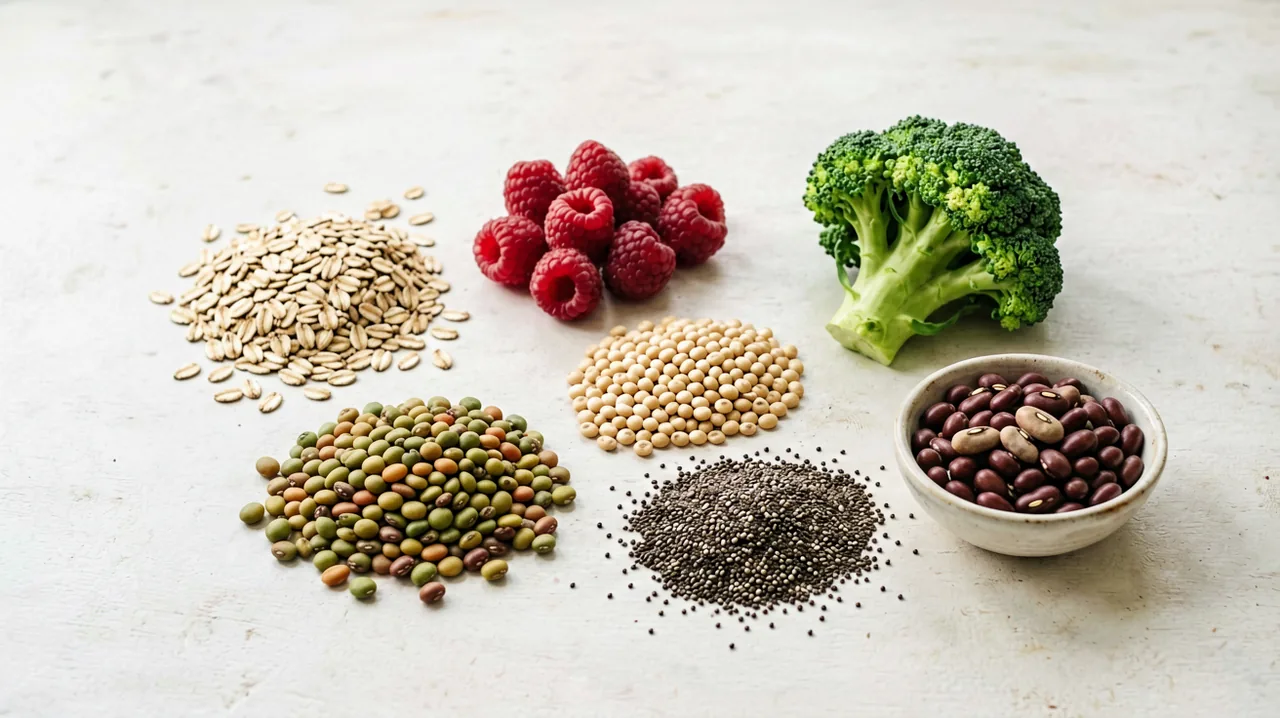
Vegetables, fruit, beans, lentils, oats, whole grains, nuts, seeds, and potatoes with the skin can add fiber and texture. Increase fiber slowly and drink fluids regularly. A sudden large increase can cause gas, bloating, or constipation.
3. Use food volume
Build meals around vegetables, fruit, broth-based soups, salads, and other foods that provide more physical volume for fewer calories. Add calorie-dense foods thoughtfully rather than removing them completely.
4. Slow down the eating environment
Eat from a plate or bowl, put away the package, and pause halfway through the meal. Eating without screens may help you notice taste and fullness cues. These habits are simple, but they reduce accidental overeating for some people.
5. Plan satisfying snacks
Good snack combinations pair protein with produce or fiber: yogurt and berries, an apple with peanut butter, hummus with vegetables, or edamame with fruit. If you are not hungry, you do not need to force a snack.
When hunger feels unusually strong
Persistent hunger may reflect inadequate food intake, poor sleep, stress, medication effects, or an underlying health issue. A clinician or registered dietitian can help identify the reason instead of simply recommending more restriction.
Think about fullness across the whole meal
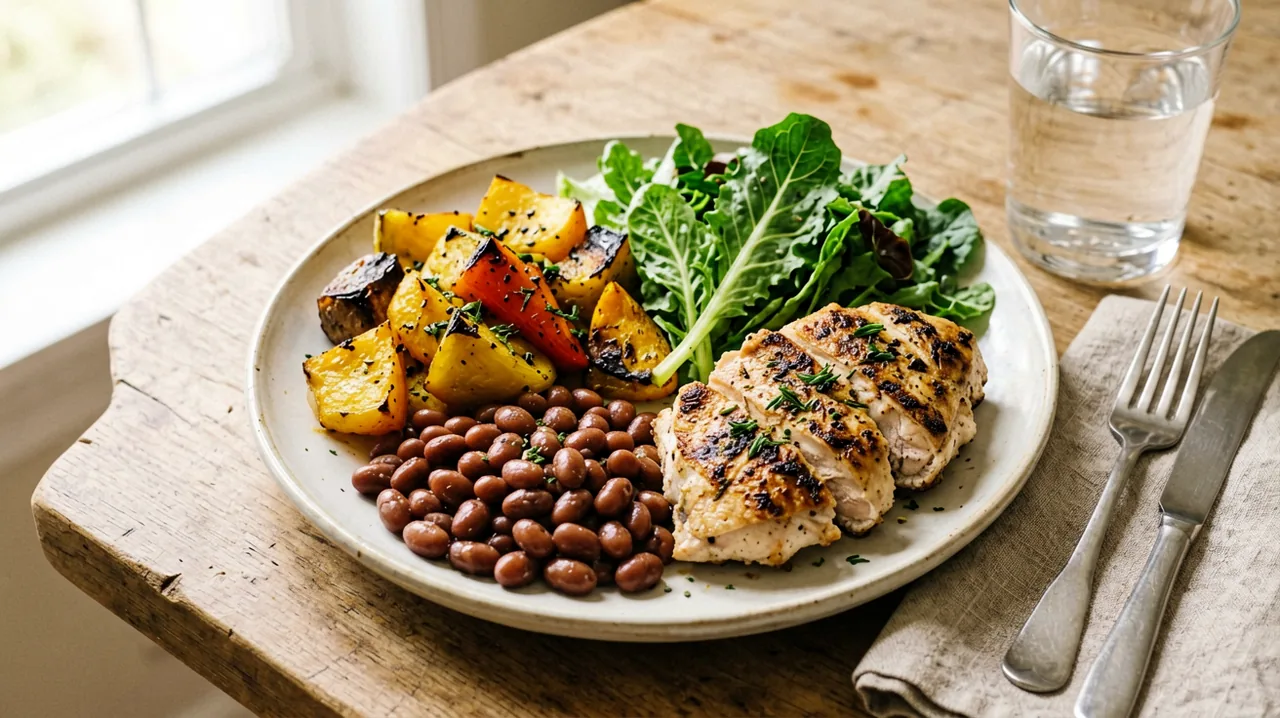
A meal built only around a small amount of protein may leave you looking for more food later. A more complete plate combines a protein anchor with high-volume produce, a fiber-rich carbohydrate, and enough flavor or fat to feel satisfying. For example, chicken with vegetables and potatoes, lentils with yogurt and greens, or tofu with rice and stir-fry vegetables can be more satisfying than any single ingredient alone.
Use liquids thoughtfully
Water and other appropriate fluids can support hydration, but liquid calories may be less filling for some people than foods that require chewing. Smoothies can still be useful when appetite is low or chewing is difficult; make them more satisfying by including protein, fruit, oats, or yogurt rather than only juice. If you have a fluid restriction or a condition affecting hydration, follow your clinician’s instructions.
Notice the difference between hunger and appetite
Hunger can be a physical need for food, while appetite can be influenced by stress, routine, smell, boredom, or medication. Neither signal is a moral judgment. Before eating, ask what would help: a meal, a drink, a short break, sleep, or a change of environment. This pause can improve awareness without requiring rigid tracking.
A simple fullness experiment
- Choose one usual meal and add a clear protein source.
- Add one fruit or vegetable that you enjoy.
- Eat at a slower pace and pause halfway through.
- Record how comfortable and satisfied you feel one to two hours later.
- Adjust the next meal based on your experience, not on a universal rule.
Repeat the experiment with different foods. Some people feel fuller with warm meals, while others prefer crunchy produce or smaller meals spaced through the day. Learning your own pattern is more practical than chasing a single “fullness food.”
Bottom line: Fullness improves when meals are structured around protein, fiber, volume, hydration, and a realistic pace of eating.