No-cook meals are useful when the kitchen is hot, time is short, or cooking feels like too much work. The easiest way to make them filling is to combine a convenient protein source with produce, fiber, and a portion of carbohydrate or healthy fat.
The no-cook meal formula
Start with a protein such as Greek yogurt, cottage cheese, canned tuna, canned salmon, beans, lentils, tofu, edamame, or ready-to-eat chicken. Add vegetables or fruit, then finish with a practical flavor booster such as salsa, herbs, lemon, or a small amount of dressing.
7 practical combinations
- Tuna, white beans, cucumber, tomatoes, and lemon dressing.
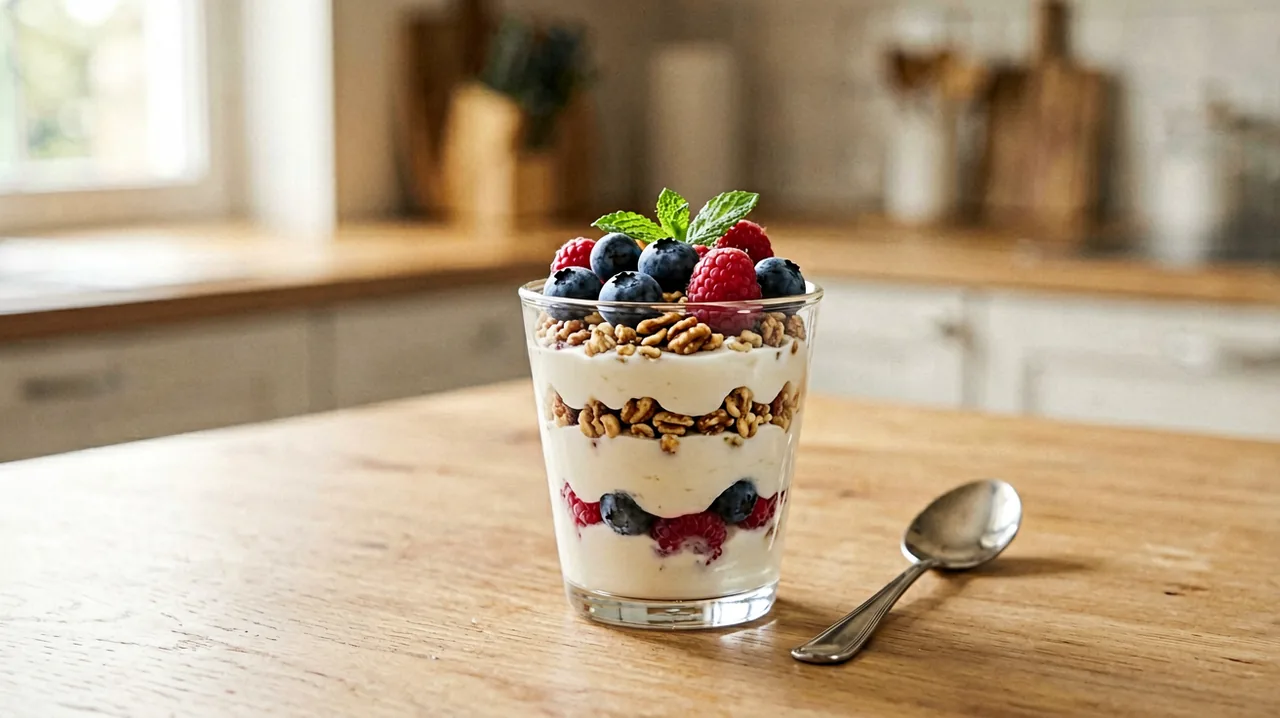
- Greek yogurt, oats, berries, and chia seeds.
- Tofu, edamame, shredded carrots, and a low-sodium sesame dressing.
- Cottage cheese, pear, cinnamon, and pumpkin seeds.
- Chickpeas, pre-washed greens, chopped peppers, and hummus.
- Smoked salmon, whole-grain crackers, cucumber, and cottage cheese.
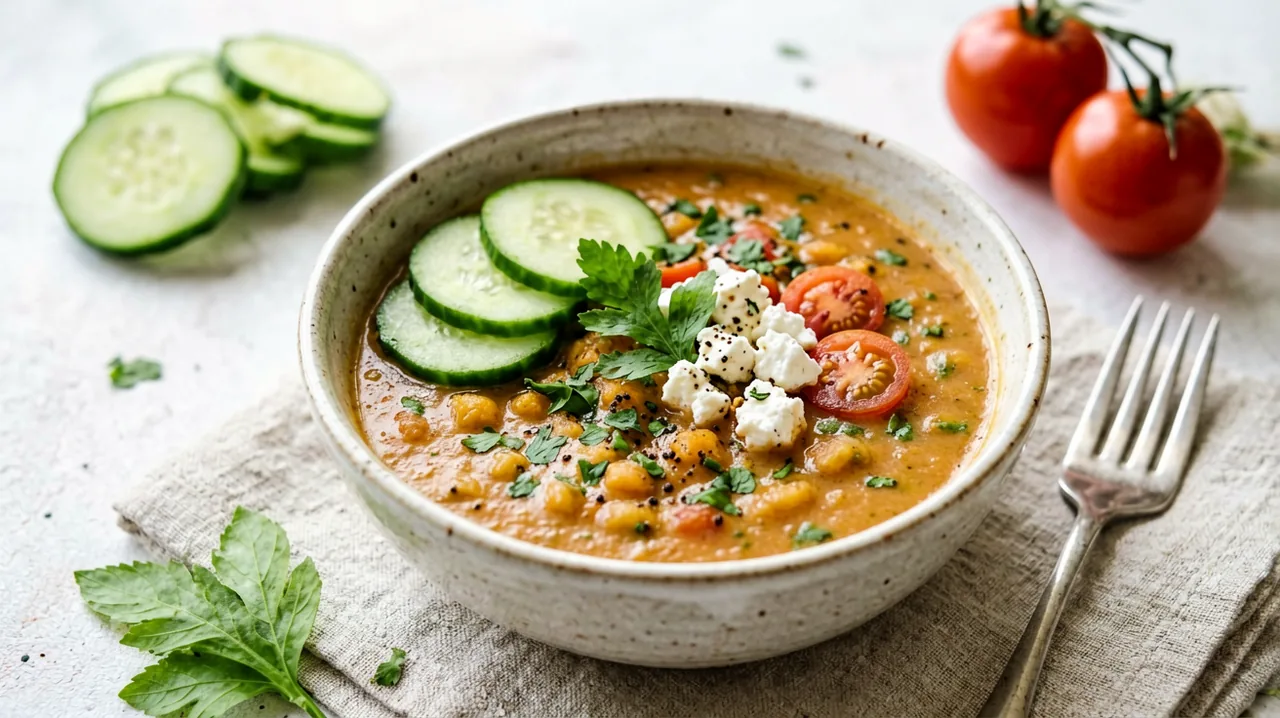
- Ready-to-eat lentil soup served chilled or at room temperature with yogurt and herbs.
How to keep the meal lower in calories
Use vegetables, fruit, beans, and broth-based foods to add volume. Measure calorie-dense additions such as oils, nuts, cheese, dressings, and spreads. Choose canned foods with less sodium when available and drain or rinse beans.
Food safety reminders
Keep refrigerated foods cold, follow package storage instructions, and do not leave perishable foods at room temperature for extended periods. Canned fish, dairy, tofu, and prepared meats should be handled according to the label.
Make no-cook meals easier
Keep two proteins, two vegetables, two fruits, and one whole-grain option available each week. This creates several combinations without requiring a recipe. Use small containers so leftovers remain visible and easy to portion.
Match no-cook meals to the time of day
For breakfast, combine yogurt or cottage cheese with fruit and oats, or pair eggs prepared in advance with ready-to-eat vegetables. For lunch, use canned fish, beans, tofu, or chicken with greens, chopped vegetables, and a whole-grain side. For dinner, build a bowl from lentils, edamame, pre-cooked grains, salad vegetables, and a measured dressing. The same ingredients can work across meals when sauces and seasonings change.
Use a flavor formula
When a no-cook meal tastes plain, add one acidic ingredient, one herb or spice, and one texture. Lemon juice, vinegar, salsa, or pickled vegetables provide acidity. Dill, parsley, pepper, garlic, or smoked paprika add flavor. Cucumber, toasted whole-grain crackers, seeds, or crisp vegetables add texture. These small additions can make a simple meal feel more complete without relying on a large amount of oil or cheese.
Keep a backup shelf
A reliable pantry might include canned beans, tuna or salmon, whole-grain crackers, oats, shelf-stable milk, and low-sodium soup. In the refrigerator, keep yogurt, cottage cheese, tofu, pre-washed greens, fruit, and prepared vegetables. Check dates regularly and rotate older items forward. A backup shelf is especially useful during travel, recovery from illness, or weeks when cooking is not realistic.
Adjust for appetite and tolerance
Start with a small serving and pause before deciding whether you need more. If a dry meal feels difficult, add yogurt sauce, hummus, broth, or a soft vegetable. If a high-fiber combination causes discomfort, reduce the portion and use a gentler option while you assess tolerance. People with swallowing concerns, food allergies, or medical restrictions should seek individualized guidance rather than relying on a general meal list.
Convenience does not mean a meal has to be nutritionally perfect. Repeating a simple combination that includes protein and some produce is often more helpful than skipping food because a full recipe is not available.
Bottom line: Convenience and nutrition can work together. A no-cook meal does not need to be perfect; it needs to be repeatable and balanced enough for your day.